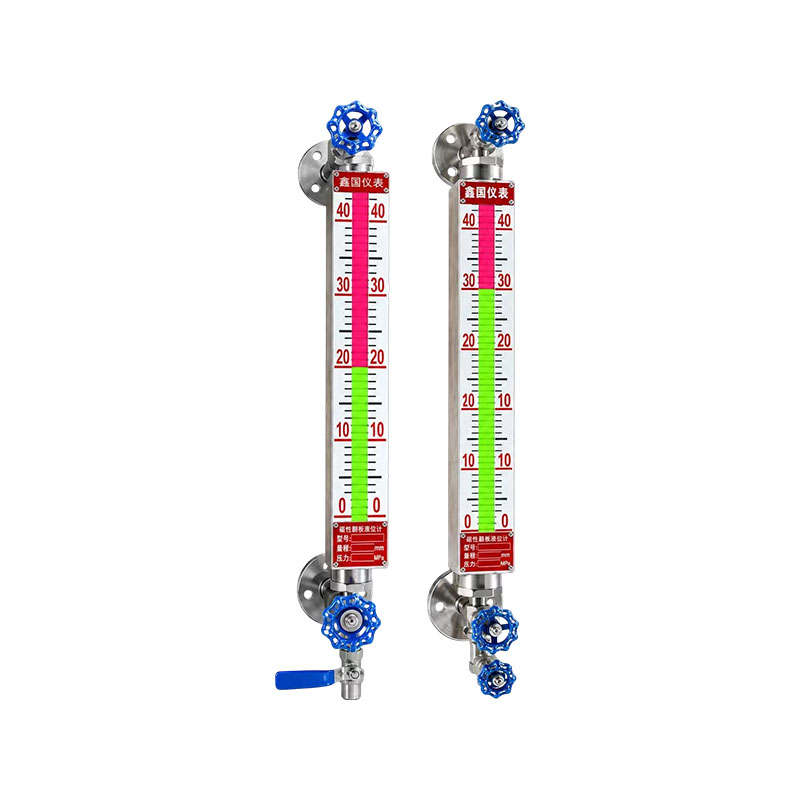
 UGS/UNS quartz tube level gauge
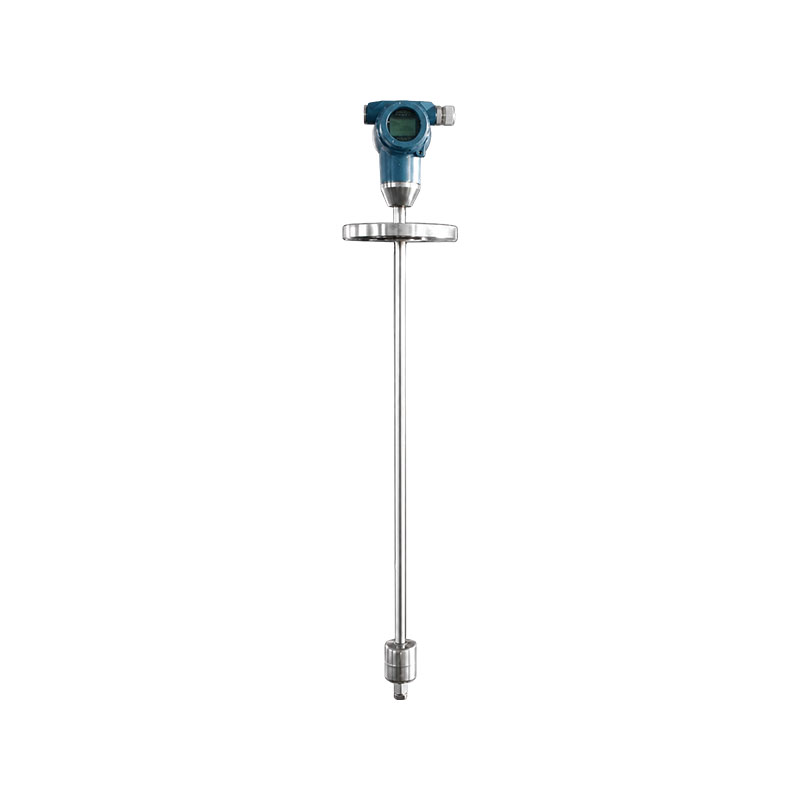 UZ-CZ type magnetostrictive liquid level gauge
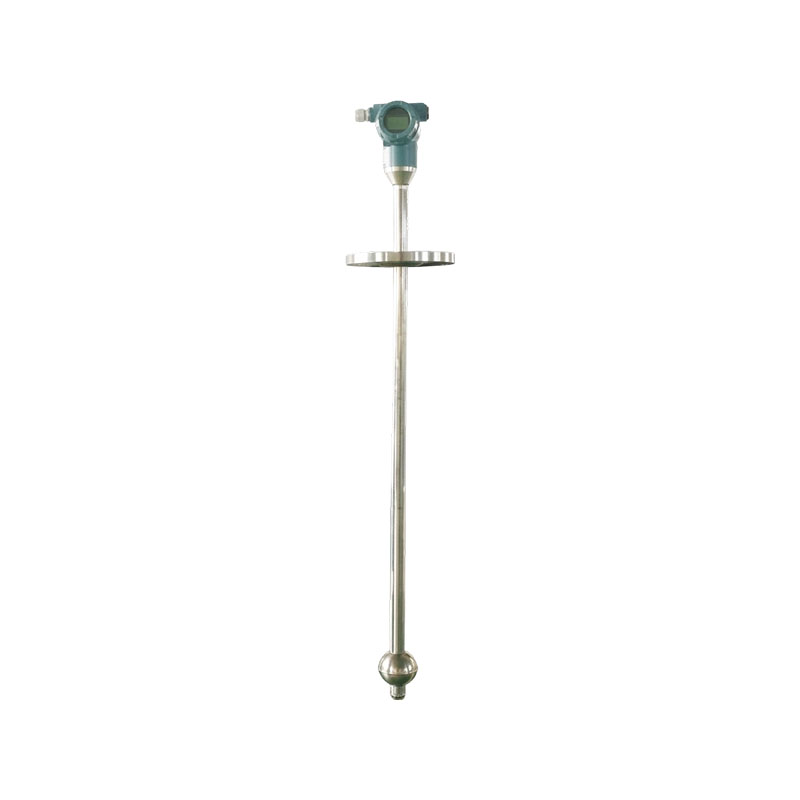 UQZ series magnetic levitation ball level gauge
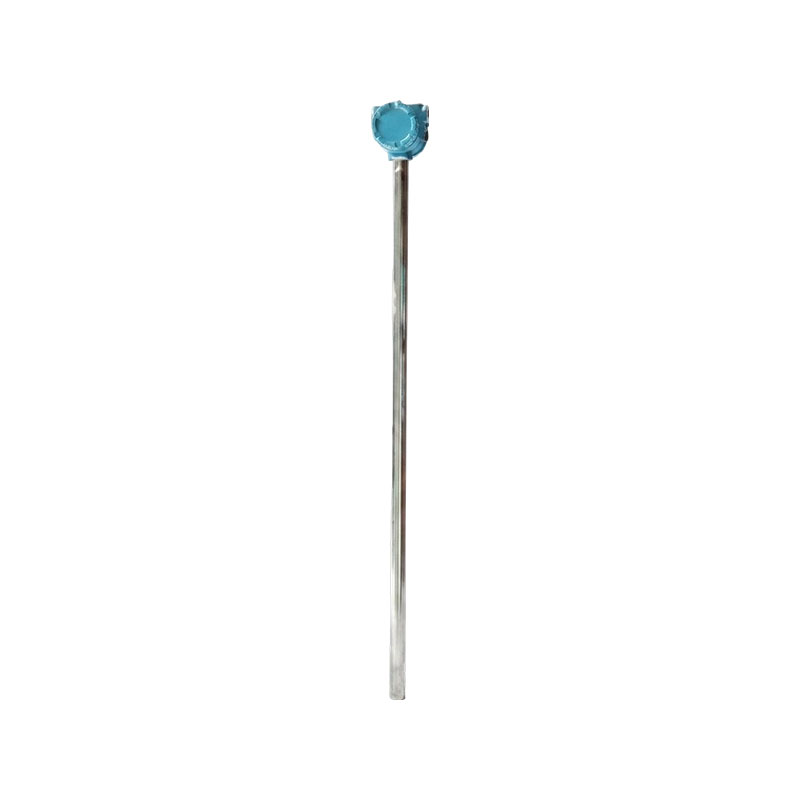 UQZ-08 Remote Transmitter
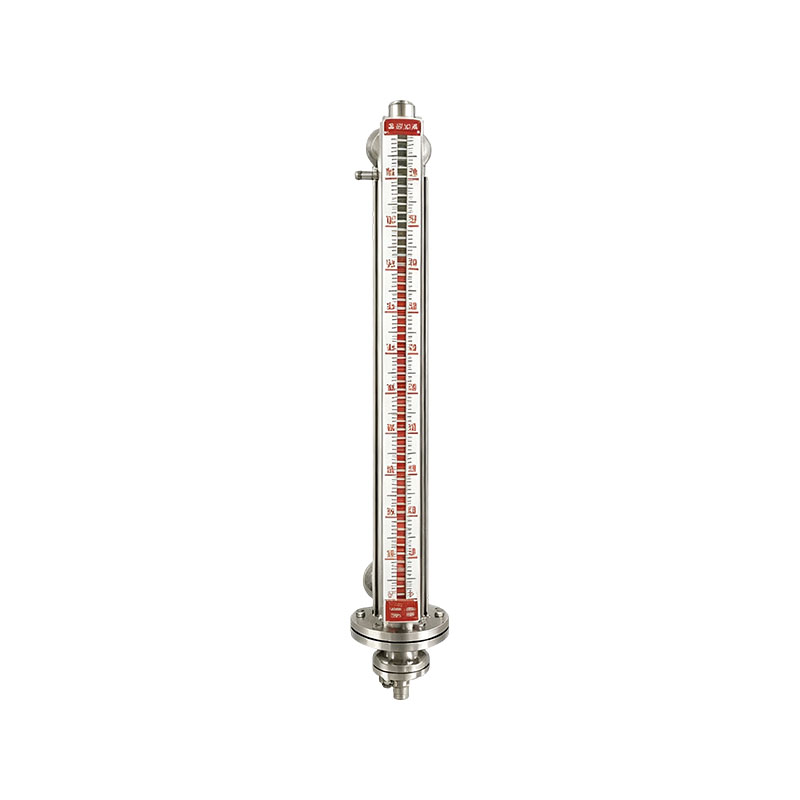 UZC-BF jacketed magnetic level gauge
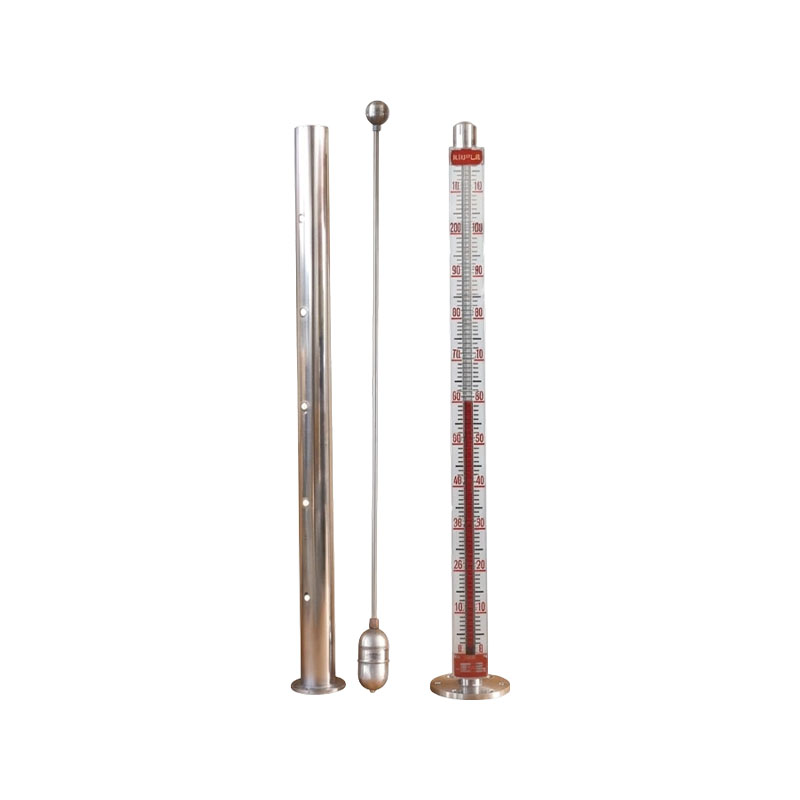 UZD-AF top mounted magnetic level gauge
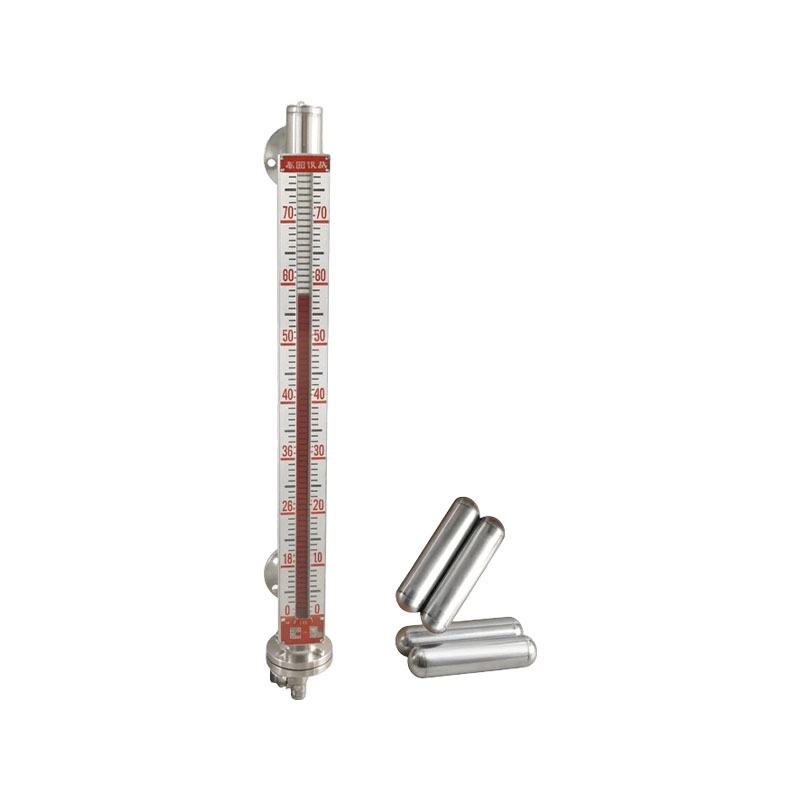 UZC-A04F Liquid Gas Magnetic Level Gauge
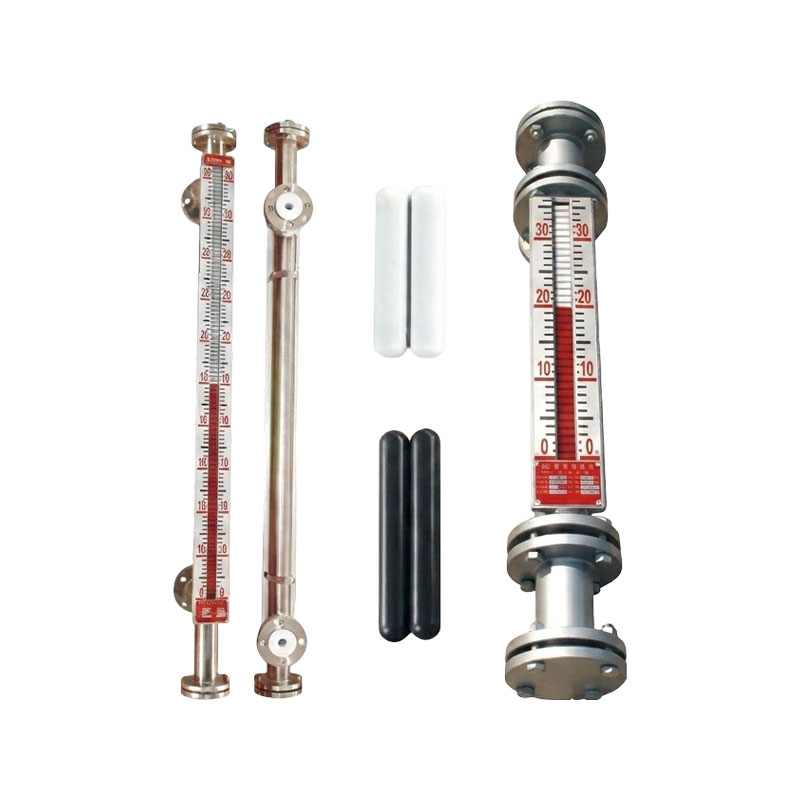 UZC-A03F anti-corrosion magnetic level gauge
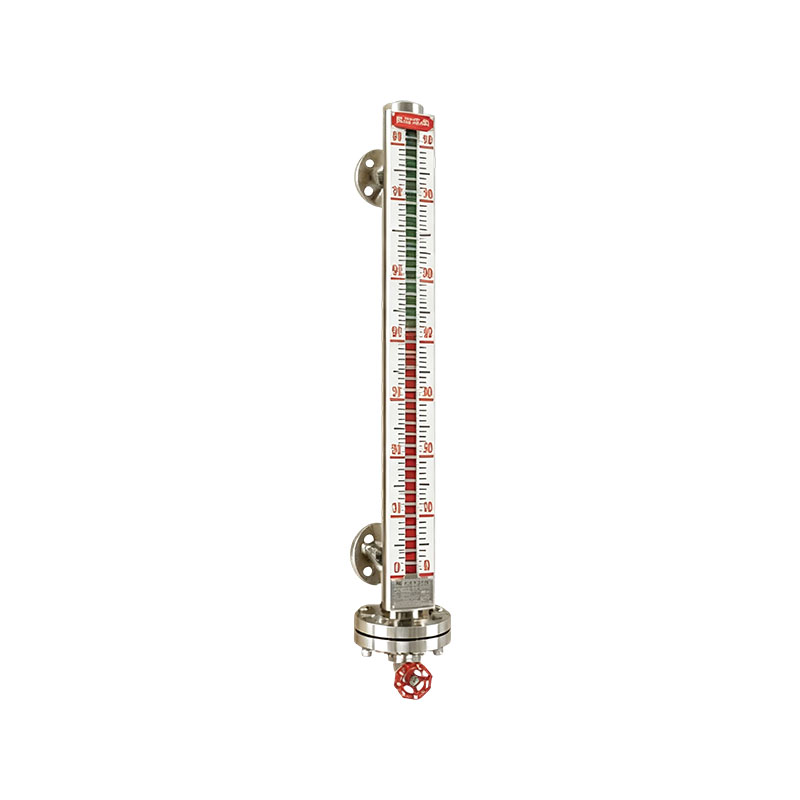 UZC-A02F High Temperature and High Pressure Magnetic Level Gauge
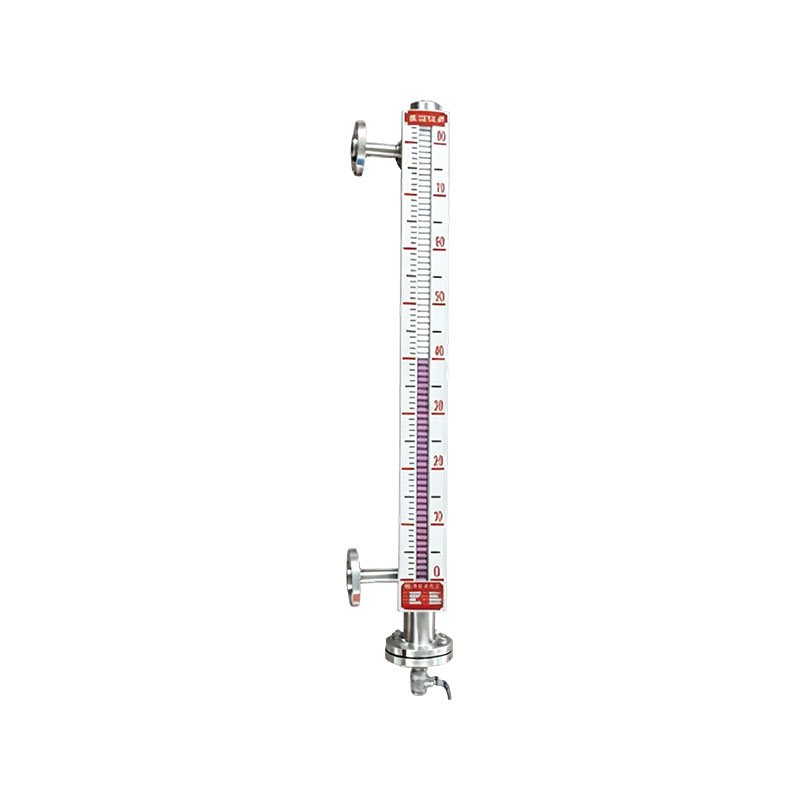 UZC-A01F High Temperature and Low Pressure Magnetic Liquid Level Gauge
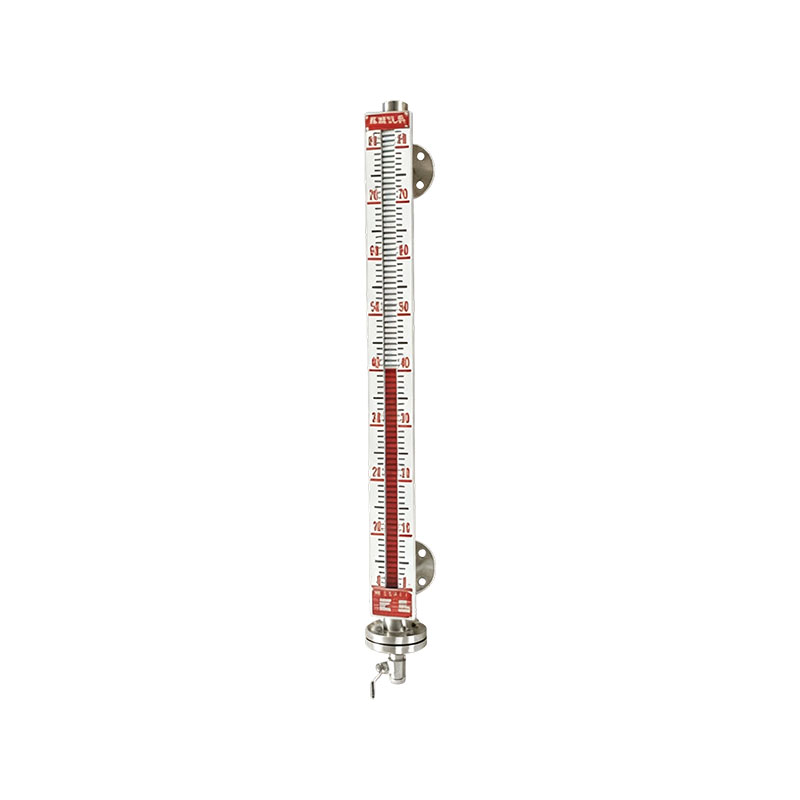 UZC-AF Basic Magnetic Level Gauge
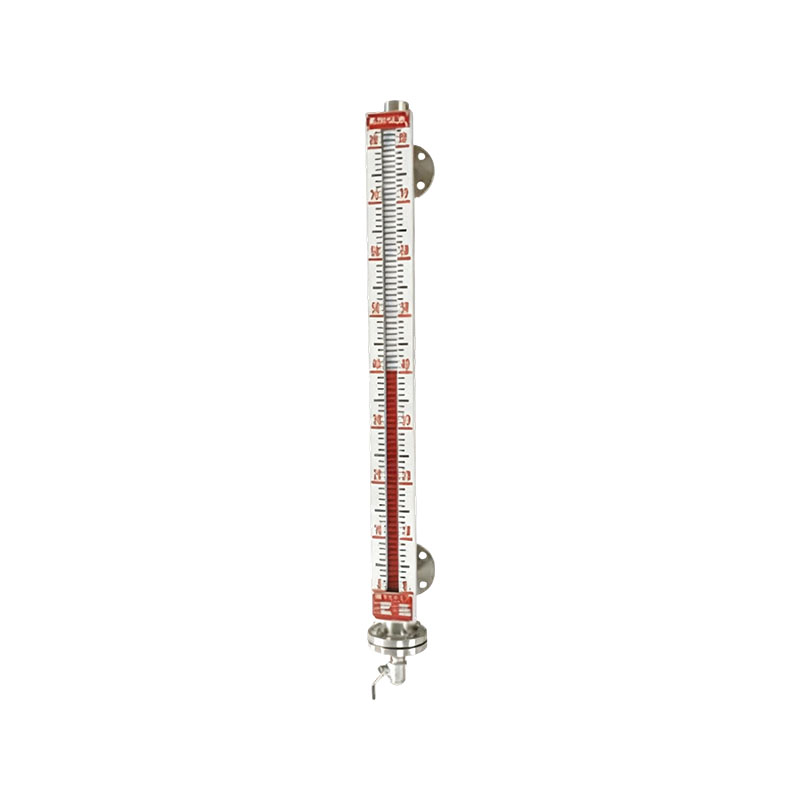 XG/JYZX series magnetic level gauge
1. Definition:
Level instruments are automated detection instruments used to measure the height or interface position of solid particles, powders, liquids, slurries, and other materials in industrial containers, silos, storage tanks, and pipelines. They are collectively referred to as level measuring instruments and are divided into three categories: liquid level, material level, and boundary level.
2. Main characteristics:
3. Applicable industries:
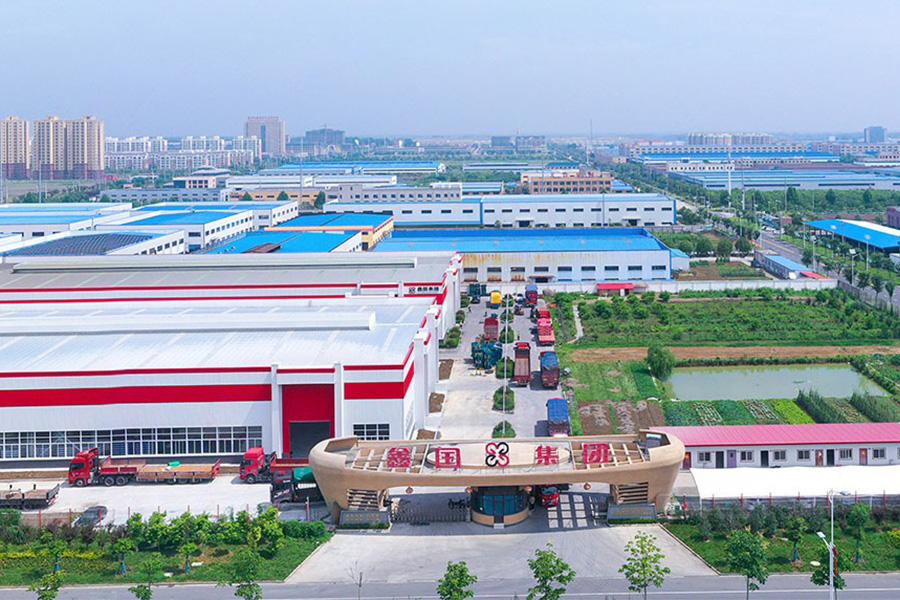
Founded in
Cover an area of
Experienced employees
Building area

A heat-treatment line that replaced its protection tubes every six weeks did not have a thermocouple problem. It had a ceramic problem. The elements came out of service clean and unbroken, yet the tubes had cracked, spalled or bowed, and the drift that followed belonged to the t...

The first sign that something is wrong with a thin film RTD is rarely a dramatic failure. It is a slow disagreement with a neighbouring sensor, a reading that creeps during a heat-up cycle, or a batch trend that no longer matches the recipe. In one case, a food processor replace...
A dairy processor in eastern China spent three weeks chasing a pasteurizer fault that turned out to be one crossed thermocouple extension wire inside a junction box. The recorder kept writing believable numbers the whole time, which is precisely why the investigation took so lon...
A heat-treat line running at 900 degrees Celsius will usually consume a Type K thermocouple in eight to fourteen months. The same probe sitting in a clean water loop at 90 degrees Celsius often survives eight years or more. Nothing about the two probes looks different on a datas...
Level instruments are automated detection devices used to measure the height, volume, or interface position of liquids, solids, powders, and slurries stored inside industrial tanks, silos, bins, and pipelines. As a core branch of process instrumentation, level instruments convert a physical position inside a vessel into an electrical or digital signal that can be read locally or transmitted to a control system. This category is generally divided into three groups: liquid level instruments, material level instruments, and boundary or interface level instruments, each addressing a different type of measured medium and process condition.
Because storage and reaction vessels exist across almost every industrial sector, level instruments are applied wherever a plant needs to track how much material remains in a container or where two layers of material meet. A single level instrument may be asked to work in a clean water tank one day and a corrosive acid tank the next, so the category includes a wide variety of sensing technologies suited to different physical and chemical conditions. Level instruments are also frequently paired with temperature and pressure instruments in the same process loop, since inventory monitoring often depends on all three parameters being read together.
From a simple float switch that triggers an alarm when a tank is full, to a guided wave radar that continuously measures the level of a sticky slurry, level instruments serve as the eyes of the process industry. They help operators avoid overflows, prevent dry-running of pumps, and maintain consistent material inventories. Xinguo Group Co., Ltd. has been supplying level instruments alongside temperature, pressure, and flow instrumentation since 1997, supporting industries such as power, petroleum, chemical, metallurgy, building materials, food, and water treatment with reliable measurement solutions.
Level instruments rely on several distinct physical principles to locate the surface or interface of a material inside a vessel. Contact type instruments, such as float switches, capacitance probes, and guided wave radar, place a sensing element directly in or near the medium and detect changes in mechanical position, capacitance, or reflected microwave pulses along a probe. Non-contact type instruments, such as radar level meters, ultrasonic level meters, and laser level meters, are mounted above the medium and send a signal downward, then measure the time it takes for the reflected wave to return in order to calculate distance and therefore level.
The choice between contact and non-contact sensing depends on the properties of the medium being measured. Guided wave radar performs well in tanks with foam, steam, or turbulence because the signal travels along a fixed probe rather than through open air. Non-contact radar is often selected for corrosive or viscous media where a probe would be difficult to clean or maintain. Ultrasonic instruments are a practical option for clean liquids and simple bins under normal pressure and temperature, while capacitance and float based instruments remain common for smaller vessels or interface detection between two immiscible liquids.
The chart below presents a qualitative comparison of the typical usable measurement range for several common level sensing technologies. This comparison is intended to illustrate the general order of magnitude associated with each technology rather than an exact specification for any single product model. Guided wave radar and non-contact radar generally cover a wider effective range because their signal can travel through open space or along a probe over longer distances with limited attenuation. Ultrasonic level meters typically cover a moderate range and are influenced by vapor, dust, and temperature layering inside the vessel. Float and capacitance instruments are usually applied to shorter ranges, matching the dimensions of smaller tanks or vessels where a mechanical or electrical probe can be installed conveniently. Understanding this relative range helps engineers narrow down which sensing technology is appropriate before reviewing detailed technical parameters for a specific application.
As shown above, non-contact radar and guided wave radar occupy the wider end of the comparison because their electromagnetic signal can be engineered to travel longer distances with predictable attenuation. This makes both technologies a common choice for tall storage tanks in the petrochemical and power sectors. Ultrasonic instruments sit in the middle of the range because sound waves are more sensitive to temperature gradients and vapor density than microwave signals. Capacitance probes and float switches occupy the shorter end of the range since their sensing element must physically reach or approach the surface of the medium, which becomes impractical in very tall vessels. This relative positioning is a useful starting reference when a project team is comparing sensing technologies before conducting a detailed site survey.
It is also worth noting that the effective range can be extended or reduced by the dielectric constant of the medium for radar-based instruments, or by the density for ultrasonic and float devices. For example, a non-contact radar may achieve a longer range in a high-dielectric liquid than in a low-dielectric powder. Similarly, ultrasonic performance often degrades in dusty atmospheres, which reduces its practical range. These factors are why the chart is labelled as "typical" – the actual range you get in the field depends on your specific process conditions. Always refer to the manufacturer's performance curves for the exact model you are considering.
Level instruments can be grouped into several common types, each with characteristics suited to particular process conditions. The table below summarizes these types along with typical output signals and general application notes, which can support an initial screening process before a detailed engineering review.
| Instrument Type | Sensing Category | Common Signal Output | General Application Notes |
|---|---|---|---|
| Guided Wave Radar | Contact | 4-20mA, Hart | Foam, turbulence, and interface conditions |
| Non-contact Radar | Non-contact | 4-20mA, Hart, Modbus | Corrosive, viscous, or high temperature media |
| Ultrasonic Level Meter | Non-contact | 4-20mA, Modbus | Clean liquids and simple bins under normal conditions |
| Capacitance Level Sensor | Contact | 4-20mA, switch output | Powders, granules, and small to medium vessels |
| Float Level Switch | Contact | Switch output | Point level alarm and simple liquid tanks |
Each type listed above supports standardized output signals such as 4-20mA, Hart, and Modbus, which allows the instrument to be integrated into a distributed control system or a programmable logic controller without extensive custom wiring. Selecting the correct type is generally based on the physical state of the medium, the process temperature and pressure, and whether the application requires continuous measurement or a single point alarm. For instance, a guided wave radar is preferred when the tank has internal agitators that create foam or turbulence, whereas a non-contact radar is often used for highly corrosive chemicals where even a small probe would be attacked.
Contact and non-contact level instruments each bring distinct advantages depending on the process environment. The radar chart below compares both categories across five general criteria that are commonly considered during instrument selection: adaptability to harsh media, resistance to buildup or fouling, installation simplicity, response stability in turbulent conditions, and suitability for interface detection. Each criterion is rated on a relative scale from the center outward, where a larger area indicates a stronger general characteristic for that category. This comparison is intended as a conceptual guide rather than a fixed numeric specification, since actual performance depends on the specific model and process conditions involved.
Contact type instruments, represented by the larger shaded area in the chart, generally show a stronger relative rating for interface detection and turbulence stability because the probe travels directly through the medium and is less influenced by surface disturbance. Guided wave radar in particular remains a preferred contact solution for applications involving foam or agitation, since the guided signal stays close to the probe surface. Non-contact instruments, shown as the smaller shaded area, tend to rate more favorably for installation simplicity and fouling resistance, since the sensor itself does not touch the medium and requires less frequent cleaning in sticky or crystallizing applications. Both categories offer reasonable adaptability to harsh media when the correct wetted materials and antenna design are specified for the process.
In practice, many plants use a combination of contact and non-contact instruments across different vessels depending on the specific medium and mechanical constraints of each tank. For example, a chemical plant might use non-contact radar on a storage tank for concentrated sulfuric acid to avoid any wetted parts, while using guided wave radar on a reactor with agitators and foam to maintain measurement stability. The radar chart helps visualize that there is no single "best" category – the optimal choice depends on which criteria are most important for your specific application. This trade-off awareness is a key part of the instrument selection process.
It is also worth mentioning that some modern level instruments can operate in both contact and non-contact modes depending on the antenna or probe configuration, offering flexibility for plants that want to standardize on a single technology platform. However, these hybrid designs are less common and usually require careful evaluation of the process conditions before adoption.
Level instruments are applied across a broad set of industrial sectors, each with characteristic vessel types and measured media. In petrochemical plants, level instruments monitor crude oil, refined oil, and acid or alkali storage tanks as well as material levels inside reaction kettles. In the power sector, level instruments are used on ash silos, raw coal bins, desalination water tanks, and condensate water tanks. Metallurgical and mining operations apply level instruments to track ore level, slurry level, and blast furnace charge level, while cement and building materials plants use them for cement silos, raw material silos, fly ash silos, and aggregate silos.
Water treatment and environmental protection facilities rely on level instruments for sewage tanks, clean water tanks, sedimentation tanks, and dosing tanks. Grain and feed processing plants use level instruments in grain silos, feed silos, and flour silos, while pharmaceutical and food processing facilities apply them to syrup tanks, sauce tanks, storage tanks, and reaction tanks. Coal chemical and natural gas operations use level instruments on process tanks, separators, and buffer tanks where accurate inventory tracking supports safe and continuous operation.
The bar chart below presents a general illustration of how level instrument usage tends to be distributed across representative industrial sectors, based on the diversity of vessel types and process points typically found in each sector. This illustration is qualitative and intended to support a general understanding of where level instruments are commonly deployed, rather than representing exact market statistics. Sectors with a larger number of storage and process vessels, such as petrochemical and power, generally show a broader footprint of level measurement points across the plant. Sectors such as pharmaceutical and food processing tend to involve smaller and more specialized vessels, resulting in a comparatively narrower but still meaningful application footprint.
As illustrated, petrochemical and power applications generally present the widest range of level measurement points due to the sheer number of tanks, silos, and process vessels found in a typical facility. Metallurgical and cement operations follow closely, since ore processing and material silos require continuous or point level monitoring throughout the production line. Water treatment facilities show a moderate footprint concentrated around a smaller number of critical tanks, while grain, feed, pharmaceutical, and food sectors tend to apply level instruments in a more targeted way around specific storage or reaction vessels. This general pattern can help a plant engineer anticipate the scale of a level measurement project when planning a new facility or expanding an existing one.
Xinguo Group Co., Ltd. supplies level instruments to all these sectors, with a product portfolio that also includes temperature, pressure, flow, and digital display instruments. The company's experience across these diverse industries enables its technical team to recommend suitable level measurement solutions based on actual field experience rather than theoretical knowledge alone.
Selecting an appropriate level instrument generally involves reviewing several process and mechanical factors together rather than focusing on a single specification. The following points summarize the general considerations used during a typical selection process.
Reviewing these factors together with the vessel drawings and process data sheet generally supports a more accurate instrument selection and reduces the likelihood of rework after installation. In many projects, a site survey combined with a review of similar existing installations provides useful reference points before a final technology is confirmed.
Xinguo Group Co., Ltd. offers engineering support to help customers work through these selection criteria. With in-house manufacturing of level instruments, temperature instruments, and control cables, the company can provide a coordinated solution that ensures compatibility between the level sensor, the signal cable, and the receiving instrument – simplifying the overall system integration for the end user.
Proper installation plays a significant role in the long term stability of a level instrument. Non-contact radar and ultrasonic sensors are generally mounted away from the fill stream and vessel walls to reduce false echoes from splashing or structural reflections. Guided wave radar probes are typically installed with adequate clearance from internal obstructions such as heating coils or agitator blades, since contact between the probe and moving equipment can affect the measurement or damage the probe over time. Capacitance probes and float switches are usually positioned according to the specific high and low alarm points required by the process, with attention paid to turbulence near the fill point.
Routine maintenance for level instruments generally includes periodic visual inspection of the sensor housing and cable connections, cleaning of the sensing surface where buildup is likely to accumulate, and verification of the output signal against a known reference point during scheduled shutdowns. Non-contact instruments typically require less physical cleaning than contact probes, though the antenna or sensor face should still be checked periodically in dusty or condensing environments. Recording the condition of each instrument during routine maintenance visits helps identify gradual drift or buildup before it affects process control, supporting stable long term operation of the measurement point.
For guided wave radar and capacitance probes, it is particularly important to check for coating or bridging between the probe and the tank wall, as this can cause measurement errors. In sticky or crystallizing services, regular cleaning schedules should be established. Xinguo Group Co., Ltd. provides maintenance recommendations for each instrument type based on the specific medium and process conditions, helping customers establish effective preventive maintenance programs.
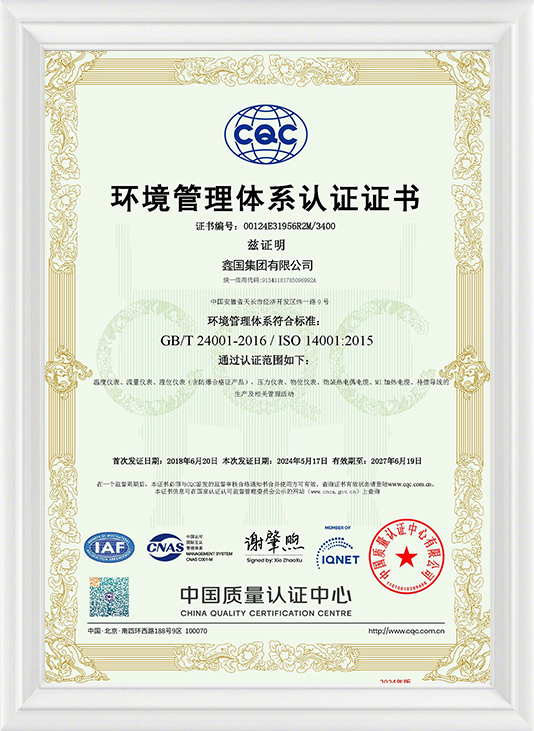
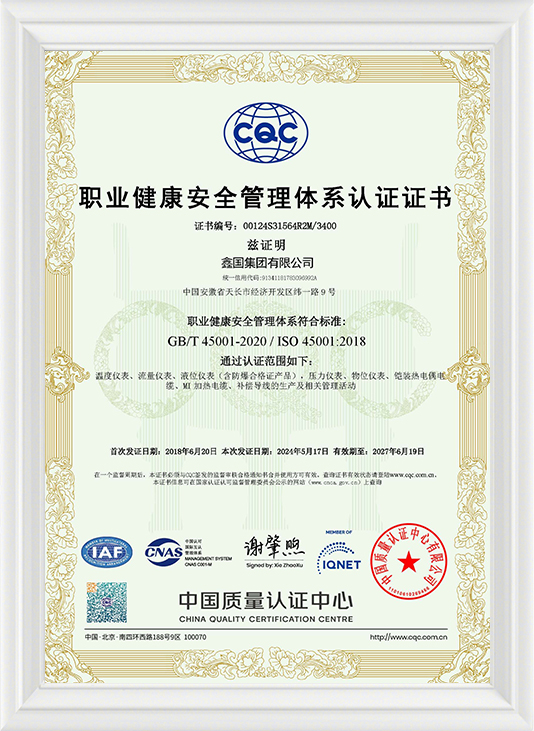
Level instruments are produced as part of a broader instrumentation portfolio that also includes temperature instruments, pressure instruments, flow instruments, and digital display instruments. Xinguo Group Co., Ltd. develops and manufactures level instruments alongside related process instrumentation and automation control components, supporting industries such as petrochemical, power, metallurgy, cement, water treatment, and food processing. Manufacturing level instruments within a wider instrumentation and cable production base allows engineering teams to coordinate signal cable, compensation cable, and control system compatibility together with the level instrument itself, which can simplify integration for plants that source multiple related products from a single supplier.
Xinguo Group Co., Ltd. was founded in 1997 and is located in Tianchang City, Anhui Province. With a registered capital of 118 million RMB and a production area of over 60,000 square meters, the company employs more than 300 people, including over 50 technical professionals. The company's product range covers power cables, control cables, compensation cables, computer cables, signal cables, MI heating cables, mineral insulated cables, electric heat tracing tapes, cable trays, high and low voltage distribution equipment, automation control systems, instrument valves, pipeline valves, fittings, glass instruments, laboratory equipment, and precision alloys. This comprehensive product line means that a customer ordering a level instrument can also obtain the necessary connecting cables, mounting valves, and control system components from the same source, reducing procurement complexity.
The company's experience in thermocouple alloy wires, compensation wires, and precision alloys further supports the reliability of its level instruments, as these materials are often used in the probes and sensing elements of contact-type level sensors. This vertical integration of material production and instrument assembly contributes to consistent product quality and traceability. Xinguo Group Co., Ltd. serves customers in power, petroleum, chemical, metallurgy, building materials, machinery, food, aerospace, new energy, and scientific research, with a commitment to providing reliable measurement solutions backed by technical support and service.
(1) What is the difference between liquid level, material level, and interface level measurement?Liquid level measurement tracks the surface height of a liquid inside a tank, material level measurement tracks the surface height of a solid, powder, or granular material inside a silo or bin, and interface level measurement identifies the boundary between two different layers, such as oil sitting above water. Each type may use a different sensing technology depending on the physical properties of the medium involved. |
(2) How is a level instrument selected for a vessel with foam or turbulence?Guided wave radar is commonly selected for vessels with foam, turbulence, or agitation, since the microwave signal travels along a fixed probe rather than through open air, which reduces the influence of surface disturbance on the measurement compared with some non-contact technologies. |
(3) Can the same level instrument be used for both liquids and solids?Some technologies, particularly radar level meters, can be applied to both liquids and solids depending on the specific model and antenna design, while other technologies such as float switches are generally limited to liquid applications. Reviewing the medium properties against the instrument specification sheet helps confirm suitability before selection. |
(4) What output signals do level instruments typically support?Level instruments generally support standardized output signals such as 4-20mA, Hart, Modbus, and Profibus, which allows the instrument to be connected to a distributed control system, programmable logic controller, or local display without extensive custom wiring. |
(5) How often should a level instrument be inspected?Inspection frequency generally depends on the process environment, with instruments in dusty, condensing, or buildup prone conditions typically inspected more frequently than those in clean, stable environments. Periodic inspection during scheduled maintenance windows supports early detection of drift or sensor buildup. |
(6) What is the advantage of non-contact radar over guided wave radar?Non-contact radar does not touch the medium, so it is less prone to fouling and requires less maintenance in sticky or corrosive services. However, guided wave radar is more immune to foam, turbulence, and low dielectric media, making it a better choice for difficult liquids. |
(7) Can level instruments be used in hazardous areas?Yes, many level instruments are available in explosion-proof or intrinsically safe versions, with appropriate certifications for use in hazardous areas. Always check the instrument's approval rating against the area classification of your installation site. |



 INQUIRY
 English
 عربى
عربى русский
 中文简体
中文简体
