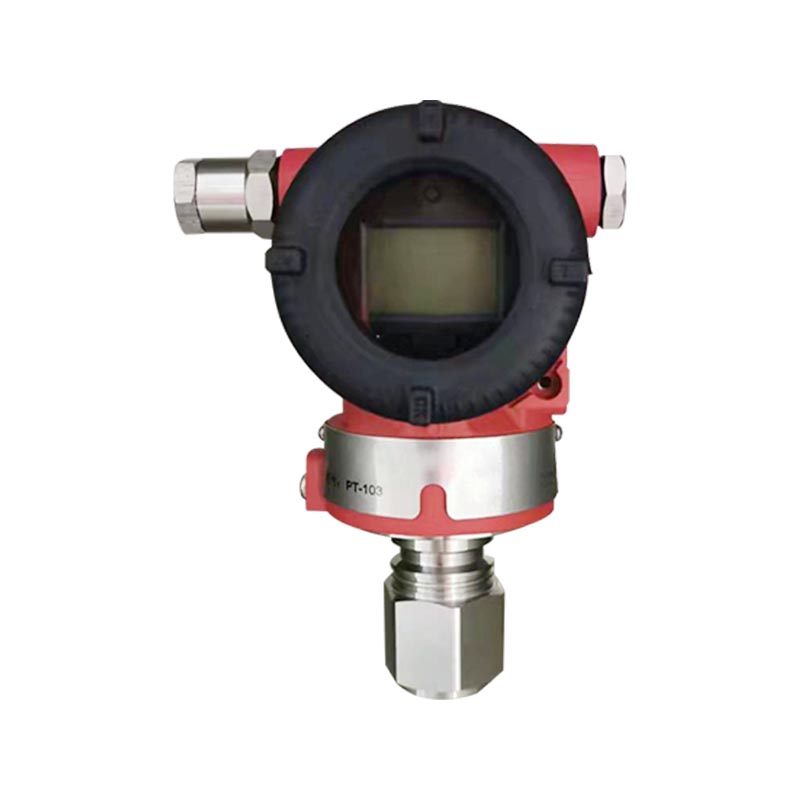
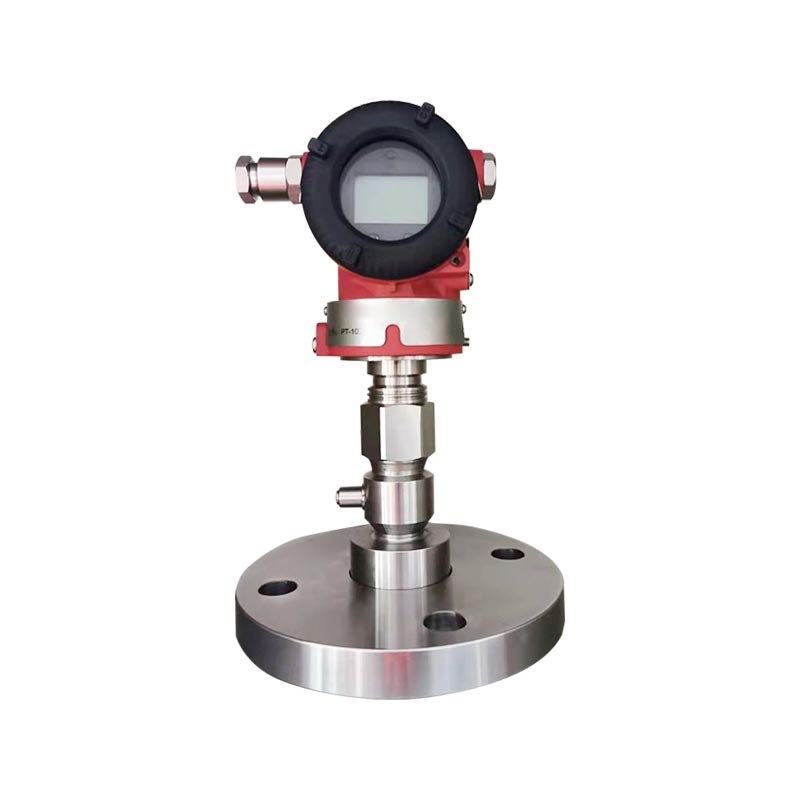
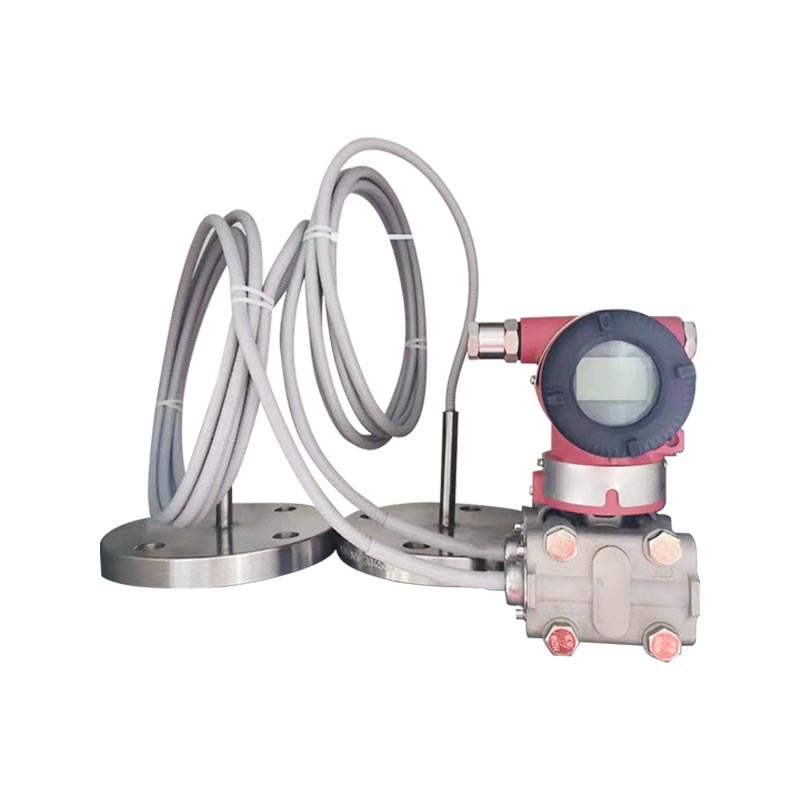
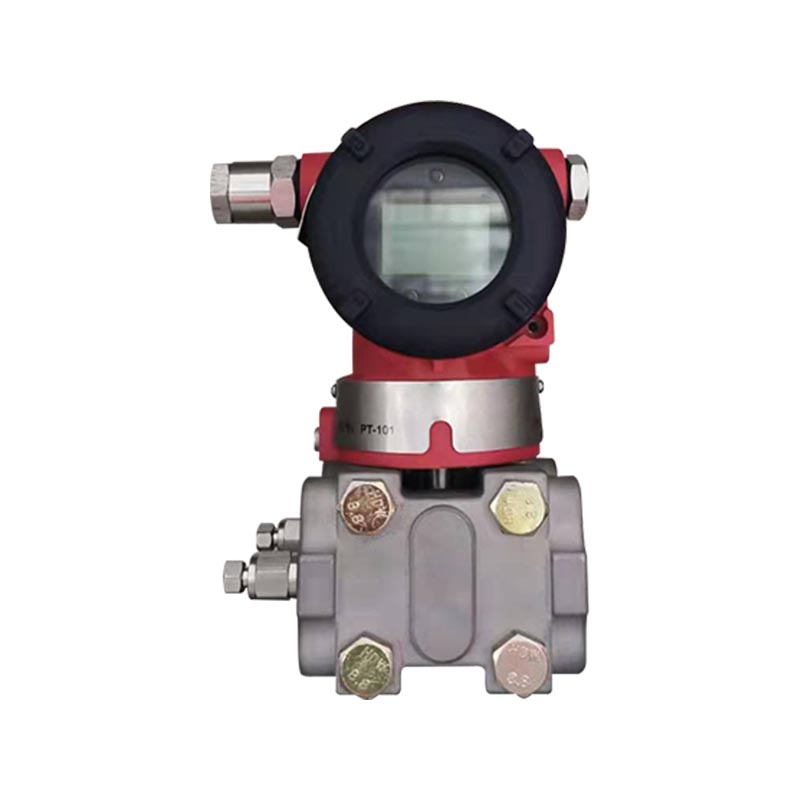
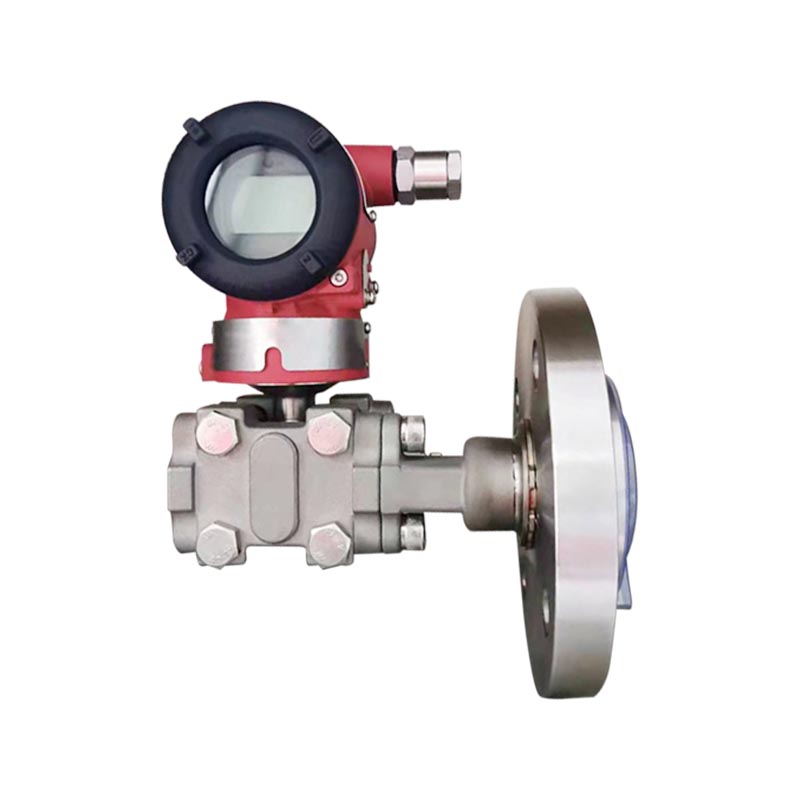
Product Introduction:
Pressure transmitters are the core detection instruments in industrial automation control systems, known as the "sensing nerves" of industrial processes. They are mainly used to accurately measure physical parameters such as pressure, differential pressure, liquid level, density, etc. of liquids, gases, steam, and other media. The collected non-electric physical pressure signals are linearly converted into industrial standardized electrical signals, which are transmitted remotely to control systems such as PLC, DCS, secondary display instruments, etc., to achieve real-time monitoring, data recording, automatic adjustment, and safety interlock control of industrial working conditions. They are widely applicable to industrial scenarios such as petrochemicals, electricity, metallurgy, water treatment, pharmaceuticals, HVAC, and other industries. They are key basic instruments to ensure stable, safe, and efficient operation of industrial production.
Basic structural composition:
The overall structure of the pressure transmitter is compact and modular, mainly composed of three core modules, which work together to ensure measurement stability:
1. Process connection module: including pressure interface, isolation diaphragm, and filling liquid, it is a component that directly contacts the measured medium. The isolation membrane is made of anti-corrosion materials such as stainless steel, Hastelloy, titanium alloy, etc., which can isolate corrosive, viscous, and high-temperature media, avoiding damage to internal sensing components. The filling fluid is responsible for accurately transmitting the pressure borne by the diaphragm, ensuring lossless transmission of pressure.
2. Core sensing module: It is the core measurement unit of the device, including sensitive components such as piezoresistive chips, capacitor plates, strain gauges, etc. It directly completes the original conversion of pressure to electrical signals, determining the measurement accuracy and response speed of the transmitter.
3. Circuit and housing module: composed of signal processing circuit board, power module, communication module, explosion-proof housing, and display head. The circuit module is responsible for signal correction and output, supporting parameter debugging and self-diagnostic functions; the explosion-proof sealed shell is suitable for industrial flammable and explosive working conditions, with a high protection level; The digital meter head can display measurement values in real time on-site, balancing remote transmission and on-site intuitive viewing.
Core functions and advantages:
1. Accurate and stable measurement: Built-in temperature compensation, linear correction, and anti-interference filtering technology effectively eliminate environmental and working condition interference, with small drift during long-term operation and high repeatability of measurement data.
2. Reliable signal transmission: The standardized 4-20mA current signal has a long transmission distance, strong resistance to electromagnetic interference, and can adapt to complex industrial wiring environments. The digital intelligent type supports bidirectional communication, remote debugging and troubleshooting, and reduces operation and maintenance costs.
3. Wide adaptability to working conditions: By replacing anti-corrosion membranes and adapting to different pressure interfaces, it can measure various media such as corrosiveness, viscosity, high temperature, high pressure, flammability, and explosiveness, and adapt to industrial scenarios across the entire industry.
4. High degree of intelligence: Intelligent models have self-diagnosis, fault alarm, range adaptation, data storage functions, and can be connected to industrial IoT systems to achieve digital control of equipment, which meets the upgrading needs of intelligent manufacturing.
5. Strong safety and reliability: The structure is sturdy, overload-resistant, and vibration-resistant. It has passed multiple safety certifications and can operate continuously for a long time, meeting the 24-hour uninterrupted production needs of the industry, ensuring stable and effective production safety interlocking and overpressure protection functions.
Main application scenarios:
As a universal industrial testing instrument, pressure transmitters penetrate into various core industrial fields, and their core application scenarios are as follows:
1. Petrochemical industry: Monitor the pressure and differential pressure of reaction vessels, pipelines, and storage tanks, calculate the flow rate and liquid level of the medium, achieve closed-loop control of the process flow, and prevent overpressure leakage and explosion risks.
2. Power industry: Monitor the pressure parameters of boilers, turbines, and water circulation systems to ensure stable operation of the units and participate in unit safety interlock protection.
3. Water treatment and environmental protection: Monitor the pressure of sewage and water purification pipelines, the liquid level of water tanks, regulate the operation of water pumps and valves, and achieve automated control of water treatment processes.
4. Metallurgy and Building Materials: Monitor the pressure conditions of blast furnaces, kilns, and hydraulic equipment to ensure stable operation of high-temperature and high-pressure heavy equipment.
5. Pharmaceutical and food industries: Adopting sanitary pressure transmitters, suitable for sterile and clean working conditions, monitoring production pipeline pressure, and meeting industry clean production standards.
6. HVAC and Municipal Engineering: Monitor the pressure of central air conditioning, heating pipelines, and water supply pipelines to achieve intelligent regulation of buildings and municipal pipelines.
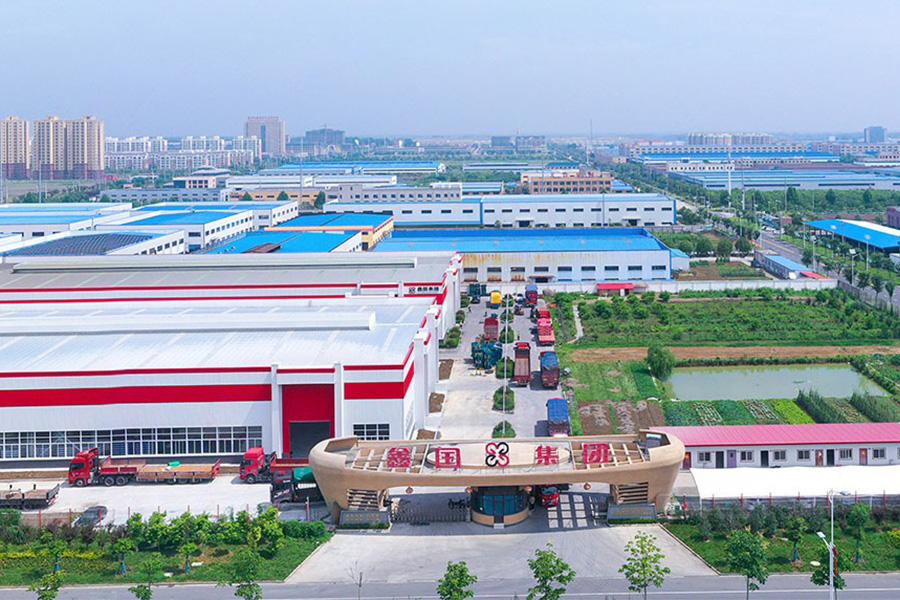
Founded in
Cover an area of
Experienced employees
Building area

A heat-treatment line that replaced its protection tubes every six weeks did not have a thermocouple problem. It had a ceramic problem. The elements came out of service clean and unbroken, yet the tubes had cracked, spalled or bowed, and the drift that followed belonged to the t...

The first sign that something is wrong with a thin film RTD is rarely a dramatic failure. It is a slow disagreement with a neighbouring sensor, a reading that creeps during a heat-up cycle, or a batch trend that no longer matches the recipe. In one case, a food processor replace...
A dairy processor in eastern China spent three weeks chasing a pasteurizer fault that turned out to be one crossed thermocouple extension wire inside a junction box. The recorder kept writing believable numbers the whole time, which is precisely why the investigation took so lon...
A heat-treat line running at 900 degrees Celsius will usually consume a Type K thermocouple in eight to fourteen months. The same probe sitting in a clean water loop at 90 degrees Celsius often survives eight years or more. Nothing about the two probes looks different on a datas...



 INQUIRY
 English
 عربى
عربى русский
 中文简体
中文简体