Product Definition:
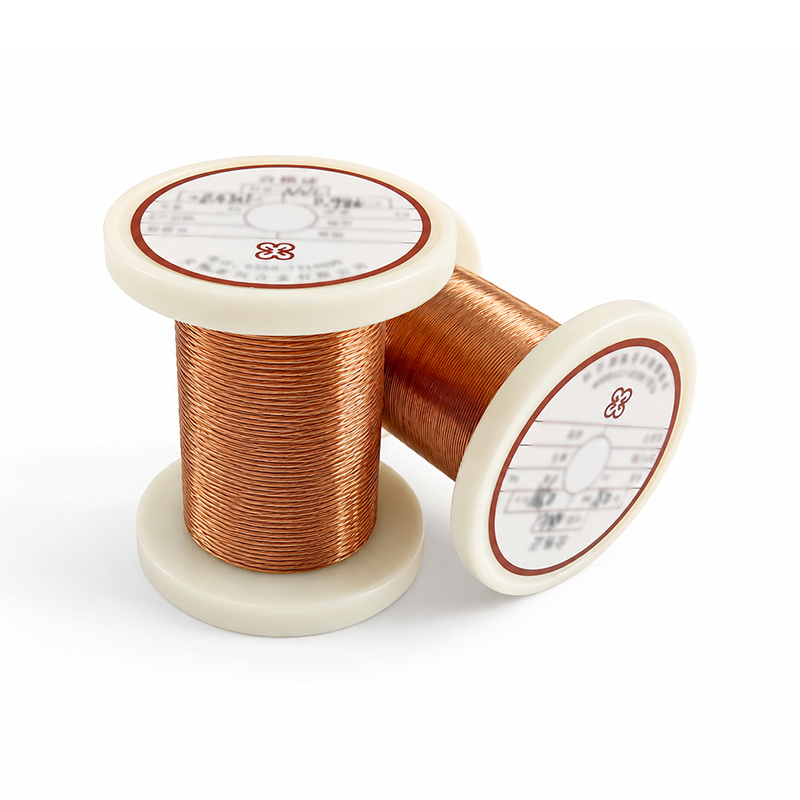
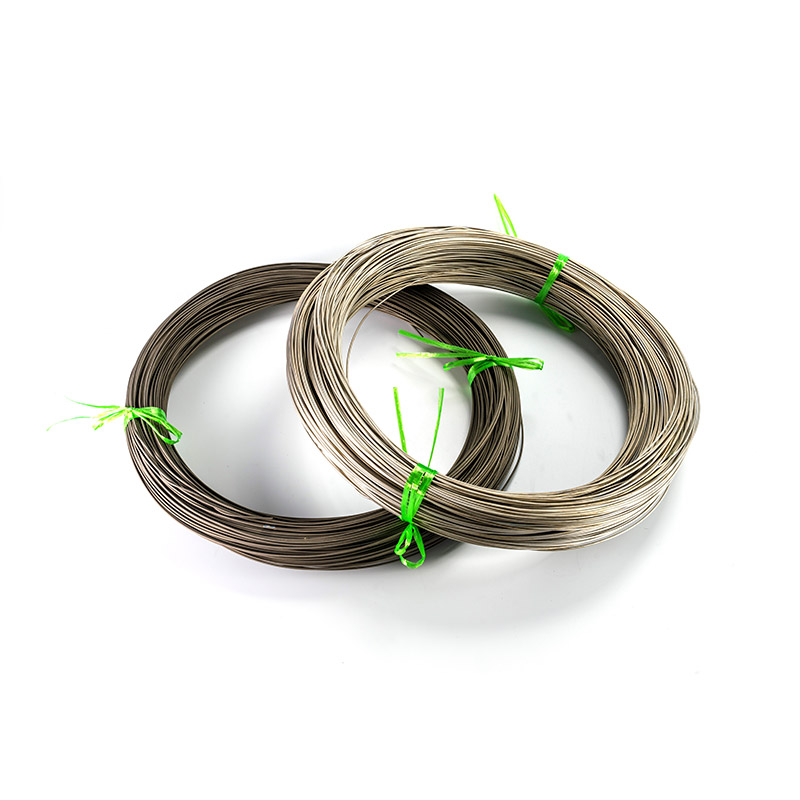
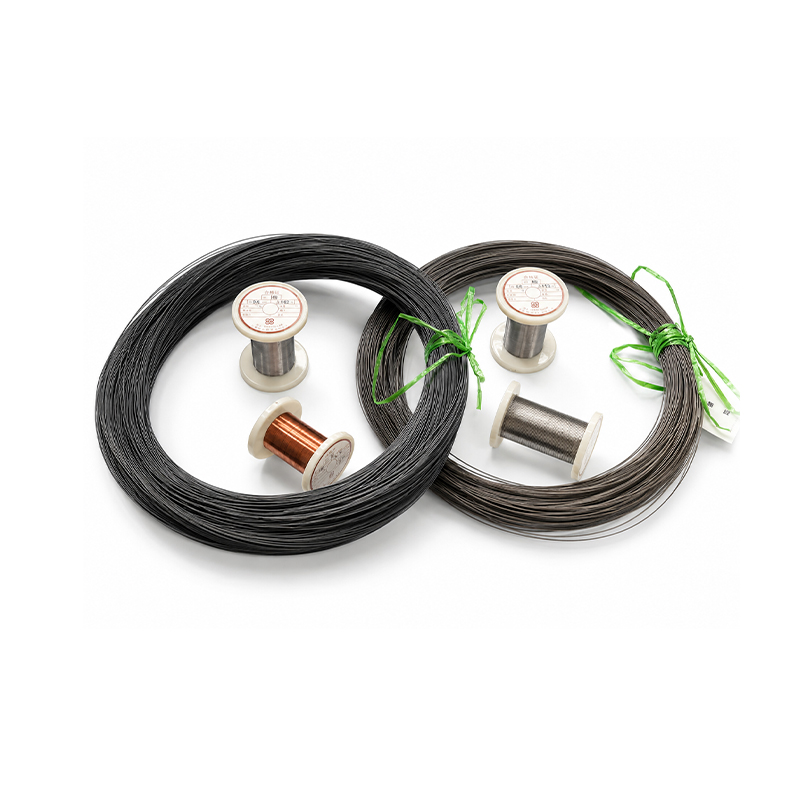
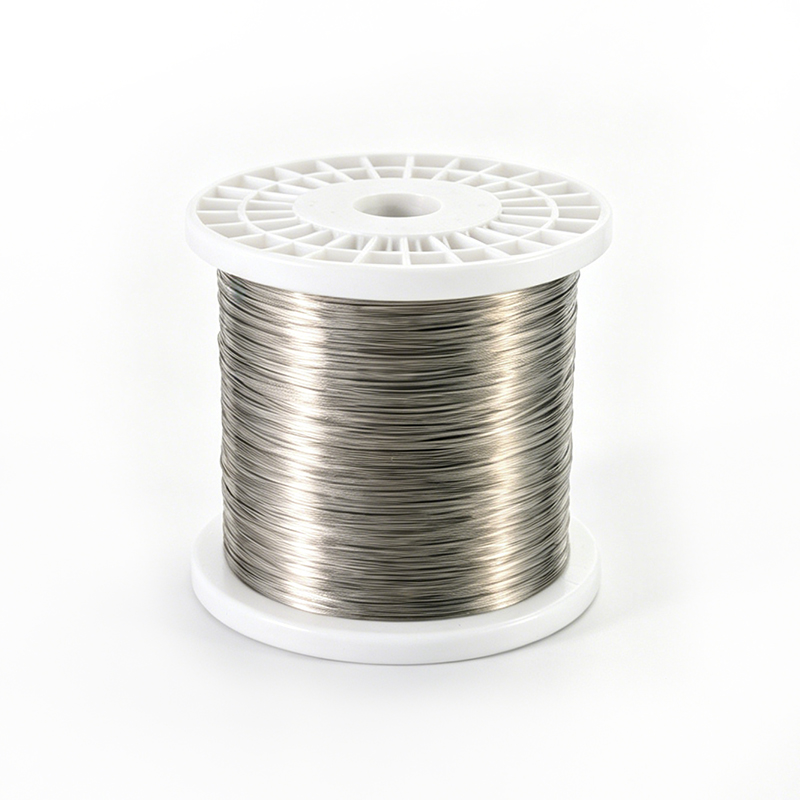
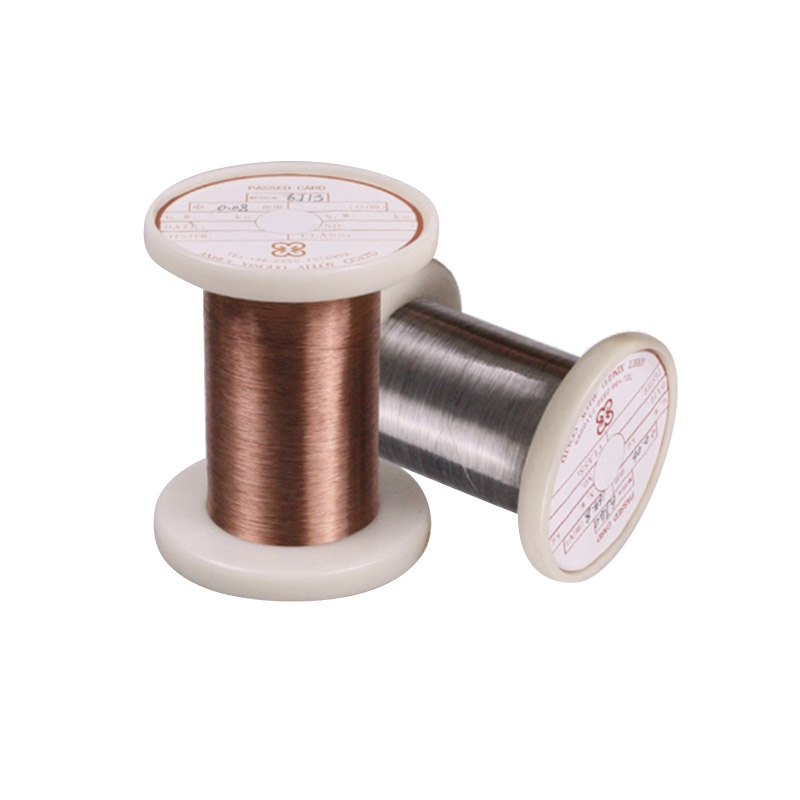
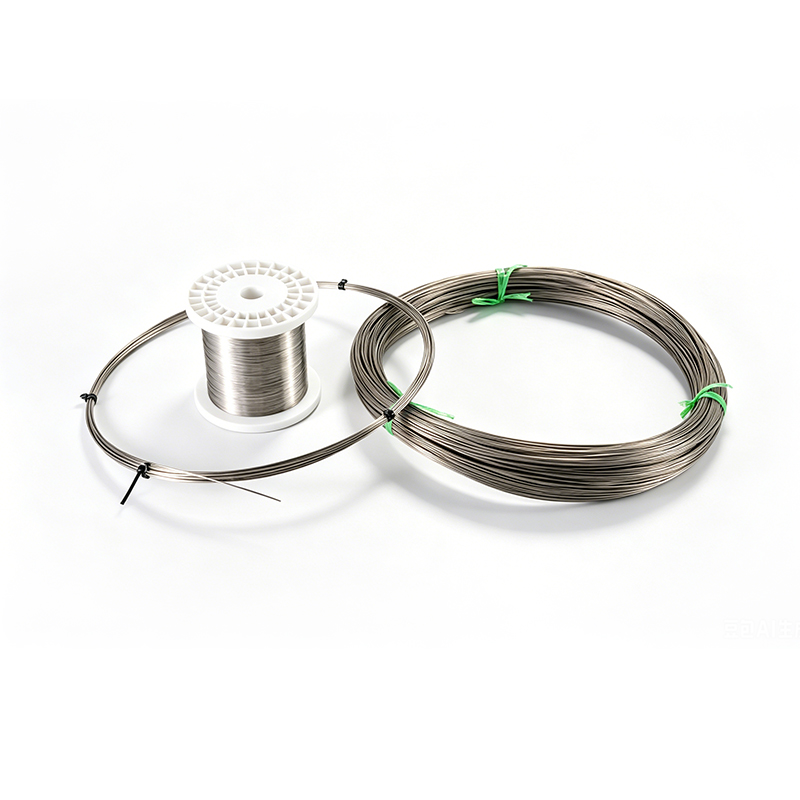
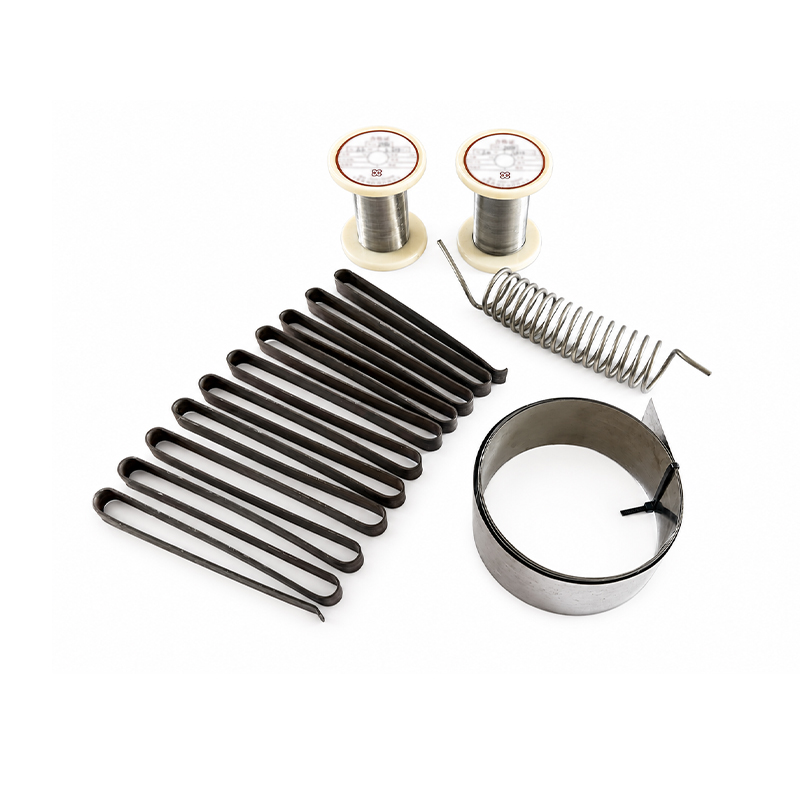
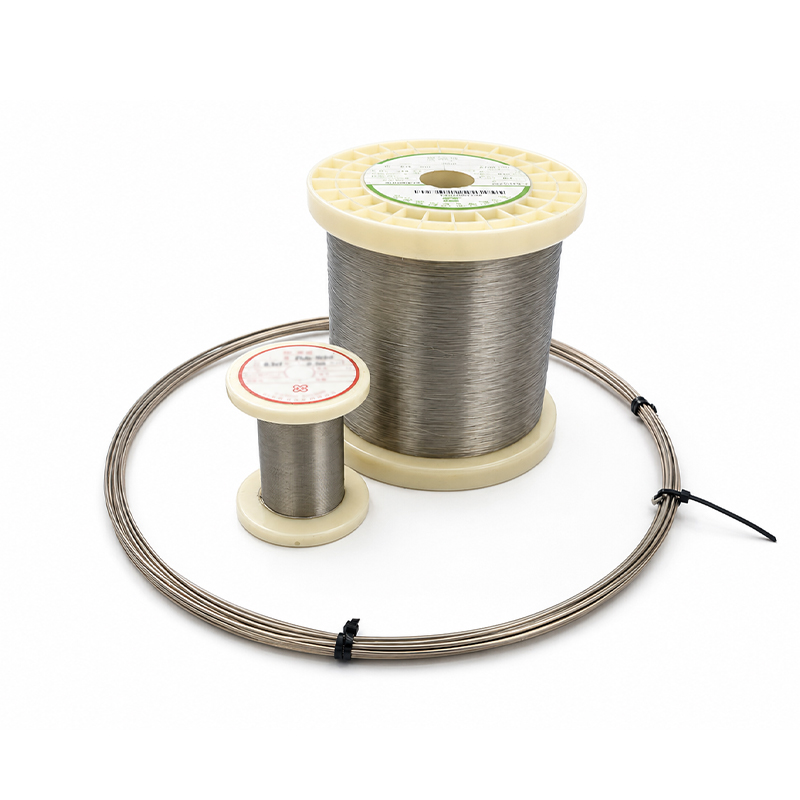
Alloy wire is a filamentary metal material made by melting two or more metals in a specific ratio, followed by hot rolling or cold drawing. It combines the excellent properties of multiple components and serves as a core basic industrial wire material.
Compared with pure metal wire, alloy wire achieves characteristics such as high temperature resistance, corrosion resistance, high electrical resistance, high strength, and shape memory through optimized proportioning. Common alloying elements include nickel, chromium, silicon, copper, aluminum, titanium, iron, etc. The combination of these elements endows alloy wire with diverse performance.
In modern industrial manufacturing, alloy wire is widely used in fields with high material performance requirements. For example, thermocouple alloy wire is commonly used in metallurgy, petrochemical, electronics, aerospace and other industries, while constantan alloy wire is widely used in manufacturing high-precision resistors and strain resistance components due to its low resistance temperature coefficient. With the continuous development of industrial technology and increasingly demanding material performance requirements across industries, alloy wire has become an indispensable key material in automotive, aerospace, energy, precision manufacturing and other fields.
As a professional foreign trade exporter, we supply various types and specifications of alloy wire products that meet international quality standards. They satisfy diverse applications from precision electronics to heavy industry, ensuring stable performance and long service life.
Features of Alloy Wire:
1.High temperature resistance, not easy to burn out
Electrothermal alloy wires such as nickel-chromium and iron-chromium-aluminum can operate at hundreds to thousands of degrees Celsius, suitable for heating tubes, electric furnaces, ovens, and hair dryers.
2.Stable resistance, high precision
Constantan, manganin alloy wires have resistance values nearly unaffected by temperature, specially used for precision resistors, instruments, sensors, and shunts.
3.Strong corrosion and oxidation resistance
Monel wire resists acids, alkalis, seawater, and oxidation, suitable for chemical, marine, and high-temperature flue gas environments.
4.High strength, good toughness, not easy to break
Much stronger than pure copper or pure iron; even as fine as 0.02mm it rarely breaks, suitable for springs, wire mesh, brushes, and braided cords.
5.Stable thermoelectric performance
Special wires for thermocouples (Type K, N, etc.) produce stable voltage with temperature changes, enabling accurate and reliable temperature measurement.
6.Magnetic or non-magnetic, customizable on demand
Some alloy wires are magnetic for electromagnetic components; others are non-magnetic for precision instruments and medical equipment without magnetic interference.
7.Strong processability, can be made extremely fine
Available from several millimeters down to dozens of times finer than a human hair. It can be annealed to soften or quenched to harden for different processes.
Applicable Industries of Alloy Wire:
With advantages of high temperature resistance, stable resistance, corrosion resistance, high strength and excellent thermoelectric properties, alloy wire is widely used in instrumentation, electrothermal equipment, automotive manufacturing, electronics and electrical appliances, petrochemical, machinery and hardware, medical treatment, aerospace, energy and electric power industries. It can be used to make temperature sensors, precision resistors, heating elements, filter screens, springs, wire harnesses and various high-end precision parts, making it an indispensable key basic material in industrial production and high-end manufacturing.
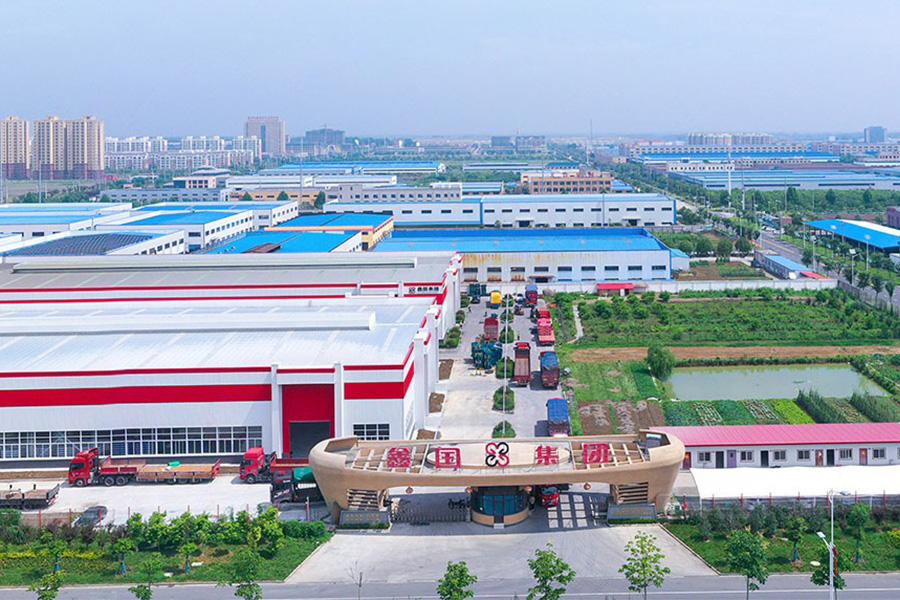
Founded in
Cover an area of
Experienced employees
Building area

A heat-treatment line that replaced its protection tubes every six weeks did not have a thermocouple problem. It had a ceramic problem. The elements came out of service clean and unbroken, yet the tubes had cracked, spalled or bowed, and the drift that followed belonged to the t...

The first sign that something is wrong with a thin film RTD is rarely a dramatic failure. It is a slow disagreement with a neighbouring sensor, a reading that creeps during a heat-up cycle, or a batch trend that no longer matches the recipe. In one case, a food processor replace...
A dairy processor in eastern China spent three weeks chasing a pasteurizer fault that turned out to be one crossed thermocouple extension wire inside a junction box. The recorder kept writing believable numbers the whole time, which is precisely why the investigation took so lon...
A heat-treat line running at 900 degrees Celsius will usually consume a Type K thermocouple in eight to fourteen months. The same probe sitting in a clean water loop at 90 degrees Celsius often survives eight years or more. Nothing about the two probes looks different on a datas...
Alloy wire is a filamentary metal material produced by melting two or more metals in a controlled ratio and then reducing the resulting billet to a fine, continuous strand through hot rolling or cold drawing. By combining the strengths of several elements within one conductor, alloy wire reaches levels of temperature resistance, resistance stability, mechanical strength and thermoelectric consistency that a single pure metal wire cannot offer on its own. Because so many downstream components, from temperature sensors to heating elements, depend on the predictable electrical and mechanical behavior that a well-controlled alloy composition provides, alloy wire is treated as a foundational material across instrumentation, energy and industrial manufacturing. The sections below walk through what alloy wire is, how the main product families differ from one another, where each type is typically applied, and what factors matter most when a buyer is selecting alloy wire for a specific project.
Alloy wire is manufactured by melting two or more metals together in a specific ratio and then forming the resulting material into fine wire through hot rolling or cold drawing. Compared with a pure metal wire, an alloy wire can be engineered to show high temperature resistance, corrosion resistance, a controlled and stable electrical resistance, high mechanical strength or a predictable thermoelectric response, simply by adjusting the proportion of its constituent elements. Common alloying elements used across this category include nickel, chromium, copper, manganese, aluminum, iron and, for the highest temperature sensing applications, platinum and rhodium. The specific combination selected determines whether the finished wire behaves primarily as a heating conductor, a precision resistor, a thermocouple sensing element or a corrosion-resistant structural strand, and this is why alloy wire is better understood as a family of related products rather than a single material. For readers new to the category, the simplest way to think about alloy wire is that it takes the raw conductive or magnetic behavior of a metal and refines it into a specific, repeatable electrical or mechanical function through careful alloying.
Alloy wire is not a single product but a family of compositions, each engineered around a different working principle, and understanding the differences between these families helps a buyer select the correct wire type for a given electrical, thermal or mechanical requirement rather than defaulting to a generic option. Thermocouple alloy wire, including Type K, N, E, J and T compositions along with platinum-rhodium wire for the highest temperature ranges, generates a small, temperature-dependent voltage at the junction of two dissimilar alloy strands, forming the sensing basis of the majority of industrial temperature measurement systems in use today. Thermocouple compensation alloy wire is engineered to extend the same thermoelectric characteristics of a given thermocouple type over long cable runs at a lower material cost, allowing accurate signal transmission from a sensing point back to a control room without introducing measurement error. Precision resistance alloy wire, most notably manganese-copper compositions, is designed to keep its resistance value stable across a wide ambient temperature range, which is why it is favored for precision resistors, current shunts and calibration standards where even a small resistance drift would compromise measurement accuracy. High-resistance heating alloy wire, built primarily from nickel-chromium and iron-chromium-aluminum, is designed to convert electrical energy into heat efficiently and repeatedly, and it tolerates sustained high operating temperature without burning out. Corrosion-resistant alloy wire, based on Monel-type nickel-copper compositions, is selected whenever the wire will be exposed to seawater, humid marine air or aggressive chemical environments that would quickly degrade a standard alloy, while pure nickel wire is often chosen where a combination of moderate resistance, good ductility and reliable oxidation resistance is needed in a simpler, single-element form. As a manufacturer active across this category, Xinguo Group Co., Ltd. produces thermocouple, compensation, precision resistance and corrosion-resistant alloy wire types that support customers across instrumentation, energy and industrial equipment manufacturing.
Thermocouple alloy wire is chosen primarily on the basis of how much continuous heat it can withstand while still producing an accurate, repeatable voltage signal. Selecting a thermocouple wire rated below the true operating temperature of a process shortens its measurement life and can introduce drift into the readings well before outright failure occurs. Different alloy pairings are built around different working ranges, so an engineer working on a low-temperature process and one working on a furnace application will typically reach for two very different thermocouple wire types. The horizontal bar chart below compares the typical continuous use temperature of four commonly specified thermocouple alloy wire types, moving from Type J and Type K through Type N and platinum-rhodium wire. Reading the chart from left to right shows a clear progression, with platinum-rhodium wire tolerating the highest sustained temperature of the group, which is one of the main reasons thermocouple wire is offered in several distinct alloy families rather than a single universal composition.
Type J thermocouple wire, positioned at the top of the chart, is built from an iron and constantan pairing and is generally chosen for lower to moderate temperature ranges where its comparatively lower cost and stable output make it a practical everyday choice. Type K wire, one of the most widely specified thermocouple compositions worldwide, extends comfortably into higher temperature service while remaining resistant to oxidation, which is why it appears throughout general industrial and laboratory temperature monitoring. Type N wire offers a further improvement in high-temperature stability compared with Type K, along with better resistance to certain forms of long-term drift, making it a common substitute in demanding continuous-process environments. Platinum-rhodium wire sits at the top of the chart with by far the highest continuous temperature capability of the group, which explains why it is reserved for the most extreme sensing environments such as high-temperature metallurgical furnaces, glass manufacturing and specialized laboratory reference standards. The temperature ceiling of a thermocouple alloy should always be read alongside its expected signal stability over time, since a wire operating near the top of its rated range will generally require closer monitoring and more frequent calibration checks than one operating well within its normal service window. Base-metal thermocouple types such as J, K and N remain the practical choice for the overwhelming majority of industrial temperature monitoring because of their combination of adequate range, mechanical robustness and straightforward installation. Platinum-rhodium wire, by contrast, is typically reserved for applications where its higher temperature ceiling and superior long-term stability at extreme heat genuinely justify the more specialized handling it requires. Xinguo Group Co., Ltd. manufactures thermocouple wire across these common alloy types, supplying both raw wire and finished thermocouple assemblies to customers working across a wide span of industrial temperature ranges. This chart is intended as a general engineering reference rather than a specification for any individual sensing assembly, and the exact rated range for a given wire batch should always be confirmed against its technical datasheet before final installation. Readers evaluating a new temperature monitoring point should treat this comparison as a starting point for narrowing down candidate wire types rather than as the final basis for a purchasing decision.
Beyond the maximum temperature a thermocouple wire can tolerate, the property that actually makes it useful as a sensor is how predictably its output voltage rises as temperature increases. A thermocouple pairing with a steep, consistent output curve is easier to read accurately across a wide range, while one with a flatter or less linear curve may require more careful signal conditioning to achieve the same measurement precision. The line chart below offers an illustrative comparison of how the millivolt output of Type J, Type K and Type N thermocouple wire tends to rise as process temperature climbs from a low reference point toward a higher one. Type J is shown producing the steepest rise at lower temperatures, which is part of why it remains popular for moderate-range monitoring where a strong signal at relatively low heat is useful. Type K and Type N show comparatively gentler, more extended curves that continue climbing steadily into the higher temperature range shown on the chart.
The upward slope of the Type J line reflects the well documented behavior of the iron-constantan pairing, which produces a comparatively strong millivolt signal per degree at lower and moderate temperatures, making it easy to read accurately without highly sensitive instrumentation. Type K wire, shown with a somewhat gentler slope, trades a portion of that low-temperature sensitivity for a longer usable range and steadier output as temperature continues to climb, which is exactly why it remains the default choice across so many general industrial monitoring points. Type N wire follows a broadly similar curve to Type K but is engineered for improved long-term output stability at sustained high temperature, which matters most in continuous processes that run for extended periods without interruption. The shape of these output curves, not just their starting or ending values, is what determines how easy a given thermocouple type is to integrate into a control system, since a smoothly rising curve is simpler to translate into an accurate temperature reading than one with sudden changes in slope. Instrument designers typically match the thermocouple type to the process temperature range first and then confirm that the resulting output curve provides adequate signal strength for the data acquisition equipment being used. In lower temperature applications where signal strength at modest heat matters most, Type J remains a practical, cost-conscious choice, while Type K and Type N are generally preferred once the process temperature extends well beyond the range where Type J performs best. This comparison also illustrates why compensation alloy wire, which is designed to replicate the thermoelectric behavior of a given thermocouple type over long cable runs, must be manufactured to a closely matched output curve, since even small deviations from the reference curve would introduce measurement error at the far end of a long signal cable. Xinguo Group Co., Ltd. produces both thermocouple wire and matching compensation wire so that the signal characteristics remain consistent from the sensing point all the way back to the control instrument. As with the temperature chart above, this comparison is illustrative and intended to explain the underlying engineering principle behind thermocouple selection rather than to substitute for calibration data on a specific wire batch. Engineers specifying a new sensing point should always confirm the exact output curve against the relevant reference tables before finalizing a design.
Alloy wire supports an unusually broad span of industries because its underlying properties, temperature resistance, resistance stability, corrosion resistance and thermoelectric consistency, are each valuable to a different set of manufacturing and monitoring processes. The donut chart below presents a general, illustrative distribution of where alloy wire tends to see the heaviest overall use across five broad sectors, intended to give readers an intuitive sense of the category rather than a precise market statistic. Power and energy generation sits at the largest share of the chart because temperature monitoring, resistance components and heating elements appear throughout power plants, transformers and energy distribution equipment. Petrochemical processing follows closely, reflecting the reliance of refineries and chemical plants on corrosion-resistant and high-temperature alloy wire for both sensing and structural duty. Instrumentation and sensor manufacturing, aerospace and scientific research, and machinery and metallurgy round out the comparison, each drawing on a somewhat different subset of alloy wire properties depending on the operating environment involved.
This chart is meant to offer a general orientation rather than an exact statistical breakdown, since actual usage varies by region, product mix and specific alloy sub-type from year to year. Power and energy generation leads the comparison because thermocouple sensing, resistance components and heating elements are embedded throughout the equipment used to generate, monitor and distribute electrical power. Petrochemical processing follows closely, reflecting the fact that refineries and chemical plants depend heavily on temperature monitoring in reactors and pipelines, along with corrosion-resistant wire in equipment exposed to aggressive process fluids. Instrumentation and sensor manufacturing occupies a substantial share of the chart, since precision resistance alloy and thermocouple wire form the core sensing elements inside a large proportion of industrial measurement equipment. Aerospace and scientific research applications, while representing a somewhat smaller overall share, often call for some of the tightest tolerances found anywhere in this category, since sensing accuracy and material reliability are critical in these environments. Machinery and metallurgy round out the distribution, covering springs, mesh, brushes and structural wire components used throughout general industrial equipment manufacturing. A smaller share on this chart does not indicate a lower technical requirement, since aerospace, research and precision instrumentation applications typically demand tighter manufacturing tolerances even where total wire volume is comparatively modest. Xinguo Group Co., Ltd. supplies alloy wire across each of these sectors, drawing on decades of experience producing thermocouple, resistance and corrosion-resistant wire for customers in power, petrochemical, instrumentation and industrial manufacturing settings. Readers should treat this chart as a general reference that highlights where alloy wire plays the most pervasive day-to-day role across industry rather than as a precise market ranking. Buyers evaluating a new project should focus less on which sector uses the largest volume overall and more on which alloy wire family matches the specific temperature, corrosion and precision requirements of their own application. The distribution shown here is a useful starting point for understanding the category as a whole before narrowing down to a specific wire type and specification.
Because alloy wire must often balance several performance dimensions at once, a single number rarely captures how well a given family fits a particular application. The radar chart below compares four broad alloy wire families, thermocouple wire, compensation wire, precision resistance wire and corrosion-resistant wire, across four qualitative performance dimensions: temperature range, resistance precision, corrosion resistance and mechanical strength. The scoring shown is a general engineering guide based on well established alloy behavior rather than a numeric measurement from a specific test batch, and it is intended to help readers visualize relative strengths rather than to declare any single family universally superior. Reading around the shape of each line shows that every family trades some capability for another, which is precisely why alloy wire manufacturers maintain multiple distinct product lines rather than a single universal composition. This kind of comparison is especially useful early in a project, before a specific alloy grade has been chosen, since it helps narrow the field to one or two candidate families worth investigating in more detail.
Thermocouple wire, shown in the outermost red shape, scores strongly on the temperature range axis, which reflects its core role of producing an accurate signal across a wide span of process conditions, from moderate industrial heat up to the extreme temperatures handled by platinum-rhodium compositions. Compensation wire, represented by the lighter shape nested within it, is engineered primarily to replicate the thermoelectric behavior of a matching thermocouple type over long cable runs, so its strengths lie in maintaining consistent output rather than in extending the raw temperature range further. Precision resistance wire scores highest on the resistance precision axis, which lines up with the fact that manganese-copper compositions are engineered specifically to hold a stable resistance value despite ambient temperature fluctuation, making them the natural choice for shunts and calibration standards. Corrosion-resistant wire stands out most clearly on the corrosion resistance axis, reflecting the strong performance of Monel-type nickel-copper alloy in marine, chemical and humid environments, though this family generally scores lower on temperature range compared with dedicated thermocouple compositions. No single alloy wire family scores highest across every dimension shown, which is exactly why manufacturers continue to produce distinct thermocouple, compensation, precision resistance and corrosion-resistant product lines rather than consolidating around one composition. When a project involves overlapping requirements, for example a temperature sensing point located in a humid or chemically active environment, designers frequently need to combine a thermocouple wire suited to the temperature range with protective sheathing or a corrosion-resistant sensor housing rather than expecting a single alloy to satisfy every requirement at once. Xinguo Group Co., Ltd. maintains production across each of these four families, which allows project engineers to source a matched thermocouple and compensation wire pairing, or a precision resistance component alongside a corrosion-resistant structural wire, from a single supplier rather than coordinating between several vendors. This radar comparison is intended as a conceptual reference for early-stage material selection and should always be supplemented with detailed technical datasheets before a final specification is set. Buyers working through an unfamiliar application are encouraged to start from the performance dimension that matters most to their project, whether that is temperature range, resistance stability, corrosion resistance or mechanical durability, and use that as the starting point for narrowing down candidate alloy families. This approach tends to produce a more reliable outcome than starting from a specific alloy name without first confirming that its underlying properties actually match the application.
With its combination of high temperature resistance, stable resistance, corrosion resistance, high mechanical strength and reliable thermoelectric properties, alloy wire is used across a wide span of industrial sectors and is treated as a key basic material wherever accurate sensing or durable electrical performance is required.
The expected process or ambient temperature determines whether a base-metal thermocouple type such as J, K or N is sufficient, or whether the higher ceiling of platinum-rhodium wire is genuinely required, as shown in the temperature comparison chart above.
Whether the wire needs to sense temperature, hold a stable resistance value, or generate heat determines whether a thermocouple, precision resistance or high-resistance heating alloy family is the correct starting point for the specification.
Wire exposed to seawater, humidity or chemical process fluids benefits from a Monel-type corrosion-resistant composition rather than a standard thermocouple or resistance wire, since the protective properties of nickel-copper alloys are specifically suited to these conditions.
Applications requiring very fine wire diameters, magnetic-free operation, or long cable runs between a sensing point and a control instrument should be matched to compensation wire and packaging formats specifically engineered for those requirements.
| Alloy Wire Family | Key Property | Typical Application | Approx. Temperature Range |
|---|---|---|---|
| Type K Thermocouple Wire | Wide range, strong oxidation resistance | General industrial temperature sensing | Up to 1100 C |
| Type N Thermocouple Wire | Improved long-term high-temperature stability | Continuous industrial process monitoring | Up to 1150 C |
| Platinum-Rhodium Wire | Highest temperature ceiling in the category | Metallurgical furnaces, laboratory standards | Up to 1600 C |
| Compensation Alloy Wire | Matches thermocouple output over long cable runs | Signal transmission to control instruments | Ambient use, cable-dependent |
| Manganese-Copper Wire | Extremely stable precision resistance | Precision resistors, current shunts | -50 to 150 C |
| Monel / Nickel-Copper Wire | Strong corrosion and oxidation resistance | Marine, chemical and flue gas environments | -30 to 480 C |
In power generation facilities, Type K and Type N thermocouple wire is installed throughout boilers, turbines and transformer housings to provide continuous temperature feedback that helps operators avoid overheating and unplanned downtime. In petrochemical refineries, corrosion-resistant Monel-type wire is used for components exposed to process fluids and flue gas, while high-temperature thermocouple wire monitors reactor and pipeline conditions where accurate readings are essential to safe operation. In precision measurement laboratories, manganese-copper wire is wound into standard resistors and current shunts used for calibration work, where its near-zero temperature coefficient of resistance keeps calibrated values consistent across a wide ambient temperature swing. In metallurgical and glass manufacturing furnaces, platinum-rhodium wire provides the sensing accuracy needed at extreme sustained temperatures that base-metal thermocouple types cannot reliably tolerate over long service periods. In general industrial equipment, compensation alloy wire carries thermocouple signals from a sensing point out on the plant floor back to a control room instrument, preserving signal accuracy over cable runs that can extend well beyond what the thermocouple wire itself would practically cover.
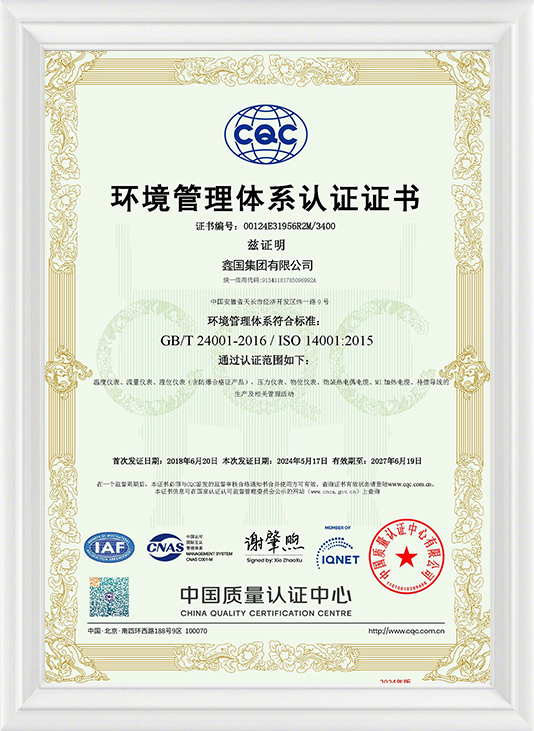
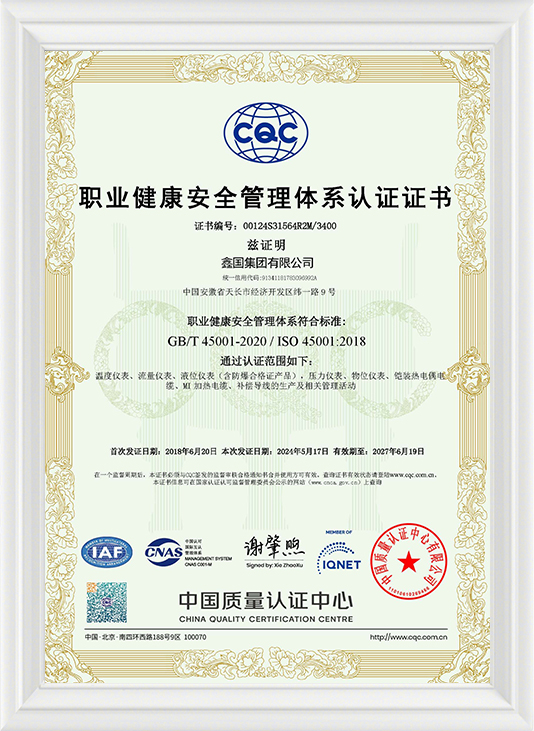
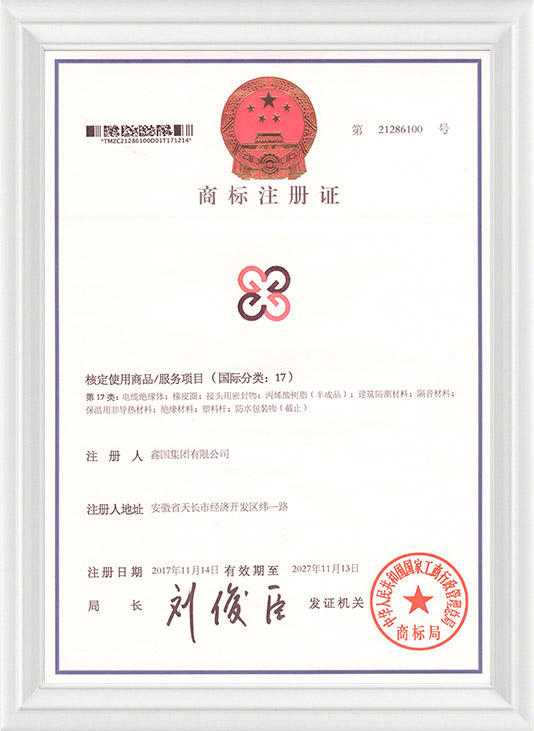
Alloy wire, once installed inside a sensor, resistor or heating element, benefits from a small set of consistent handling practices that help preserve its performance over time. Wire that has operated near its rated maximum temperature should be inspected periodically for surface oxidation, discoloration or brittleness, since these signs typically indicate that the material is approaching the end of its practical service life. Thermocouple and compensation wire junctions should be kept clean and mechanically secure, since a loose or contaminated connection can introduce measurement error even when the wire itself remains in good condition. Precision resistance windings made from manganese-copper alloy should be protected from unnecessary mechanical strain, since deformation of the wire itself can alter its resistance value independently of any temperature effect. During manufacturing, alloy wire should be drawn and annealed under controlled conditions to maintain a consistent grain structure and diameter tolerance along its full length, since inconsistencies introduced during production tend to show up later as localized hot spots or resistance variation in the finished component. Xinguo Group Co., Ltd. was founded in 1997 and is based in Tianchang City, Anhui Province, where it has built long-running production capability across temperature instruments, alloy wire and related cable products. Over the years the company has focused specifically on the research, production and consistent quality control of thermocouple alloy wire, thermocouple compensation wire, precision resistance alloy and corrosion-resistant nickel-copper wire, alongside platinum-rhodium wire for the most demanding high-temperature sensing needs. This background in controlled drawing, annealing and alloy composition control is what allows Xinguo Group Co., Ltd. to support customers who need consistent raw wire quality across large or long-running manufacturing projects in power, petrochemical, instrumentation, metallurgy and aerospace-related industries. Buyers working on a new project are welcome to describe their specific temperature range, corrosion exposure and precision requirements so that the most suitable alloy wire family can be matched to the application from the outset.
Thermocouple wire is the sensing element itself, positioned at the point of temperature measurement, while compensation wire is designed to replicate the same thermoelectric output over a long cable run so the signal can travel back to a control instrument without introducing measurement error.
Platinum-rhodium wire resists oxidation and structural degradation at extreme sustained temperature far better than base-metal alloys such as iron, nickel or chromium pairings, which allows it to remain accurate in environments that would quickly damage a standard thermocouple.
Type N is generally selected when a process runs continuously at sustained high temperature and long-term output stability matters more than the modestly lower material cost of Type K wire, while Type K remains a practical general-purpose choice for most industrial monitoring points.
Yes, certain alloy wire compositions are engineered to be non-magnetic specifically for use in precision instruments and research equipment where magnetic interference would compromise accuracy.
Yes, alloy wire diameter, temper and cable configuration can typically be adjusted to fit a specific project, and Xinguo Group Co., Ltd. works directly with customers to match wire specifications to their intended sensing or structural application.
Wire operating near its rated maximum temperature should be inspected more frequently than wire operating well within normal limits, since surface oxidation and connection wear tend to accelerate once a sensing point has spent extended time close to its temperature ceiling.



 INQUIRY
 English
 عربى
عربى русский
 中文简体
中文简体