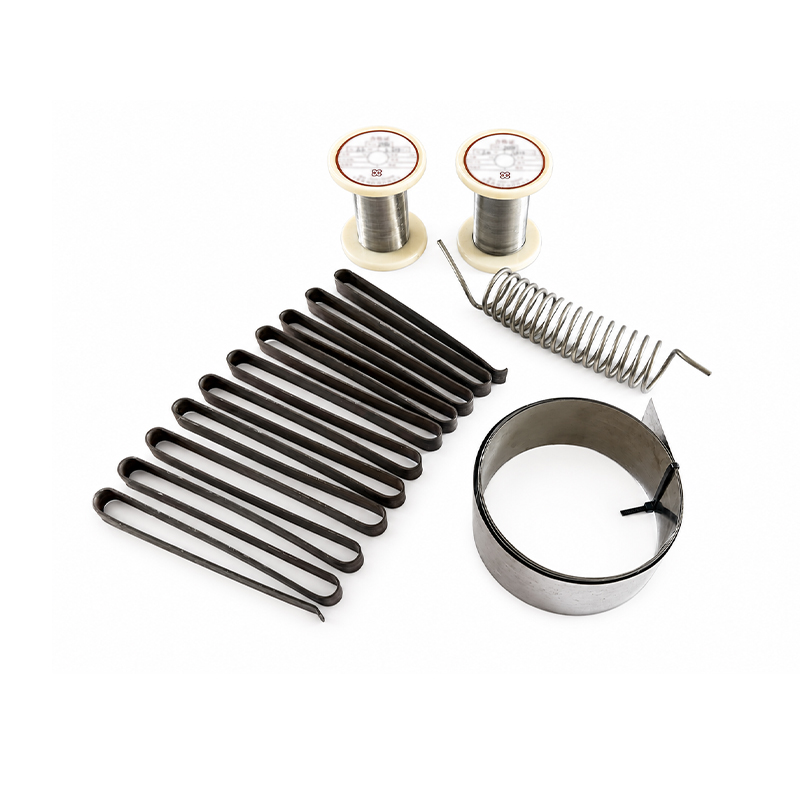
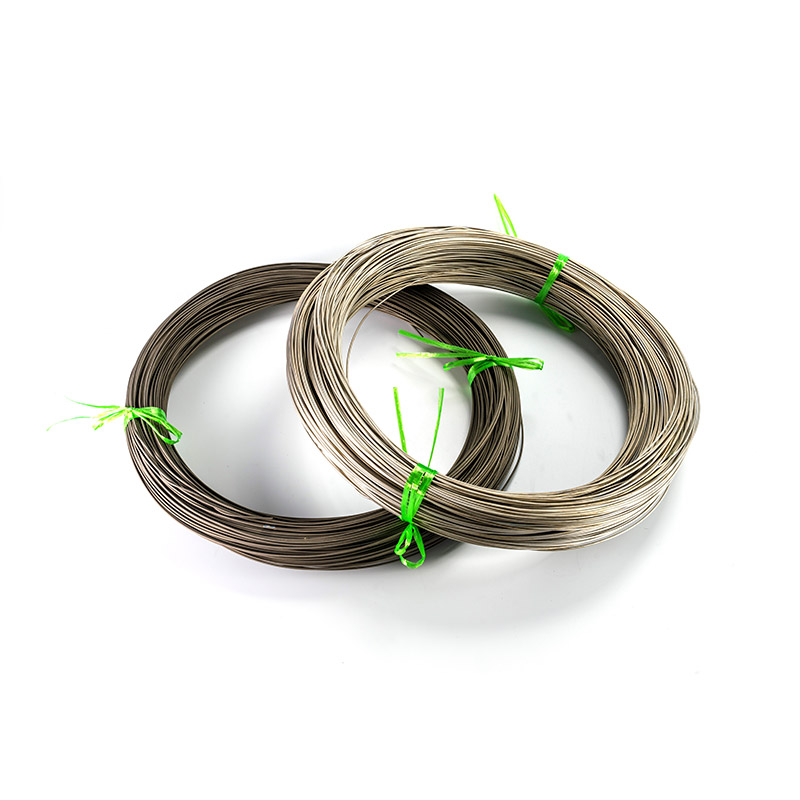
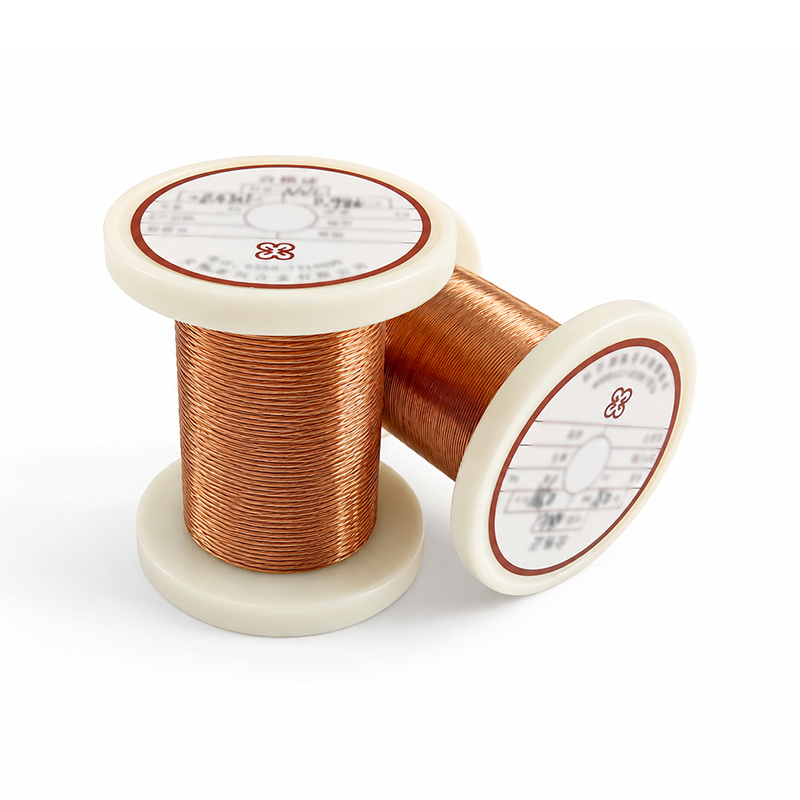
Thermocouple compensating wire alloy wire
Home / Product / Alloy wire / Thermocouple compensating wire alloy wire
  • Thermocouple compensating wire alloy wire
  • Thermocouple compensating wire alloy wire

Thermocouple compensating wire alloy wire

Product Introduction
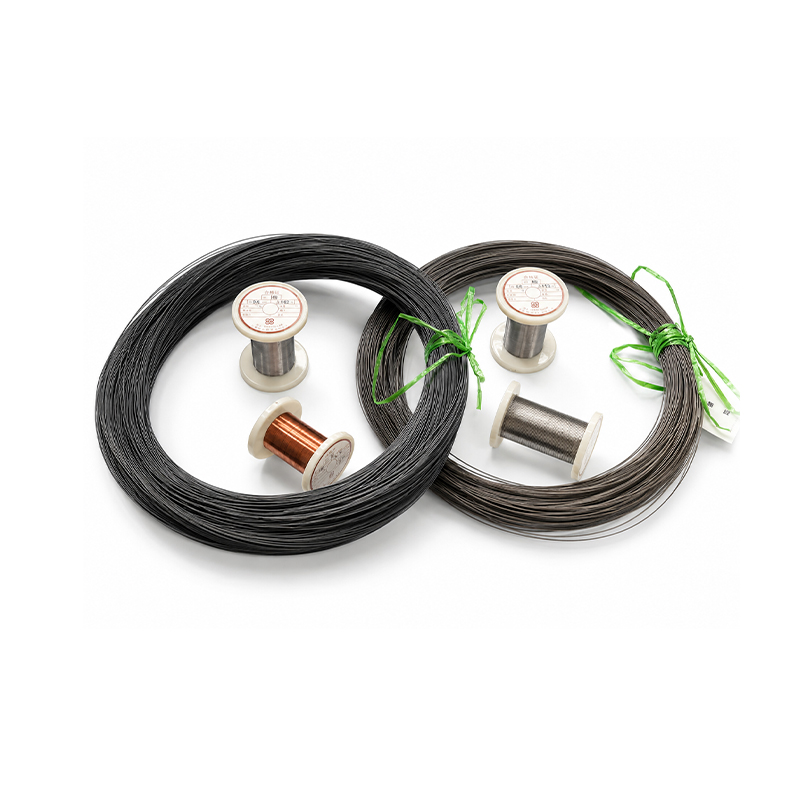
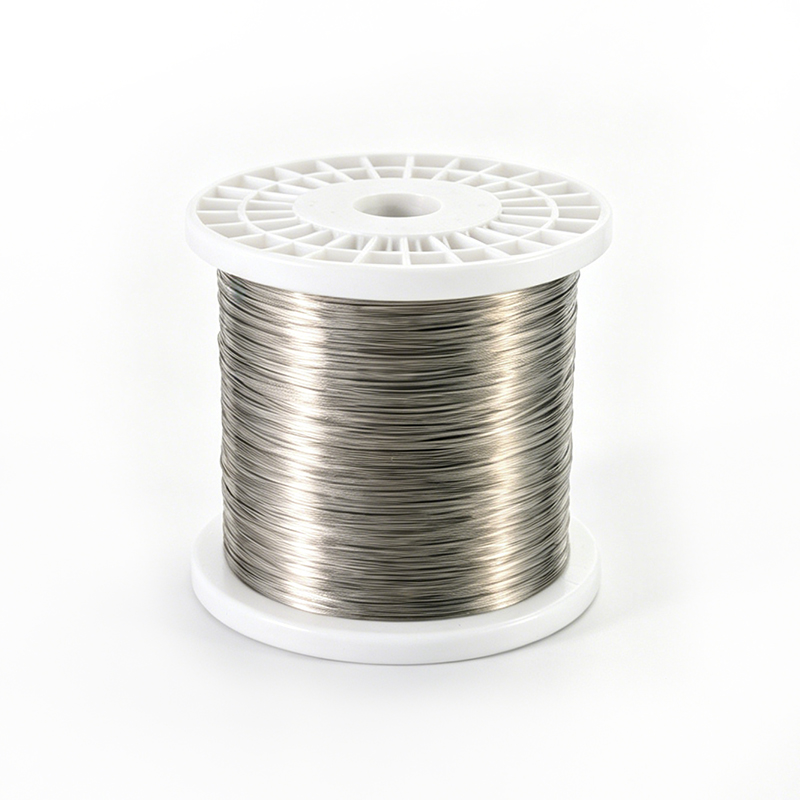
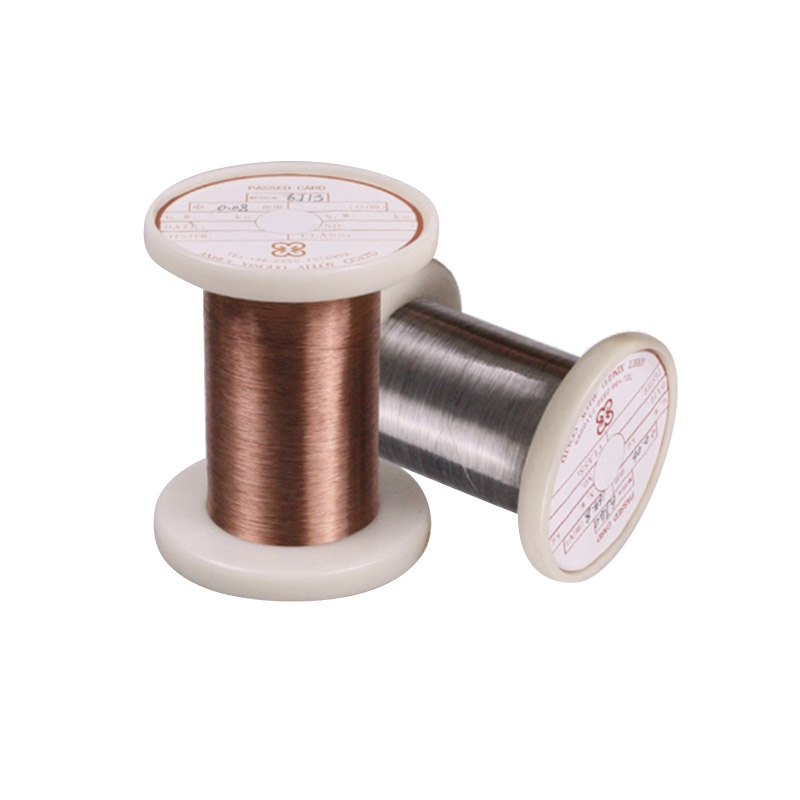
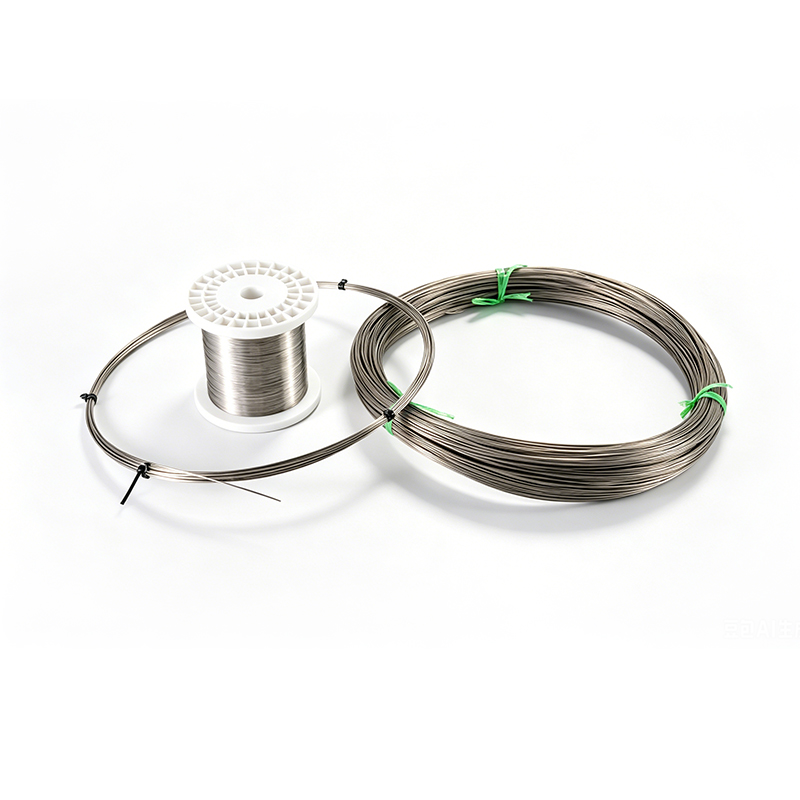
Alloy wire for thermocouple compensating cables is a core conductive material for industrial temperature measurement systems, used as the alloy conductor for manufacturing compensating cables. Made from nickel, chromium, silicon, copper and other metals with precise proportioning, it features low thermoelectric drift, high oxidation resistance, acid and alkali corrosion resistance, good flexibility and weldability. It can accurately transmit thermocouple thermoelectromotive force, compensate cold-end temperature errors, and ensure stable temperature measurement.

Applications & Instructions
1. Power Industry
Temperature monitoring and signal transmission for boilers, steam turbines, generator sets and other equipment in thermal power plants.

2. Petrochemical Industry
High, medium and low temperature measurement systems for oil refining units, reaction kettles, heating furnaces, pipelines and storage tanks.

3. Metallurgy & Steel
Temperature detection under high-temperature working conditions such as blast furnaces, converters, annealing furnaces, heat treatment furnaces and continuous casting lines.

4. Building Materials & Cement
Temperature signal transmission for cement rotary kilns, preheaters, kiln inlet / kiln ends and various industrial kilns.

5. Machinery Manufacturing
Temperature measurement for heat treatment equipment, forging, casting, welding equipment, industrial ovens and drying equipment.

6. HVAC & Automation
Temperature collection for central air conditioning, industrial heat exchange equipment, DCS control systems and instrument control cabinets.

Instructions
Connect one end firmly to the thermocouple cold end, and the other end to temperature instruments, transmitters or acquisition modules. Connections should be crimped, welded or fixed with special terminals to ensure good contact.

Core Advantage Specification

Q1: Can compensating alloy wires of different types be mixed?
A1: No. Compensating alloy wires of K, E, J, T, N and other types have different compositions and thermoelectric characteristics. Mixing will cause serious temperature measurement errors. They must be matched with the corresponding type of thermocouple.

Q2: What happens if positive and negative poles are reversed?
A2: It will cause reverse superposition of thermoelectromotive force, resulting in seriously low or fluctuating temperature display. Long-term reversal may also affect the stability of instrument readings. The positive and negative poles must be distinguished by color codes during wiring.

Q3: Can compensating alloy wire be used as ordinary power wire?
A3: No. It is an alloy material designed specifically for thermoelectric signal transmission. Its conductivity and current-carrying capacity are different from ordinary wires. It is only suitable for temperature signal circuits and cannot be used for power supply lines.

Q4: What is the effect of excessively high ambient temperature?
A4: Exceeding the allowable operating temperature (usually ≤200°C) will cause oxidation of the alloy wire, drift of thermoelectric characteristics, insulation aging, and even direct failure, making temperature measurement accuracy unguaranteed.

Q5: Can the alloy wire still be used with slight surface oxidation?
A5: Slight oxidation generally does not affect use. If serious oxidation, blackening, embrittlement or peeling occurs, it will cause poor contact and unstable signals. Replacement is recommended in time.
EMF of compensating wire and the tolerance
Thermo couple No.indexing Compensating And extension Wire type Usage Classif ication Messuring junction temperture ℃ Standard EMF Value μV Precisiongrade Generallevel

Tolerance μV

Thermal EMF range μV Tolerance μV Thermal EMF range μV
S or R SC or RC G 100 646 ±30 616~676 ±60 586~706
H 100 646 ±60 586~706
200 1441 ±60 1381~1501
K KX, KCA or KCB G -25 -968 ±44 -924~-1012 ±88 -880~-1056
100 4096 ±44 4052~4140 ±88 4008~4184
H -25 -968 ±44 -924~-1012 ±88 -880~-1056
100 4096 ±44 4052~4140 ±88 4008~4184
200 8138 ±88 8050~8226
N NX or NC G -25 -646 ±43 -603~-689 ±86 -560~-732
100 2774 ±43 2731~2817 ±86 2688~2860
H -25 -646 ±43 -603~-689 ±86 -560~-732
100 2774 ±43 2731~2817 ±86 2688~2860
200 5913 ±86 5827~5999
E EX G -25 -1432 ±81 -1351~-1513 ±138 -1294~-1570
100 6319 ±81 6238~6400 ±138 6181~6457
H -25 -1432 ±81 -1351~-1513 ±138 -1294~-1570
100 6319 ±81 6238~6400 ±138 6181~6457
200 13421 ±138 13283~13559
J JX G -25 -1239 ±62 -1177~-1301 ±123 -1116~-1362
100 5269 ±62 5207~5331 ±123 5146~5392
H -25 -1239 ±62 -1177~-1301 ±123 -1116~-1362
100 5269 ±62 5207~5331 ±123 5146~5392
200 10779 ±123 10656~10902
T TX G -25 -940 ±30 -910~-970 ±60 -850~-1000
100 4279 ±30 4249~4309 ±60 4189~4339
H -25 -940 ±48 -892~-988 ±90 -850~-1030
100 4279 ±48 4231~4327 ±90 4189~4369
200 9288 ±90 9198~9378

Compensating wire type Reciprocating resistanceat 20℃ Ω/m (less than)
0.2mm² 0.5mm² 1.0mm² 1.5mm² 2.5mm²
SC or RC 0.25 0.1 0.05 0.03 0.02
KCA 3.5 1.4 0.7 0.47 0.28
KCB 2.6 1.04 0.52 0.35 0.21
KX 5.5 2.2 1.1 0.73 0.44
EX 6.25 2.5 1.25 0.83 0.5
JX 3.25 1.3 0.65 0.43 0.26
TX 2.6 1.04 0.52 0.35 0.21
NC 3.75 1.5 0.75 0.5 0.3
NX 7.15 2.86 1.43 0.95 0.57