 INQUIRY
 English
 عربى
عربى русский
 中文简体
中文简体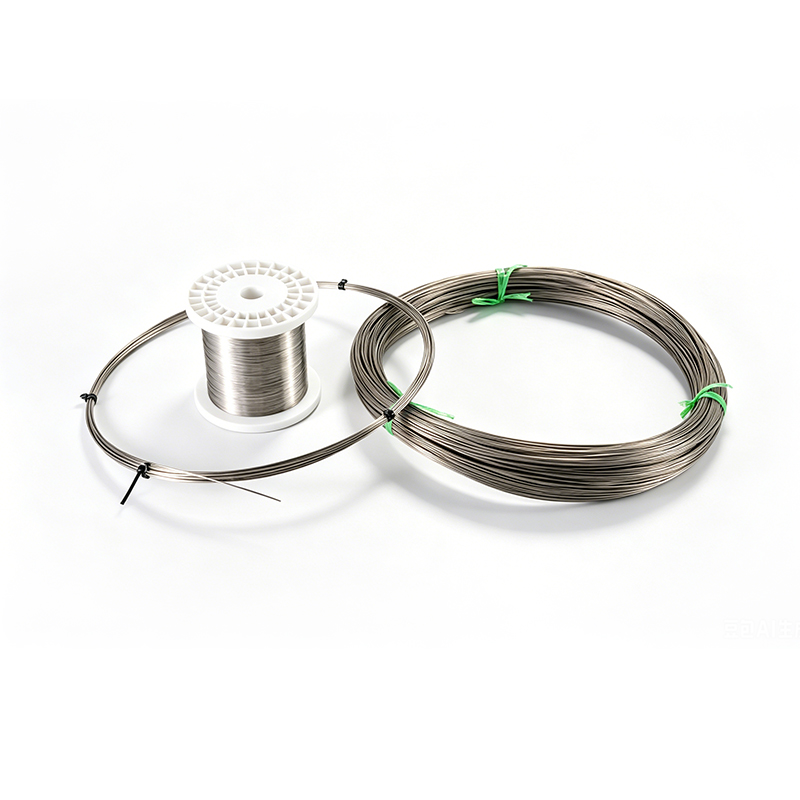

Q1: What is the most prominent feature of Monel alloy wire?
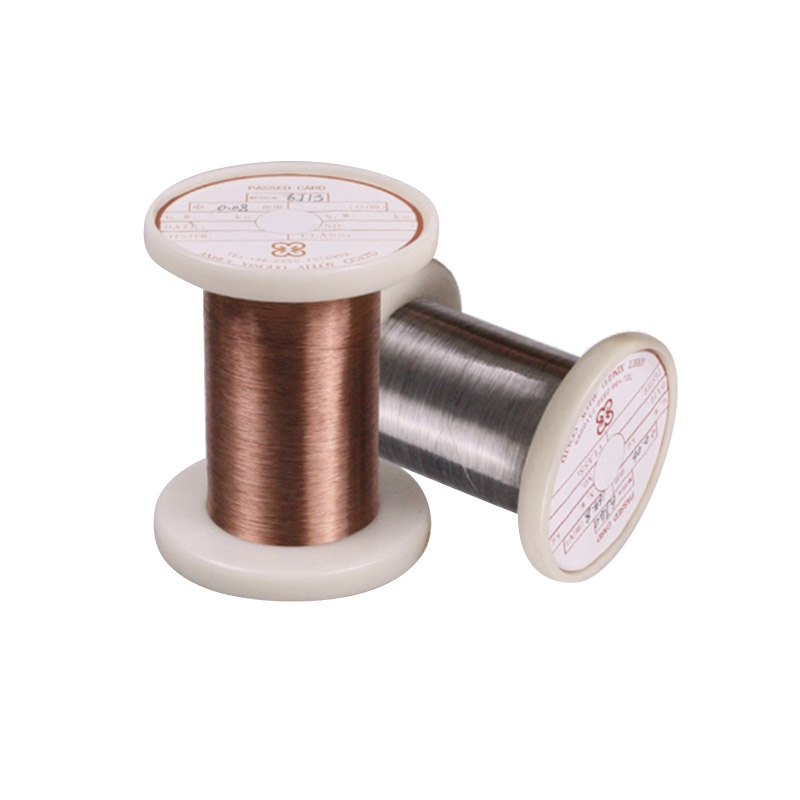
A1: It combines high strength and excellent toughness, with outstanding corrosion resistance in seawater, acid, alkali, hydrofluoric acid and other corrosive media. It also has good heat resistance and creep resistance.
Q2: What is the difference between Monel 400 and Monel K-500 wire?
A2: Monel 400 focuses on corrosion resistance, with good toughness and easy processing. Monel K-500 is age‑hardened for higher strength, hardness and wear resistance, suitable for more demanding high-strength applications.
Q3: Can Monel alloy wire be used as a heating wire?
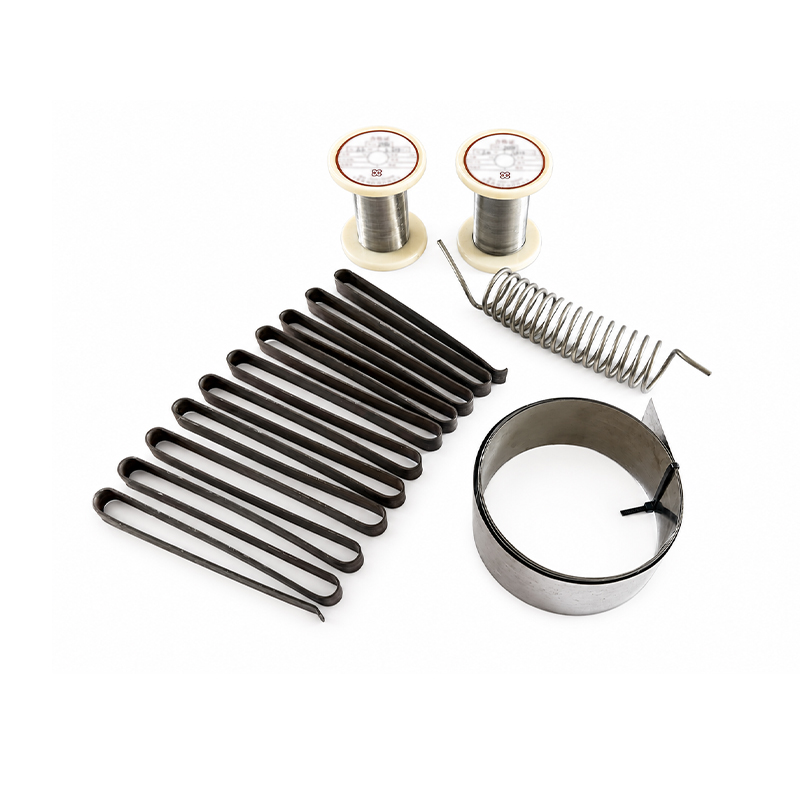
A3: It can be used as a heating element in medium‑temperature and corrosive environments, with better corrosion resistance than ordinary electric heating alloys. However, its resistivity is relatively low, so it is not the first choice for conventional high-power heating.
Q4: Can Monel wire be used for thermocouples or compensating wires?
A4: It can replace compensating wires in harsh corrosive environments, but is not recommended for direct use as thermocouple electrodes. It can also serve as signal wires and structural parts in high-temperature and corrosive conditions, providing both conductivity and corrosion protection.
Q5: What is the difference between Monel alloy wire and stainless steel wire?
A5: Monel has far better resistance to hydrofluoric acid, seawater and salt corrosion than common stainless steel, along with better low‑temperature toughness. However, it is more costly and has a higher density.