For continuous industrial temperature measurement above 1000 deg C in clean or mildly reducing atmospheres, a Platinum-Rhodium Thermocouple (Type S, Type R, or Type B) delivers the most stable and repeatable output over long service intervals. For processes where the sensing tip is exposed to abrasive particulates, molten media splash, or mechanical erosion at moderate-to-high temperatures, a Wear-resistant Sheathed Thermocouple built on a base-metal element with a hardened or ceramic-protected sheath is generally the more practical choice, since it trades a small amount of accuracy for substantially longer mechanical survival. A standard Sheathed Thermocouple using mineral-insulated construction sits between these two options and remains the default for general-purpose process monitoring where neither extreme accuracy nor extreme abrasion resistance is the dominant requirement.
The choice ultimately depends on three variables that recur across almost every industrial temperature measurement project: the maximum process temperature, the physical and chemical aggressiveness of the environment around the sensing tip, and the accuracy class required by downstream process control. This article works through the common types of thermocouple wire and thermocouple assemblies used in industrial furnaces, kilns, reactors, and metal processing lines, explains how sheathed and wear-resistant constructions are built, and provides a practical selection and maintenance framework that engineers and procurement teams can apply directly.
Key takeaway: Platinum-rhodium elements prioritize accuracy and high-temperature stability, wear-resistant sheathed designs prioritize mechanical survival, and the correct choice depends on matching sheath material and element type to the specific abrasion, atmosphere, and temperature profile of the process.
Common Types and Characteristics of Industrial Thermocouples
Industrial thermocouples fall into a small number of families, each built from a specific pair of alloys joined at a measuring junction. Noble-metal types built from platinum and platinum-rhodium alloys are grouped together because they share a common resistance to oxidation and a stable thermoelectric output at very high temperatures. Base-metal types, by contrast, are built from nickel-chromium, nickel-aluminum, iron, copper, or constantan alloys, and are far more common in general industrial service because of their mechanical toughness and lower material cost relative to noble metals.
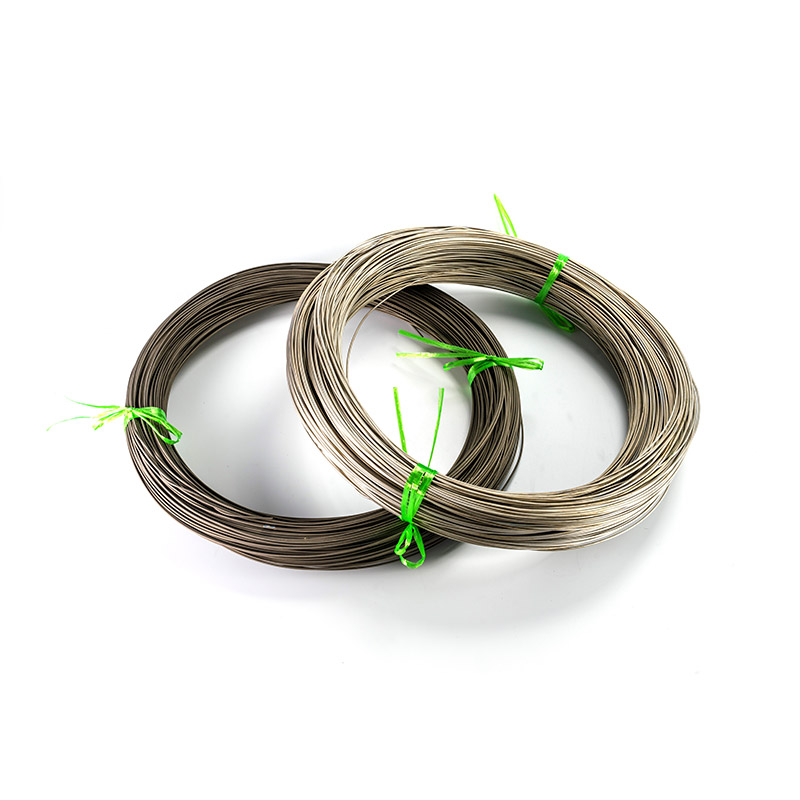
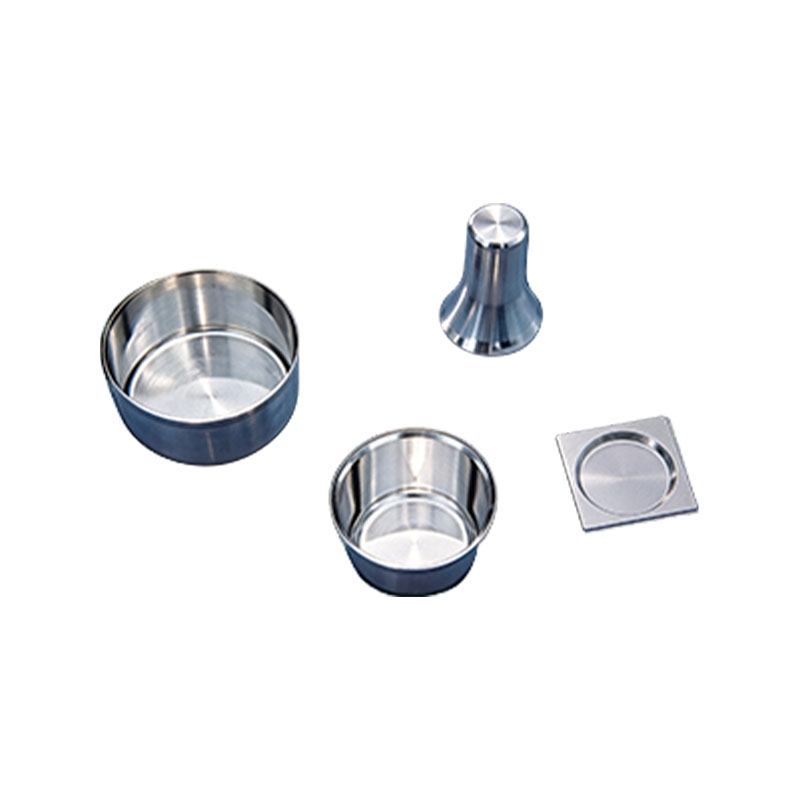
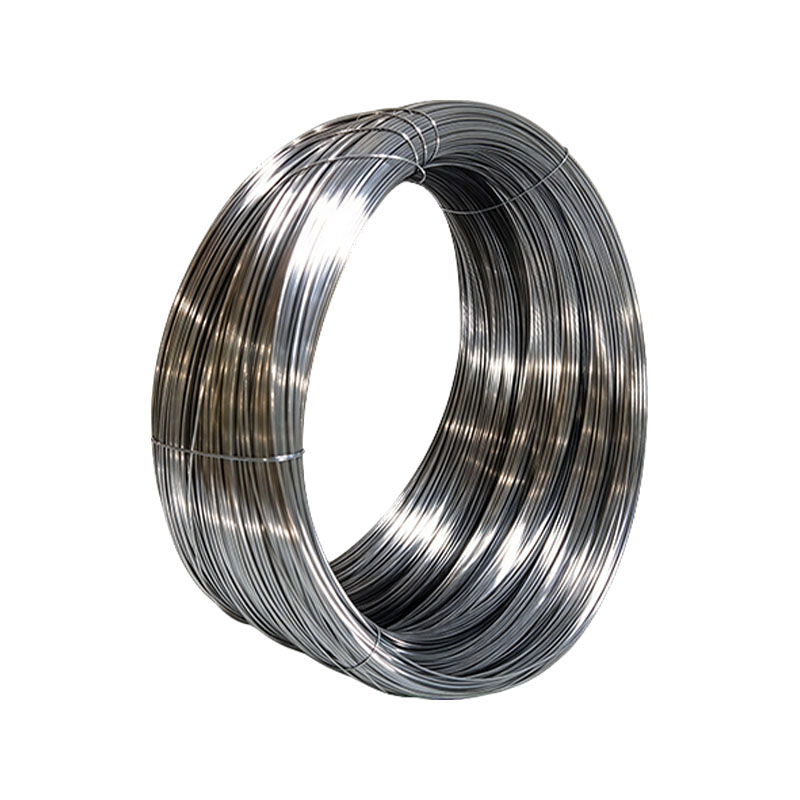
A Platinum-Rhodium Thermocouple pairs pure platinum with a platinum-rhodium alloy wire, most commonly in the Type S (90 percent platinum / 10 percent rhodium), Type R (87 percent platinum / 13 percent rhodium), or Type B (70 percent platinum / 30 percent rhodium paired with 94 percent platinum / 6 percent rhodium) configurations. These constructions are widely used as reference-grade and calibration-grade sensors because platinum-rhodium alloys resist oxidation and maintain a highly linear, drift-resistant electromotive force output across their working range, which is why national calibration laboratories frequently rely on Type S assemblies for temperature standards.
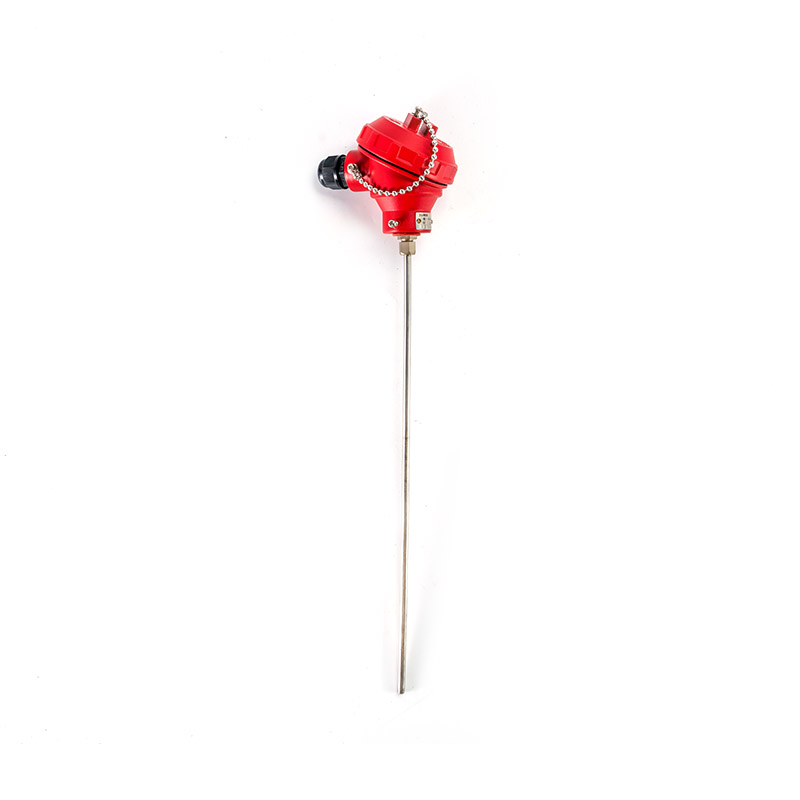
A Sheathed Thermocouple refers to the mechanical construction rather than the alloy: the sensing element and its compacted mineral insulation, typically magnesium oxide, are drawn into a metal outer tube, forming a solid, flexible, moisture-resistant assembly commonly called mineral-insulated or MI cable construction. This sheathing method can be applied to base-metal elements such as Type K and Type N, or to noble-metal elements such as Type S and Type R, and is chosen whenever the bare wire junction would otherwise be too fragile or too exposed for the installation.
A Wear-resistant Thermocouple is a sheathed assembly engineered specifically for mechanical survival in abrasive or erosive service, typically using a thicker sheath wall, a hardened alloy such as Inconel or a cobalt-based wear alloy, or a ceramic-tipped protection tube fitted over the measuring end. These designs are common in cement kilns, coal-fired boilers, rotary calciners, and metal casting lines where solid particulates or molten splash repeatedly strike the sensing tip during normal operation.
Common industrial thermocouple types referenced against typical maximum continuous operating temperature and accuracy class.
Type
Element Material
Typical Max Continuous Temp (deg C)
Common Accuracy Class
Typical Application
Type S (Pt-Rh)
Pt / Pt-10Rh
1600
Class 1
Calibration reference, glass and ceramic kilns
Type R (Pt-Rh)
Pt / Pt-13Rh
1600
Class 1
Steel and non-ferrous melt monitoring
Type B (Pt-Rh)
Pt-6Rh / Pt-30Rh
1700
Class 2
Extreme high-temperature furnace zones
Wear-resistant Sheathed
Type K/N with hardened or ceramic tip
1200
Class 2
Cement kilns, coal boilers, casting lines
Standard Sheathed (MI)
Type K/N/J base metal
1100
Class 2
General process monitoring
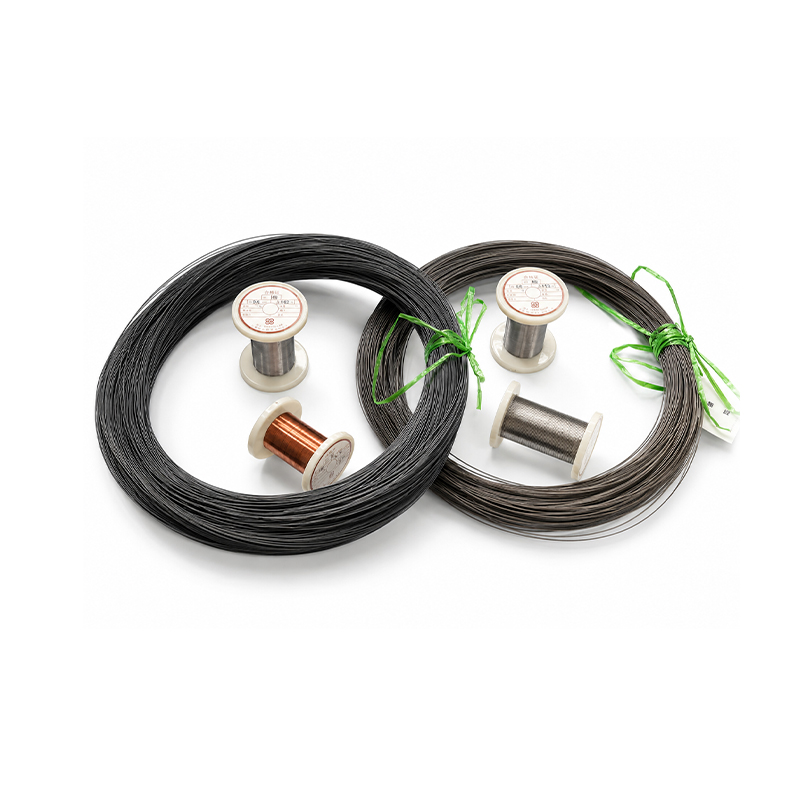
Wire gauge and diameter also factor into type selection, since a thinner platinum-rhodium wire responds faster but has a shorter usable life at extreme temperature than a heavier gauge of the same alloy pair, which is why calibration laboratories and industrial furnace suppliers often stock more than one gauge of the same thermocouple type rather than a single default size. Procurement teams evaluating a Platinum-Rhodium Thermocouple manufacturer or a Thermocouple Wire supplier for a recurring order should confirm which gauges and sheath diameters are held as standard stock versus produced to order, since custom diameters and OEM sheath lengths generally require longer lead times than standard catalog configurations. Buyers sourcing at volume, whether through a direct factory relationship or a wholesale distribution channel, typically request a certificate of conformance and batch test data alongside each shipment so that incoming inspection can confirm the delivered wire matches its stated type and tolerance class before it is installed into finished sensor assemblies.
Key takeaway: Type B platinum-rhodium elements reach the highest continuous temperature ratings among common industrial thermocouples, while wear-resistant sheathed designs trade some temperature headroom for a sheath built to survive mechanical and particulate abrasion.
Working Principle and Structure of Sheathed and Wear-resistant Thermocouples
Every thermocouple relies on the Seebeck effect: when two dissimilar conductors are joined at one end and that junction is held at a different temperature than the open ends, a small, temperature-dependent voltage appears across the open ends. In a Platinum-Rhodium Thermocouple, this voltage is produced by joining pure platinum wire to a platinum-rhodium alloy wire, and because both legs resist oxidation at high temperature, the relationship between temperature and output voltage stays close to its calibrated curve for a long service life.
In a practical sheathed assembly, the two thermocouple wires are not left bare. They are positioned inside a metal outer tube, most commonly stainless steel or a nickel-chromium alloy such as Inconel, and the annular space around the wires is packed with compacted magnesium oxide powder. This powder acts as an electrical insulator while also conducting heat efficiently to the junction and providing mechanical support that lets the finished assembly be bent, formed, and installed without breaking the internal wires. The tube is then swaged and drawn down to its final outside diameter, which compresses the mineral insulation into a dense, moisture-resistant, gas-tight structure.
A Wear-resistant Thermocouple begins from this same mineral-insulated construction but adds mechanical protection at the tip, where erosion damage actually occurs. Common approaches include increasing the sheath wall thickness at the measuring end, selecting a harder alloy such as a cobalt-based or tungsten-carbide-faced material for the outer few centimeters, or fitting a separate ceramic or metal-ceramic composite protection tube over the sheathed element so that the tube, rather than the thermocouple itself, absorbs particulate impact and can be replaced independently. The measuring junction sits at the closed tip inside this protective structure, the mineral insulation fills the remaining internal volume, and the assembly transitions to standard extension wiring at a connection head or terminal block outside the hot zone.
Structure of a Wear-resistant Sheathed Thermocouple Assembly
The diagram above illustrates the essential zones of a sheathed thermocouple: a hardened or ceramic-faced wear-resistant tip at the hot end, the measuring junction sealed inside that tip, compacted mineral insulation running the full length of the sheath to support and insulate the internal wires, the outer metal sheath that gives the assembly its mechanical flexibility and gas-tightness, and a connection head at the cold end where the internal wire pair transitions to extension or compensating cable. This same layered structure applies whether the internal element is a base-metal pair such as Type K or a noble-metal pair such as Type S, which is why Thermocouple Wire selection and sheath selection are treated as two separate engineering decisions rather than a single fixed product choice.
Key takeaway: The sheath, insulation, and tip protection determine mechanical survival, while the internal wire pair determines accuracy and maximum temperature rating, so these two aspects should be specified independently for each application.
Application Scenarios and Selection Guide
Selecting between a Platinum-Rhodium Thermocouple and a Wear-resistant Thermocouple starts with identifying which failure mode is more likely to end the sensor's service life first: gradual electromotive force drift from oxidation and grain growth, or sudden mechanical loss of the tip from abrasion, erosion, or impact. The table below outlines where each construction is typically specified.
Platinum-Rhodium Thermocouple Fits Best
Steel, glass, and non-ferrous melt temperature measurement above 1300 deg C
Laboratory calibration references and secondary standards work
Ceramic sintering kilns and technical glass forming furnaces
Processes requiring Class 1 accuracy over long uninterrupted campaigns
Wear-resistant Sheathed Thermocouple Fits Best
Rotary cement and lime kilns with dust and clinker particulate flow
Coal and biomass-fired boiler flue gas paths
Metal casting, sand reclamation, and continuous casting lines
Fluidized bed reactors with continuous particle bombardment
Beyond the two extremes, several practical variables should be checked before finalizing a specification. The furnace or process atmosphere matters because platinum-rhodium elements are sensitive to contamination from silicon, phosphorus, and certain reducing gases, which can shorten their effective life even though the alloy itself resists oxidation. Insertion depth and process velocity matter because a sheath exposed to fast-moving particulate or molten flow will experience more erosive wear per hour than the same sheath in a static or slow-moving zone. Response time requirements matter because a thinner sheath and smaller diameter respond faster to temperature changes but generally sacrifice some mechanical robustness, so control loops that need fast response may need a compromise sheath diameter rather than the thickest wear-resistant option available.
Extension and compensating wire compatibility is another frequent selection error. A Thermocouple Wire extension run must match the thermoelectric characteristics of the sensing element, using genuine compensating cable for platinum-rhodium types and standard extension-grade wire for base-metal types, since a mismatched extension cable introduces additional junction errors at every connection point along the run, independent of how accurate the sensing tip itself is.
Across industrial sectors, the same underlying selection logic tends to repeat with only minor variation. Glass manufacturing and technical ceramics production typically favor platinum-rhodium elements for tank and kiln zones where accuracy directly affects product consistency. Cement, lime, and mineral processing plants typically favor wear-resistant sheathed designs because particulate loading is a constant feature of the process rather than an occasional condition. Power generation and waste-to-energy facilities often use a mix of standard sheathed thermocouples in cooler zones and wear-resistant or corrosion-resistant sheaths in flue gas and ash-handling areas. Metal casting and continuous casting operations frequently combine both approaches within a single line, using standard sheathed sensors for furnace atmosphere monitoring and wear-resistant or expendable-tip assemblies for direct immersion into molten metal.
Key takeaway: Match the sensing element to the required accuracy class and atmosphere, match the sheath and tip design to the mechanical severity of the installation, and always pair the assembly with the correct compensating or extension wire type.
Detailed Comparison: Temperature Range Across Thermocouple Constructions
Maximum continuous operating temperature is usually the first filter engineers apply when narrowing down a thermocouple specification, since it immediately eliminates constructions that cannot survive the process at all. The chart below compares typical maximum continuous operating temperatures across the five construction families introduced earlier in this article. These figures represent commonly referenced industrial ratings for continuous service rather than brief overtemperature excursions, which most sheath materials and element alloys can tolerate for only short periods. Reading from top to bottom, the chart moves from general-purpose base-metal constructions toward the noble-metal Type B element, which carries the highest continuous rating of the group. Sheath material, not just element type, also influences the practical ceiling, since a thin stainless steel sheath will typically soften before a thicker Inconel or wear-resistant alloy sheath at the same nominal element rating.
The chart shows a clear separation between base-metal constructions, which cluster in the 1100 to 1200 deg C range, and platinum-rhodium constructions, which extend to 1600 and 1700 deg C. Type B stands out as the highest-rated common industrial thermocouple, which is why it is frequently specified for the hottest zones of glass tanks and high-temperature research furnaces despite its comparatively lower accuracy class relative to Type S and Type R. Wear-resistant sheathed designs and Type N base-metal elements sit at a similar temperature ceiling near 1200 deg C, which means the decision between them usually comes down to abrasion resistance rather than temperature headroom, since neither offers a meaningful advantage over the other once particulate wear becomes the dominant concern. Standard sheathed constructions using Type K elements remain the most common choice for general industrial monitoring precisely because 1100 deg C covers a large share of everyday process temperatures without requiring noble-metal cost or specialized wear protection.
It is worth noting that the maximum continuous rating of any sheathed assembly is also bounded by the sheath material itself, not only the internal element, so a Type S element drawn into a standard stainless steel sheath will typically be limited by the sheath long before the platinum-rhodium wire itself becomes the limiting factor. For this reason, high-temperature platinum-rhodium assemblies intended for continuous service near 1600 deg C are usually specified with a heavy-wall noble-metal or ceramic-protected sheath rather than a thin general-purpose stainless tube. Procurement specifications should therefore always state both the element type and the sheath material together, since quoting only one of the two leaves the maximum operating temperature ambiguous. This is also why Thermocouple Wire data sheets typically list separate temperature limits for the bare wire, the compacted sheath assembly, and the recommended continuous-service ceiling, which can differ from one another by a meaningful margin depending on installation conditions.
Chart values represent commonly referenced industrial temperature classifications for the listed thermocouple types and are intended as a general comparative guide rather than a certified test result for any specific product batch.
Key takeaway: Platinum-rhodium elements extend the usable temperature range well beyond base-metal and wear-resistant sheathed designs, but the sheath material must be matched to the element rating for the assembly to actually reach its full temperature ceiling.
Performance Metrics Across Thermocouple Configurations
Temperature rating alone does not fully describe how a thermocouple will perform in service, since accuracy, wear resistance, corrosion resistance, mechanical strength, high-temperature stability, and response time all trade off against one another depending on the construction chosen. The radar chart below plots relative performance across these six dimensions for the three construction families discussed in this article, using a qualitative 0 to 10 relative scale rather than absolute laboratory measurements, so that the shape of each profile can be compared at a glance. A wider, more balanced shape indicates a construction with fewer weak points, while a narrow shape stretched toward one or two axes indicates a construction optimized for a specific requirement at the expense of others.
The platinum-rhodium profile extends furthest along the accuracy and high-temperature stability axes, reflecting the alloy's low drift rate and its long history as a reference-grade sensing material, but it pulls in noticeably on the wear resistance axis, since the relatively soft noble-metal wire and typically thinner sheath used with these elements are not designed to withstand sustained particulate impact. The wear-resistant sheathed profile shows the opposite pattern, reaching furthest on wear resistance and mechanical strength while giving up some ground on accuracy and high-temperature stability relative to the noble-metal option, which is the direct result of using a hardened base-metal element and a thicker protective sheath. The standard sheathed profile sits in a more moderate, rounded position across most axes, with a notable strength in response time, since general-purpose sheaths are frequently supplied in smaller diameters that respond faster to temperature changes than heavier wear-resistant or noble-metal constructions.
Corrosion resistance is the one dimension where all three profiles converge to a similar level, which reflects the fact that both platinum-rhodium alloys and the nickel-chromium or cobalt-based alloys used in wear-resistant sheaths were originally developed with oxidation and corrosion resistance as a primary design goal, even though they achieve it through different metallurgical routes. Reading the three profiles together suggests a practical rule of thumb: when a process genuinely needs both high accuracy and high wear resistance at the same time, such as a continuous casting tundish with both erosive flow and tight process control requirements, neither single-profile construction fully satisfies the specification, and a composite design combining a noble-metal element with a ceramic or metal-ceramic wear-resistant protection tube is generally the more appropriate engineering solution rather than a compromise on either dimension.
Radar chart values represent a qualitative relative comparison intended to illustrate typical trade-offs between construction types rather than measured test data for a specific product.
Common Sheath and Element Configurations
The following configurations illustrate how sheath diameter, sheath material, and element type are commonly combined to target a specific balance of accuracy, response time, and mechanical durability.
3mm Inconel 600Small diameter for fast response in general process monitoring with moderate corrosion exposure.4.5mm 310S StainlessBalanced diameter with good oxidation resistance for boiler and heat treatment furnace zones.6mm Tungsten Carbide TipHardened tip section for direct exposure to particulate flow in kiln and calciner installations.8mm Ceramic-lined SheathHeaviest wear-resistant option for continuous casting and molten metal splash zones.Type S Element, MI ConstructionNoble-metal element in mineral-insulated form for accuracy-critical high-temperature service.
Key takeaway: No single construction maximizes every performance dimension at once, so configurations should be selected by ranking which two or three metrics matter most for the specific installation rather than searching for one universally superior option.
Calibration Accuracy and Tolerance Classes
Thermocouple accuracy is formally described through tolerance classes defined in standards such as IEC 60584-1, which set the maximum permissible deviation between the actual output of a thermocouple and its standard reference curve. Class 1 tolerance is the tighter of the two classes commonly specified for Type S, Type R, and Type B assemblies, and is generally selected for calibration reference duties and processes where small temperature errors have a meaningful cost, while Class 2 tolerance is more commonly specified for general industrial service, including most wear-resistant sheathed and standard sheathed assemblies. Manufacturing quality control for noble-metal elements typically targets a high conformance rate to the specified tolerance class before an element is released for shipment, since even small variations in alloy composition or junction formation can shift the output curve outside the allowed band.
The gauge above illustrates the general concept of tracking tolerance-class conformance as a production quality metric, showing a needle positioned at a high conformance level consistent with the kind of target that noble-metal element production commonly aims for before release. In practice, individual batches are checked against the IEC 60584-1 reference tables at multiple temperature points across the working range, since a thermocouple can conform closely at one temperature while drifting outside tolerance at another, particularly near the upper end of its rated range where thermoelectric behavior becomes more sensitive to small compositional variations. Elements that fail to conform at any checked point are typically re-annealed, re-tested, or reclassified into the wider Class 2 tolerance band rather than the tighter Class 1 band, depending on the size of the deviation observed.
For buyers, the practical implication is that specifying Class 1 tolerance on a purchase order is only meaningful if the supplier can demonstrate a testing process that actually verifies conformance at relevant temperature points, rather than assuming conformance from alloy composition alone. Reviewing a supplier's calibration and testing documentation, including which reference points were checked and what testing equipment was used, is a reasonable due diligence step before committing to large-volume orders of Platinum-Rhodium Thermocouple elements for accuracy-critical applications.
Gauge value is illustrative of a typical quality-control conformance target and does not represent a specific certified test result.
Key takeaway: Tolerance class conformance should be verified through documented multi-point testing against IEC 60584-1 reference tables rather than assumed from the stated element type alone.
Long-term Stability and Drift Performance
Even a correctly manufactured thermocouple does not maintain perfectly constant output over its entire service life, because continuous exposure to high temperature gradually changes the internal grain structure and, in some cases, the surface composition of the wire. This phenomenon, generally referred to as drift, tends to accelerate as operating hours accumulate at the upper end of a thermocouple's rated range, which is why many process engineers plan periodic verification checks rather than treating a thermocouple as a permanently fixed reference once it is installed. The area chart below illustrates the qualitative shape of this drift behavior over an extended operating period, showing relative deviation increasing at an accelerating rate rather than a constant linear rate as operating hours accumulate.
The curve rises slowly during the first one to two thousand operating hours, reflecting a period during which the wire's grain structure is relatively stable, and then accelerates through the later stages of the chart, which is consistent with the general pattern of grain growth and, for platinum-rhodium elements specifically, gradual rhodium migration and volatilization that becomes more pronounced at sustained high temperatures. Base-metal elements follow a broadly similar accelerating pattern but through different mechanisms, primarily oxidation of the chromium or aluminum content in the alloy, which can also be worsened by exposure to sulfur or carbon-bearing atmospheres. Wear-resistant sheathed assemblies add a second, independent failure consideration on top of this drift curve, since the sheath itself can lose wall thickness from abrasion well before the internal element reaches a significant drift level, which means the sheath condition often needs to be inspected on a separate schedule from the element's electrical calibration check.
The practical implication for process teams is that a fixed replacement interval based only on calendar time is a less reliable strategy than tracking actual operating hours at temperature, since a thermocouple that spends most of its life at a moderate temperature will drift far more slowly than an identical part operating continuously near its rated maximum. Many facilities address this by cross-checking process thermocouples against a portable reference sensor at defined intervals, or by rotating a set of assemblies through periodic bench calibration, which allows drift to be caught and corrected before it affects product quality or process safety margins.
Chart illustrates a general, qualitative drift pattern consistent with known thermocouple aging mechanisms and is not derived from a specific test dataset.
Key takeaway: Drift accelerates with accumulated high-temperature operating hours rather than calendar time alone, so periodic verification against a reference sensor is a more reliable maintenance strategy than a fixed replacement schedule.
Maintenance and Installation Guidance
Correct installation and routine maintenance have a direct effect on both accuracy retention and mechanical service life, and most premature thermocouple failures can be traced to a small number of avoidable installation or handling errors rather than to a defect in the element itself. The following practices apply broadly across Platinum-Rhodium Thermocouple, Sheathed Thermocouple, and Wear-resistant Thermocouple assemblies.
Confirm insertion depth reaches at least the recommended minimum relative to sheath diameter, since shallow insertion increases stem conduction error and produces a reading lower than the true process temperature.
Select a sheath material and wear-resistant tip design appropriate to the specific atmosphere and particulate exposure of the process rather than defaulting to a general-purpose sheath in abrasive service.
Avoid mechanical shock and sharp bending during transport and installation, particularly for noble-metal elements, since work-hardening or micro-fracture at a bend point can create a localized measurement error.
Match extension or compensating wire type exactly to the thermocouple type in use, and check polarity carefully at every junction, since a reversed connection produces a large, immediately obvious error but a mismatched wire type produces a smaller, easily overlooked one.
Maintain accurate cold junction compensation at the reference end of the circuit, whether through an isothermal terminal block or an electronic compensation circuit, since cold junction error propagates directly into the final temperature reading.
Schedule periodic calibration checks against a reference sensor, with more frequent checks for assemblies operating continuously near their rated maximum temperature.
Visually inspect wear-resistant tips for erosion, pitting, or wall thinning at intervals appropriate to the abrasiveness of the process, independent of the electrical calibration schedule.
Seal the connection head against moisture ingress, since dampness at the terminal block can introduce parasitic junctions and measurement noise even when the sensing element itself remains healthy.
Keep a service log of operating hours and observed drift for each installed assembly so that replacement decisions are based on actual accumulated exposure rather than assumption.
Replace or recalibrate an assembly proactively once observed drift approaches the tolerance limit of its accuracy class, rather than waiting for a process upset to reveal the error.
Storage and handling before installation also deserve attention, since noble-metal wire coils and finished sheathed assemblies can pick up surface contamination or minor mechanical damage while sitting in a warehouse or staging area if they are not protected. Assemblies should be stored in their original packaging in a dry, dust-free area away from other metals that could cause galvanic contact or surface contamination, and coiled wire should be handled with clean gloves to avoid transferring oils or particulates onto the alloy surface. Following these handling practices from the point of receipt through final installation helps ensure that the thermocouple performs to its rated tolerance class from the first day of service rather than starting from a compromised baseline.
Key takeaway: Most avoidable thermocouple failures trace back to installation depth, mismatched extension wire, or delayed inspection rather than a defect in the element itself, so a documented maintenance schedule is one of the most cost-effective reliability measures available.
Manufacturing Capability and Quality Assurance
Consistent output across large orders depends heavily on how a supplier controls alloy composition, wire drawing, and sheath assembly, since even small process variations compound across a production run of Thermocouple Wire and finished sensor assemblies. Xinguo Group Co., Ltd. is a high-tech enterprise composed of subsidiaries including Anhui Xinguo Instrument Co., Ltd., Anhui Xinguo Alloy Co., Ltd., Anhui Xinguo Cable Co., Ltd., and Anhui Xinguo Precious Metals Co., Ltd. The group operates with a registered capital of 118 million yuan and is based in Tianchang City, Anhui Province, a nationally recognized model city for civilization.
Established in 1997, Xinguo Group functions as a thermocouple alloy wire manufacturer and industrial instrumentation factory, covering an area of more than 150 acres with a construction area of 60,000 square meters. This scale allows alloy melting, wire drawing, sheath assembly, and finished sensor manufacturing to be coordinated within an integrated production chain rather than relying on multiple outside subcontractors for each stage, which supports more consistent traceability across a supplier's Platinum-Rhodium Thermocouple, Sheathed Thermocouple, and Wear-resistant Thermocouple product lines. For manufacturers, suppliers, and OEM partners sourcing thermocouple assemblies for industrial furnace, kiln, and process heating applications, an integrated production base of this kind supports more predictable lead times and more consistent lot-to-lot alloy characteristics across repeat orders.
Because the group's subsidiaries cover alloy smelting, precision cable production, and precious metal processing under one organizational structure, custom sheath lengths, connection head configurations, and OEM labeling requests can generally be coordinated through a single point of contact rather than across multiple separate vendors. This structure is intended to support manufacturers, suppliers, and wholesale distributors that need consistent documentation and repeatable specifications across ongoing thermocouple wire and sheathed thermocouple orders, rather than to serve as a claim of superiority over any other producer in the sector.
Key takeaway: An integrated production chain spanning alloy manufacturing through finished sensor assembly supports more consistent quality and traceability across large-volume thermocouple wire and sheathed thermocouple orders.
Frequently Asked Questions
What is the difference between a platinum-rhodium thermocouple and a standard base-metal thermocouple?
A platinum-rhodium thermocouple uses a pure platinum wire paired with a platinum-rhodium alloy wire, giving it a higher maximum temperature rating and tighter accuracy class than base-metal types such as Type K or Type N, which use nickel-chromium and nickel-aluminum alloys and are generally more mechanically robust but rated to a lower maximum continuous temperature.
How long does a wear-resistant sheathed thermocouple typically last in abrasive process conditions?
Service life depends heavily on particulate velocity, temperature, and sheath material, so it varies significantly between installations. In general, a hardened or ceramic-tipped sheath will outlast a standard sheath in the same abrasive environment, and tracking sheath wall thickness through periodic inspection is a more reliable way to plan replacement than relying on a fixed calendar interval alone.
Can platinum-rhodium thermocouple wire be used in reducing atmospheres?
Platinum-rhodium elements are generally better suited to oxidizing or neutral atmospheres, since reducing conditions and contamination from elements such as silicon or phosphorus can degrade the wire over time. In reducing or contaminated atmospheres, a protective sheath or a suitable protection tube is typically required to isolate the element from direct exposure to the process gas.
What sheath material is recommended for wear-resistant thermocouple applications in cement or metallurgical industries?
Cement kilns and metallurgical particulate or splash environments commonly use nickel-chromium alloys such as Inconel, cobalt-based hardened alloys, or ceramic and metal-ceramic composite protection tubes fitted over the sensing element, with the specific material typically selected based on the process temperature, particulate hardness, and flow velocity at the installation point.
A heat-treatment line that replaced its protection tubes every six weeks did not have a thermocouple problem. It had a ceramic problem. The elements came out of service clean and unbroken, yet the tubes had cracked, spalled or bowed, and the drift that followed belonged to the t...
The first sign that something is wrong with a thin film RTD is rarely a dramatic failure. It is a slow disagreement with a neighbouring sensor, a reading that creeps during a heat-up cycle, or a batch trend that no longer matches the recipe. In one case, a food processor replace...
A dairy processor in eastern China spent three weeks chasing a pasteurizer fault that turned out to be one crossed thermocouple extension wire inside a junction box. The recorder kept writing believable numbers the whole time, which is precisely why the investigation took so lon...
A heat-treat line running at 900 degrees Celsius will usually consume a Type K thermocouple in eight to fourteen months. The same probe sitting in a clean water loop at 90 degrees Celsius often survives eight years or more. Nothing about the two probes looks different on a datas...





 INQUIRY
 English
 عربى
عربى русский
 中文简体
中文简体