 INQUIRY
 English
 عربى
عربى русский
 中文简体
中文简体

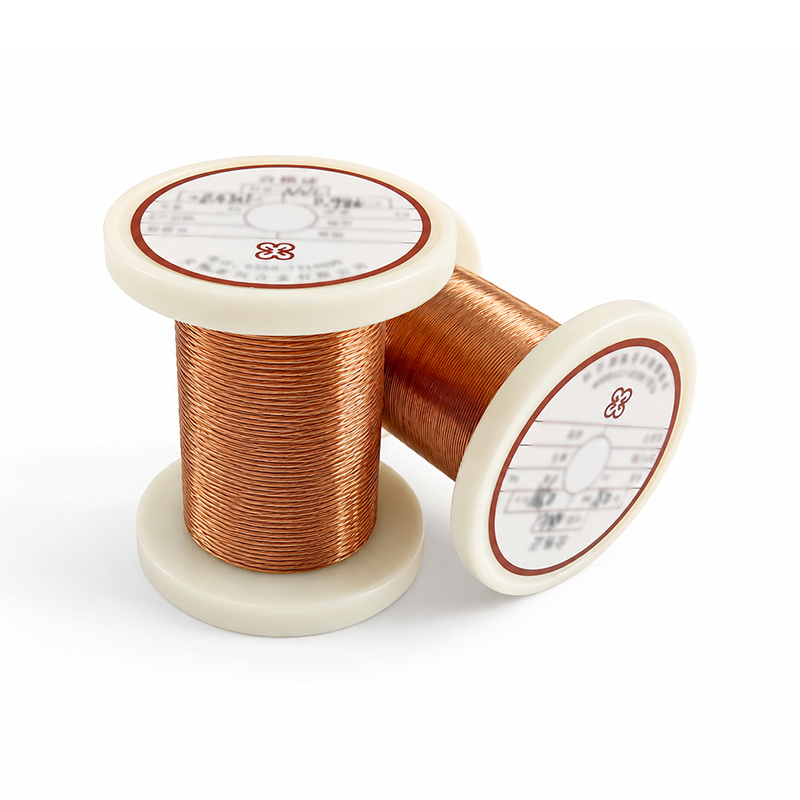
Q1: What is the temperature measurement range of B-type platinum-rhodium wire, and do you need compensation wires?
A: Long term use at 0-1600 ℃, with a short-term maximum of 1800 ℃. The thermoelectric potential at 0-50 ℃ is extremely small, and the cold end error at room temperature can be ignored. Generally, there is no need for dedicated compensation wires, and instruments can be connected with ordinary copper wires; Measurement sensitivity is low below 600 ℃, and it is not recommended to use it in low-temperature conditions.
Q2: Which atmospheres are suitable for B-type platinum rhodium wire and which environments are not suitable for direct use?
A: Suitable for oxidizing and inert atmospheres; can be used under vacuum for short periods of time. Direct contact with reducing gases, sulfur, phosphorus, and metal vapors is prohibited, as it can cause alloy corrosion and wire brittle fracture. It must be accompanied by an intact corundum protective sleeve isolation medium.
Q3: What is the reason for the increase in temperature drift during use?
A: Mostly due to damage to the protective casing causing wire contamination, long-term high-temperature grain coarsening, and volatilization of rhodium elements; It is recommended to calibrate regularly under high-temperature conditions, and replace the protective tube promptly if there are cracks to avoid accelerated deterioration of the wire material.