 INQUIRY
 English
 عربى
عربى русский
 中文简体
中文简体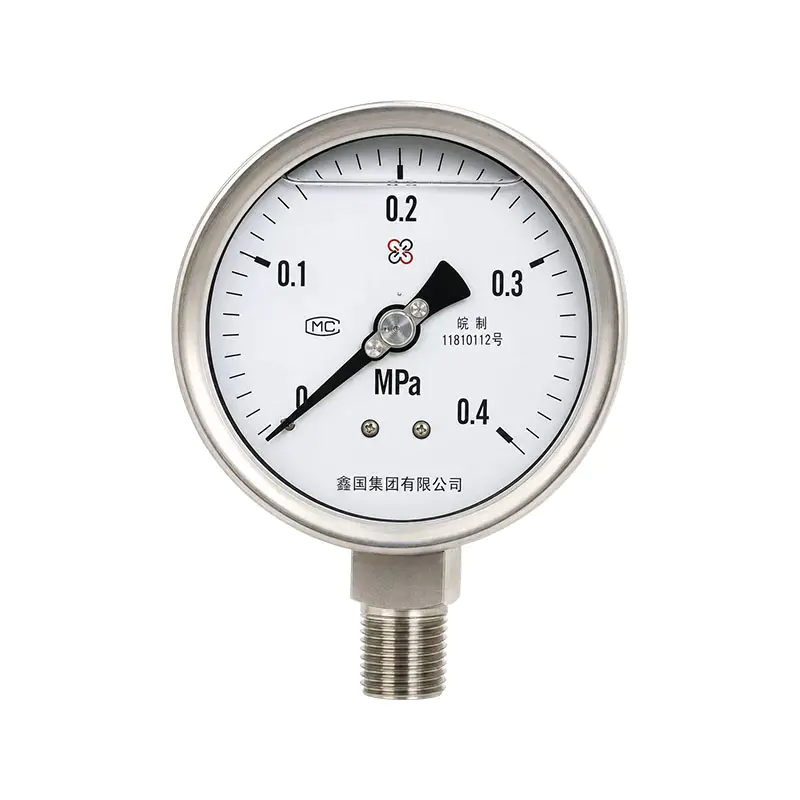

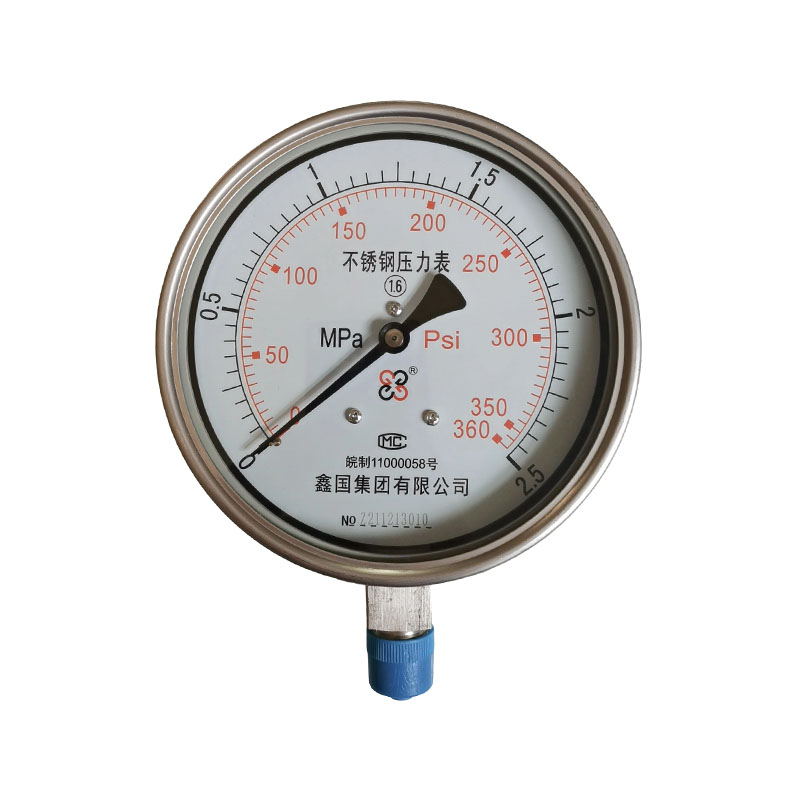
Q1: What oil is in the shock-resistant pressure gauge, and will it leak?
A: Internally filled with glycerin or silicone oil to provide damping and shock absorption. Normal sealing is intact and will not leak oil; Oil leakage may occur due to shell collision and aging of sealing rings, and shock absorption may fail after oil leakage, requiring timely replacement.
Q2: Can the oil in the table still be used if it is cloudy and blackened?
A: It is not recommended to continue using it. Cloudy oil is generally caused by wear of internal components, which can result in inaccurate readings and ineffective shock absorption. A new gauge should be installed.
Q3: Does a shock-resistant pressure gauge mean it can withstand high-pressure impacts?
A: Seismic resistance mainly addresses vibration and pressure pulsation, and cannot be used beyond the specified range. Excessive instantaneous pressure can still damage the spring tube, causing zero drift and meter damage.
Q4: Can shock absorbers be used for high-temperature media?
A: Excessive medium temperature can cause internal oil expansion, affecting measurement accuracy. It is recommended to install a heat dissipation device under high-temperature conditions to reduce the working temperature of the meter head and avoid damaging the instrument.