 INQUIRY
 English
 عربى
عربى русский
 中文简体
中文简体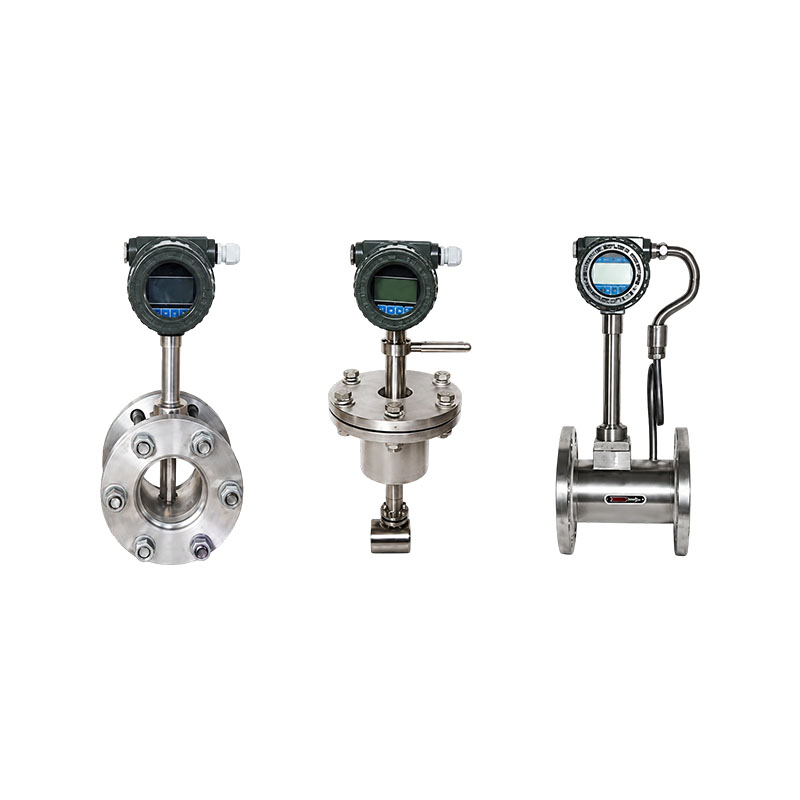

Q1: What media can a vortex flowmeter measure?
A: Can measure liquids, gases, saturated vapors, and superheated vapors. Cannot measure media containing a large amount of solid particles and high viscosity that are prone to scaling, which can easily damage the probe and affect measurement.
Q2: What is the reason for the large fluctuation in the flow reading of the vortex flowmeter?
A: The common reasons are low pipeline flow rate, large pipeline vibration, insufficient upstream and downstream straight pipe sections, and the presence of a large number of bubbles in the medium. Prioritize ensuring sufficient front and rear straight pipe sections, avoiding vibration sources such as pumps and valves, and improving working conditions.
Q3: What are the requirements for installing a straight pipe section in a vortex flowmeter?
A: To ensure measurement accuracy, a straight pipe section with a diameter of 15-20 times is generally required upstream, and a straight pipe section with a diameter of 5-10 times is required downstream. Try to stay away from turbulence components such as bends, valves, and pump bodies as much as possible; otherwise, it may cause measurement deviation.
Q4: How to choose between vortex flowmeter and electromagnetic flowmeter?
A: Select a vortex flowmeter for measuring steam, gas, and non-conductive liquids; electromagnetic flowmeters are selected for measuring conductive liquids such as sewage, acid, alkali, and mud media, based on the type of medium being measured.