 INQUIRY
 English
 عربى
عربى русский
 中文简体
中文简体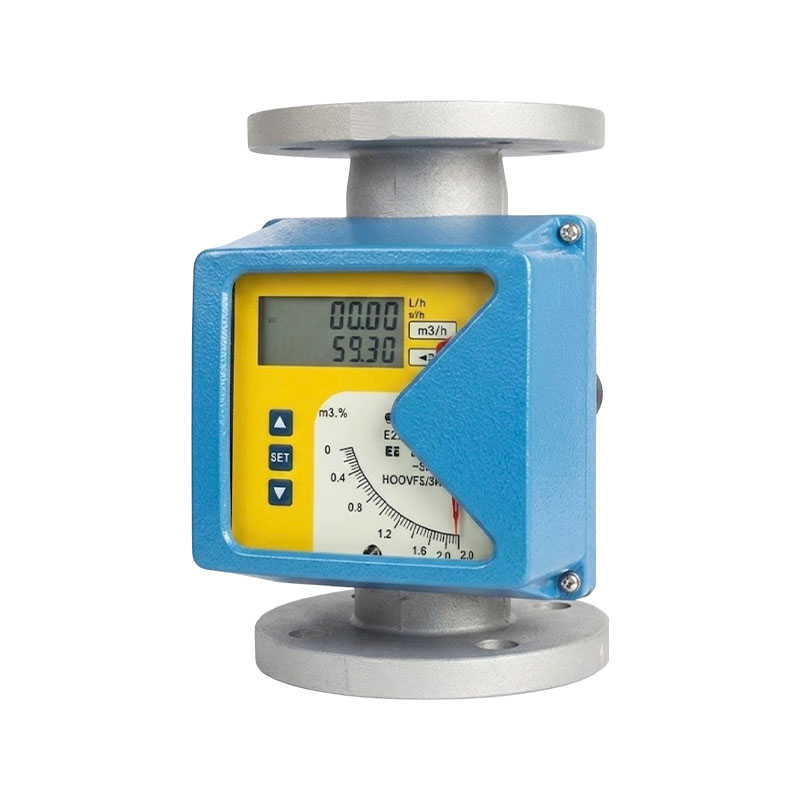

Q1: Can a metal float flowmeter measure media containing small amounts of impurities?
A: It can measure liquid and gas media containing small amounts of particulate impurities, but it is not suitable for high-viscosity, large-particle, and strongly scaling media; Excessive impurities can easily trap the float, causing inaccurate measurements. It is recommended to perform pre-filtration on the medium.
Q2: Does the metal float flowmeter require a power supply to display flow rate?
A: The basic on-site indicator does not require a power supply and can directly read the flow rate on site; Models with 4-20mA remote transmission and alarm output functions require an external power supply to output signals to the control system.
Q3: What are the mandatory requirements for installing a metal float flowmeter?
A: It must be installed vertically, and the medium flows through the instrument from bottom to top. To avoid strong vibration, keep appropriate straight pipe sections in front and behind, and do not use it horizontally or upside down; otherwise, it will directly affect the measurement accuracy.
Q4: How to choose between metal float flowmeter and glass tube float flowmeter?
A: Metal floats are preferred for high temperature, high pressure, and vibration conditions; Glass tubes have low cost and good visibility, but have limited pressure and temperature resistance, are fragile, and are not suitable for flammable, explosive, high-pressure,e and harsh working conditions.