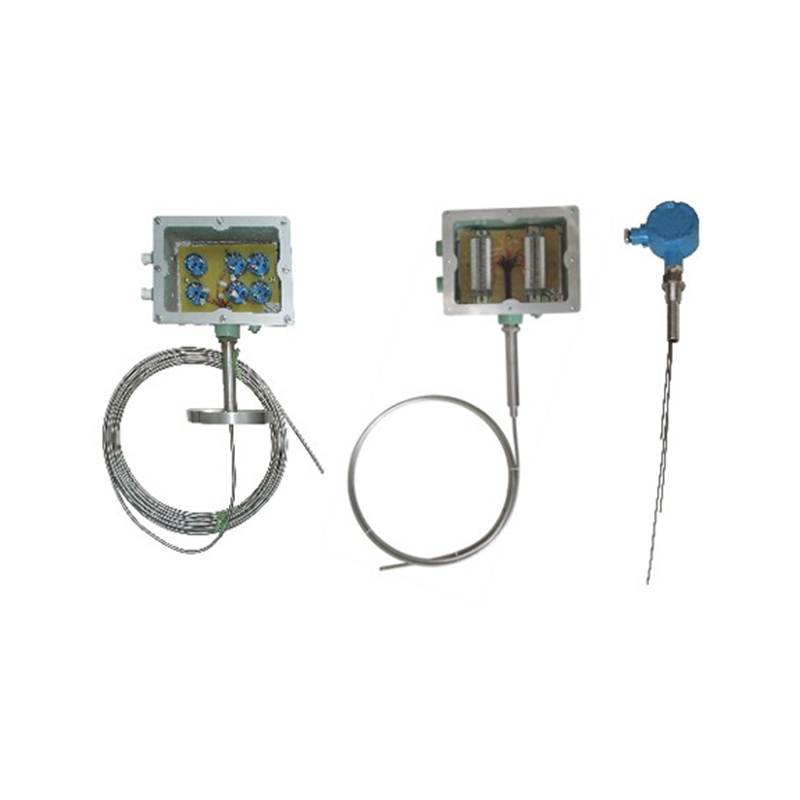
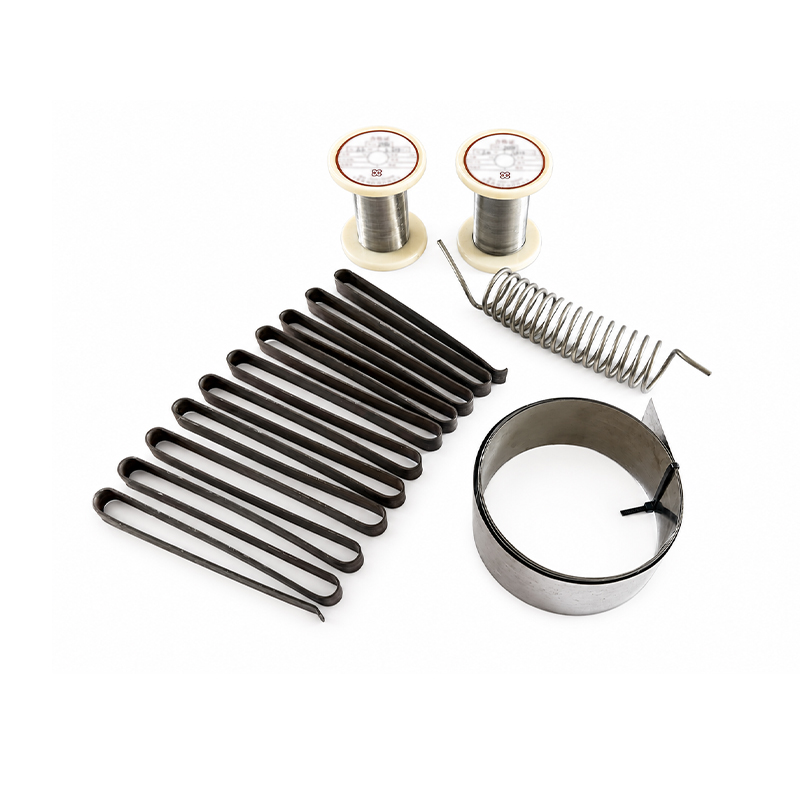
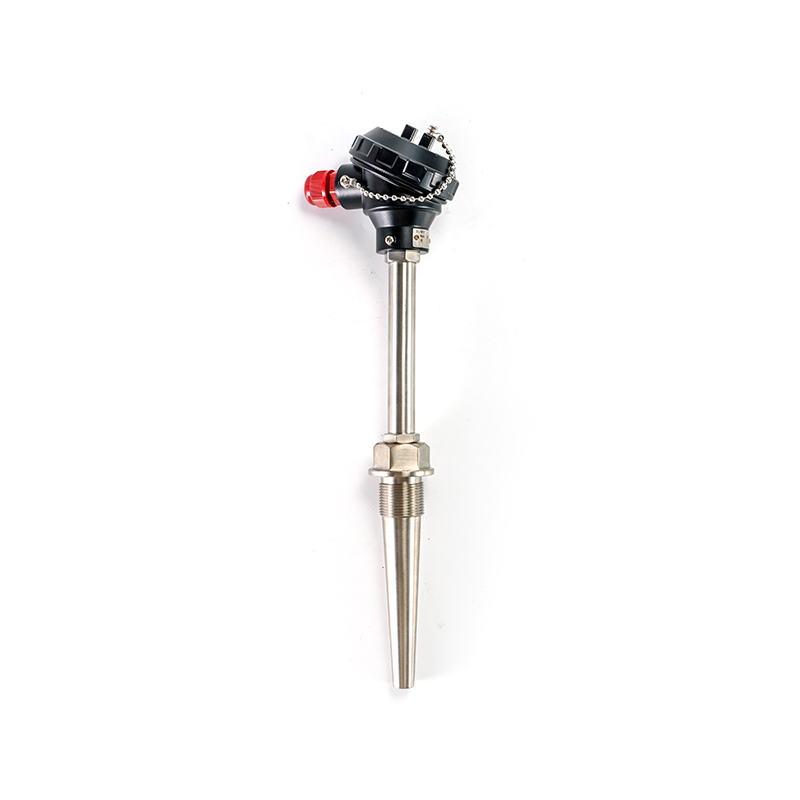
Picture this: a maintenance engineer in a fertilizer plant walks to a heat exchanger platform carrying a spare temperature sensor. The existing probe has been drifting for two weeks, the control room is compensating with manual adjustments, and production has been running at reduced throughput. The engineer replaces the probe with a platinum resistance temperature detector, verifies the reading against a calibrated handheld indicator, and within half an hour the loop is back under automatic control. This is one of the most common application of RTD scenarios in continuous process industries: a reliable, repeatable temperature measurement where accuracy and long-term stability matter more than raw speed.
The application of RTD temperature sensors extends far beyond this example. RTDs, also known as resistance temperature detectors, are used wherever engineers need precise and stable temperature data, from power station bearing temperatures to pharmaceutical freeze dryers, from chemical reactors to cleanroom HVAC systems. An RTD works on a simple principle: the electrical resistance of high-purity platinum changes in a predictable and repeatable way with temperature. When that resistance is measured accurately, the temperature can be determined with a degree of precision that thermocouples and thermistors cannot always match.
Across the world, instrument engineers, plant operators, and procurement teams select RTD probes for their accuracy, repeatability, low drift, and excellent linearity over a wide operating window. The most common specification, Pt100, follows the IEC 60751 standard with a temperature coefficient of 0.00385 ohm per ohm per degree Celsius and a practical sensing range from about minus 200 degrees Celsius up to 600 degrees Celsius for standard industrial assemblies. For original equipment manufacturers, plant maintenance teams, and wholesalers distributing process instrumentation, understanding where and how RTDs are applied is the first step toward making the right buying decision.
In this guide, we will walk through the working principle of RTDs, the major application industries, the differences between common sensor constructions, a comparison with thermocouples and thermistors, practical selection and installation guidance, and frequently asked questions. We will also share the perspective of an experienced RTD manufacturer and supplier that produces everything from platinum resistance elements to complete explosion-proof and corrosion-resistant assemblies.
The key message up front is simple: if your process demands accuracy, stability, and long calibration intervals, the application of RTD technology will almost always outperform alternative sensing methods within its temperature range.
Key takeaway: RTD sensors are the preferred choice for temperature applications that require accuracy and stability between roughly minus 200 degrees Celsius and 600 degrees Celsius, and their predictable platinum resistance curve makes them an industry workhorse across power, chemical, pharmaceutical, food, and HVAC systems.
An RTD measures temperature by detecting the change in electrical resistance of a metal, almost always platinum. Unlike thermocouples, which generate a tiny voltage at a junction of two different metals, an RTD is a passive resistive device. When a small constant current is passed through the element, the voltage drop across it increases or decreases as the element temperature changes. A measurement circuit converts that voltage change into a temperature reading based on a standardized resistance-versus-temperature curve.
Platinum is the dominant sensing material because it is chemically stable, repeatable, and can be refined to very high purity. The standard curve defined in IEC 60751 gives a resistance of 100 ohms at 0 degrees Celsius and a nominal change of 0.385 ohms per degree Celsius. This gives rise to the common name Pt100. A Pt1000 element uses the same curve but with a nominal resistance of 1000 ohms at 0 degrees Celsius, which makes it less sensitive to lead wire resistance and therefore attractive for two-wire connections in remote monitoring.
RTD elements are manufactured in two principal styles:
Nickel and copper elements exist but are uncommon. Nickel has a higher temperature coefficient but a nonlinear curve and a much narrower useful range. Copper is linear but oxidizes quickly above 150 degrees Celsius. For industrial applications that require predictable behavior over a wide range, platinum remains the only practical choice.
The following table shows typical resistance values for a Pt100 element at selected temperatures. This data is useful when checking the health of an installed sensor with a multimeter.
| Temperature (°C) | Nominal Resistance (Ω) | Practical Note |
|---|---|---|
| -50 | 80.31 | Useful for cold storage and freezer monitoring |
| 0 | 100.00 | Reference point for all IEC 60751 calibrations |
| 50 | 119.40 | Common in HVAC medium-temperature loops |
| 100 | 138.51 | Standard check point for boiling water tests |
| 200 | 175.86 | Typical in hot oil and polymer processing |
| 400 | 247.09 | Near the upper limit for many industrial assemblies |
The practical effect of this resistance curve is significant. A one-degree change at 100 degrees Celsius produces a resistance change of roughly 0.38 ohms for a Pt100 element. A good quality transmitter can resolve changes of 0.01 ohms or better, which enables temperature readings with repeatability far superior to thermocouples. That repeatability is why the application of RTD technology dominates measurement points where process control depends on small temperature changes.
Key takeaway: The platinum resistance curve defined in IEC 60751 is the foundation of RTD measurement, and the wire-wound versus thin-film element comparison determines the right balance between stability, response speed, vibration resistance, and cost.
Industrial temperature measurement is a broad field, and the application of RTD technology appears in almost every sector where a fluid, gas, bearing, winding, or product surface must be kept inside a specific temperature window. The following industry segments account for the bulk of RTD demand worldwide, and each one imposes its own set of mechanical, electrical, and environmental requirements on the sensor design.
In thermal power plants, gas turbines, and co-generation facilities, RTDs monitor bearing temperatures, motor winding temperatures, generator cooling water, transformer oil, and auxiliary system temperatures. The rtd for power station applications is typically a spring-loaded or screw-in probe with a vibration-resistant connection head, designed to survive prolonged operation in an electrical environment with high electromagnetic interference. Turbine protection systems rely on redundant RTD measurements to trigger alarms before bearing damage occurs, so sensor reliability is directly tied to equipment availability.
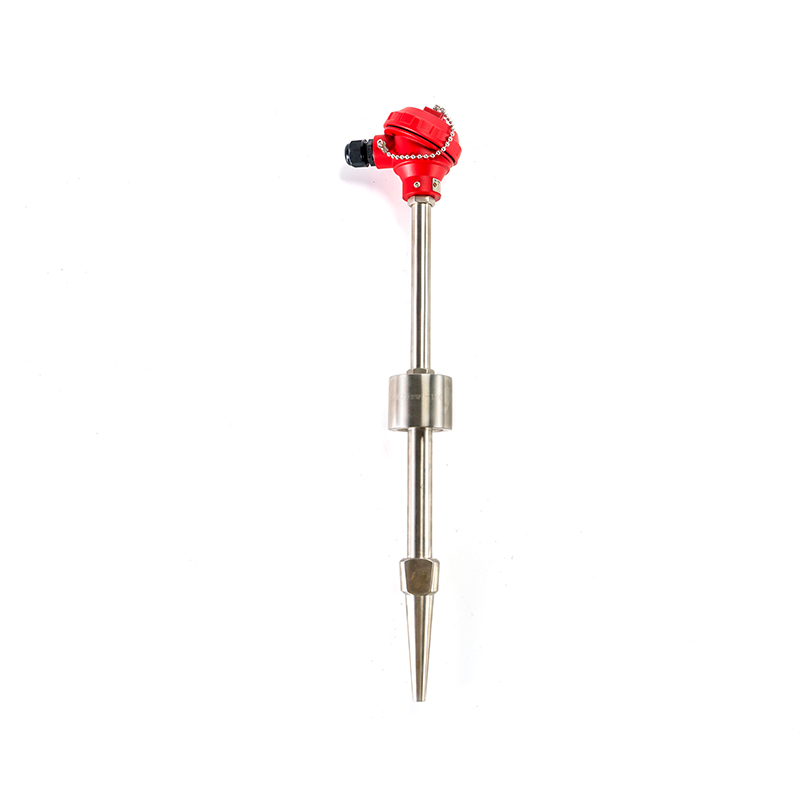 Power Plant RTD with Separable Protective SleeveThis RTD features a separable protective sleeve and spring-loaded element for stable, accurate readings in turbines and boilers, supporting reliability in power generation environments.View Product →
Chemical reactors, distillation columns, storage tanks, and transfer pipelines require temperature measurement in media that may be corrosive, pressurized, or flammable. In these plants, the common RTD specification is an explosionproof RTD with a flameproof enclosure, certified for hazardous areas. Where acids, alkalis, or chlorides are present, the wetted parts must be protected by a corrosion-resistant sheath made of 316L stainless steel, Hastelloy, or a fluoropolymer coating. This combination of electrical safety and wetted material selection is one of the most important procurement considerations for chemical plants.
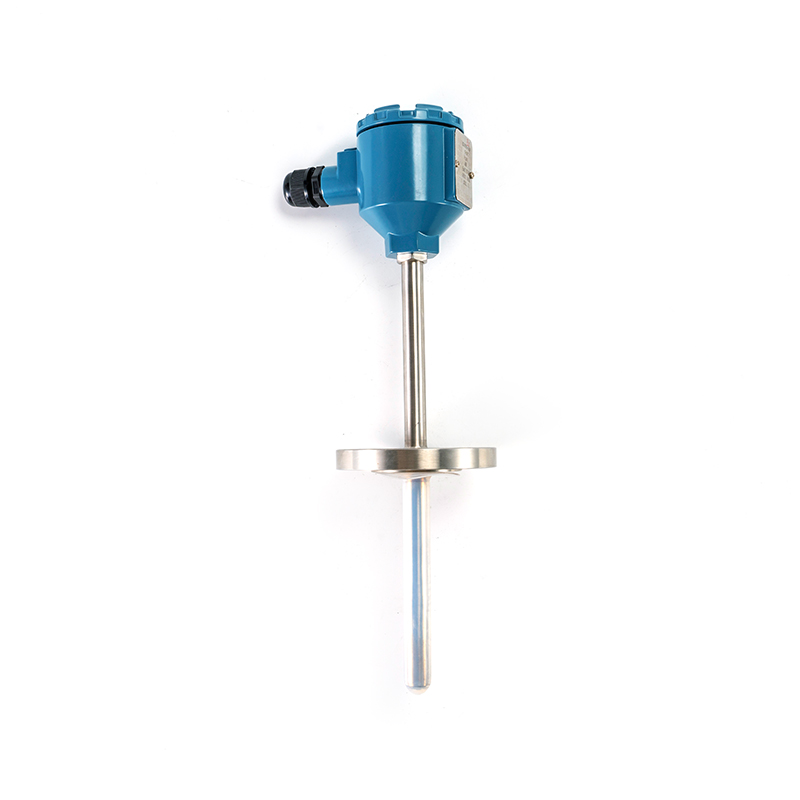 Explosion-Proof RTD for Hazardous Area MeasurementBuilt for chemical and petrochemical sites, this certified RTD measures up to 1300°C in flammable media, combining flameproof protection with corrosion-resistant wetted parts.View Product →
Pharmaceutical processes are governed by validated procedures and strict temperature tolerances. Freeze dryers, autoclaves, incubators, bioreactors, and cleanroom monitoring systems use RTDs because of their accuracy, traceability, and ease of calibration. Many pharmaceutical lines require sanitary probes with clamp or flare fittings, polished surfaces, and materials that withstand repeated steam sterilization. A cleanable, crevice-free design is essential to satisfy good manufacturing practice requirements.
Pasteurization, brewing, dairy processing, baking, and cold-chain logistics all depend on RTD sensors. In food environments, the sensor must be hygienic, easy to clean, and often installed through a thermowell to isolate the element from the product. The temperature range in this sector is modest, typically from minus 40 degrees Celsius for frozen storage to 150 degrees Celsius for sterilization, which is well within the comfortable working range of platinum RTDs. Fast response and low drift are valued because product quality is directly linked to temperature history.
Heating, ventilation, air conditioning, and refrigeration systems use RTDs in air handling units, chilled water loops, compressor discharge lines, and cleanroom supply ducts. Duct-mounted and immersion RTDs provide the feedback signals that drive variable frequency drives, valve positioning, and economizer control. In large commercial buildings, the cumulative energy savings from accurate temperature control justify the slightly higher cost of RTDs compared with thermistors.
On engine test stands, transmission test cells, wind tunnels, and environmental chambers, RTDs measure oil temperatures, coolant temperatures, intake air temperatures, and component surface temperatures. The aerospace industry uses mineral-insulated sheathed RTDs for engine monitoring and test instrumentation. Vibration resistance and fast response are critical in these applications, which is why thin-film and mineral-insulated constructions are often preferred.
Semiconductor fabs and electronics production facilities control temperature with exceptional precision. Wafer processing equipment, lithography systems, diffusion furnaces, and chemical baths rely on high-accuracy RTDs, often Pt1000 elements to minimize lead wire effects. The extremely clean environment and the need for ultrapure materials limit the choice of sheath materials and connection designs.
Beyond these sectors, RTDs are widely used in marine engine rooms, wastewater treatment plants, pulp and paper mills, metallurgical furnaces, cement plants, and building energy management systems. The common thread is that temperature is a process variable that affects safety, quality, or efficiency, and the plant needs a sensor that holds its calibration for months or years without constant attention.
| Industry | Common RTD Construction | Key Selection Driver |
|---|---|---|
| Power generation | Spring-loaded, vibration-resistant, high insulation resistance | Bearing and winding protection, long term reliability |
| Chemical and petrochemical | Explosion-proof head, anti-corrosion sheath, thermowell | Hazardous area certification, media compatibility |
| Pharmaceutical | Sanitary clamp fitting, polished finish, steam-sterilizable | Cleanability, validation, traceability |
| Food and beverage | Hygienic fitting, stainless sheath, optional thermowell | Hygiene, fast cleaning, product safety |
| HVAC and refrigeration | Duct or immersion style, lightweight head | Energy efficiency, stable control |
| Automotive and aerospace | Mineral-insulated, compact thin-film element | Vibration endurance, fast response |
| Semiconductor | Pt1000 element, ultraclean welded sheath | Resolution, purity, minimal self-heating |
Key takeaway: There is no single universal RTD; the right construction for each application is driven by the safety zone classification, corrosion environment, sanitary requirement, vibration level, and the criticality of the measured temperature to process quality.
To understand where the application of RTD technology delivers the most value, it is useful to examine how often RTDs are selected compared with alternative sensors in different industries. The chart below is an illustrative estimate based on common installed-base observations in process plants, machine builders, and temperature sensor procurement records. It should be read as a preference trend, not as a certified statistical survey. The pattern reflects the technical suitability of RTDs for each temperature range and the industry tolerance for sensor drift. The values are expressed as an approximate share of installed temperature measurement points in each sector. With that context, the data reveals a clear commercial and technical picture for buyers.
The chart shows that RTDs are most dominant in power generation and petrochemical plants, where process uptime and safety are so important that the failure of a temperature sensor can force a unit shutdown. In these environments, the combination of accuracy, long-term stability, and established standards has made RTDs the default choice for most critical loops. In chemical processing, the preference is slightly lower because thermocouples are still used in very high temperature furnace applications, but the majority of reactor and pipeline temperature points remain on RTDs. Pharmaceutical and biotechnology plants show a high preference for RTDs because of their cleanability, calibration traceability, and low drift, all of which are needed to satisfy regulatory inspection. Food and beverage plants follow closely; hygienic design and repeatable measurement are more important than extreme range, and RTDs naturally fit that profile. HVAC and refrigeration use a mix of thermistors and RTDs, and the RTD share is increasing as building automation projects demand better energy accounting. Automotive testing environments contain many fast transients, and thermocouples still handle a significant share of exhaust and combustion measurements, which explains the moderate RTD preference. Semiconductor manufacturing shows the lowest share in the chart because thin-film resistance sensors and thermistors are common in certain tooling applications, but high-end metrology points still use precision platinum elements. The overall trend confirms that the application of RTD technology grows wherever accuracy, stability, and calibration confidence carry financial or safety weight. Buyers who standardize on RTDs across these industries generally simplify their spare parts inventory and training requirements. The other notable pattern is that even in the lowest-share sectors, RTDs remain a core product category rather than a niche item. For a manufacturer, supplier, or wholesaler of industrial instruments, this spread of demand means that a broad RTD product line covering sanitary, explosion-proof, anti-corrosion, and high-vibration variants is essential. A plant that standardizes on RTDs can also use the same calibration equipment and procedures across multiple process units, reducing maintenance workload and documentation cost.
Key takeaway: RTD preference is highest in power, petrochemical, and pharmaceutical plants, and it continues to expand in HVAC and food processing as users prioritize accuracy, stability, and lower lifecycle cost over initial purchase price.
When buyers search for RTD sensors, they often find dozens of constructions that appear similar but behave very differently in service. Understanding the mechanical variants is essential because the application of RTD technology is almost always constrained by the process connection, the environmental hazard, and the physical space available at the measurement point.
A sheathed RTD uses a mineral-insulated cable, typically magnesium oxide, inside a seamless metal tube. The sensing element is welded to internal conductors, and the whole assembly is sealed with an epoxy or welded cap. This construction is flexible, compact, and resistant to vibration and moisture. It is often inserted inside a thermowell in chemical plants, or used directly in applications where space is limited and the probe must be bendable during installation.
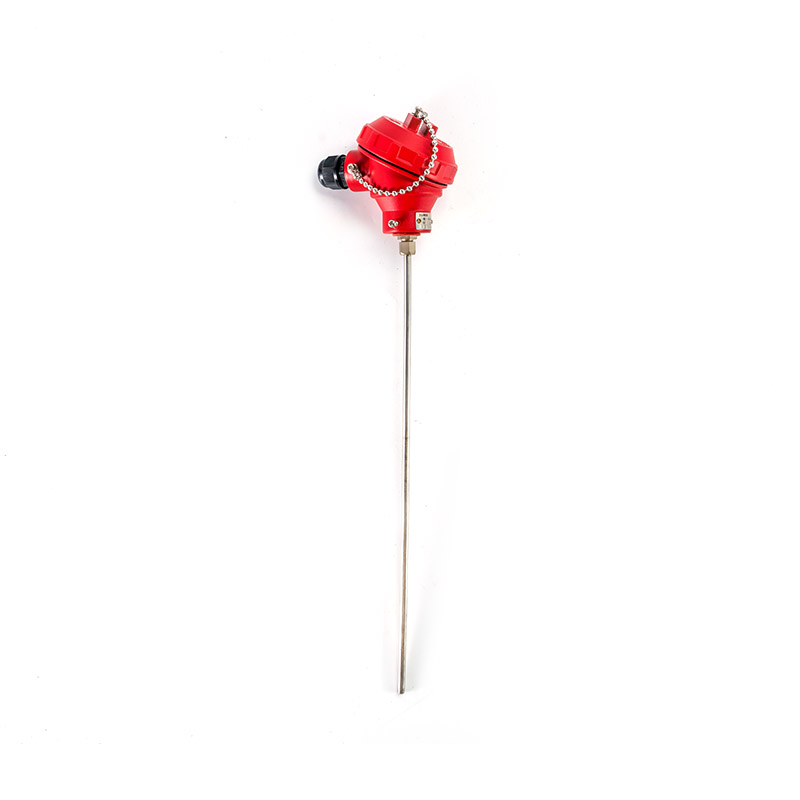 Sheathed RTD with Mineral Insulation and Flexible ProbeA compact, vibration-resistant RTD with magnesium oxide insulation and stainless steel sheath, ideal for tight spaces and fast response in chemical or general industrial use.View Product →
An assembly RTD combines a platinum element, a metal tube, a process connection, and an enclosure into a complete transmitter-ready instrument. The element can be replaced without removing the whole assembly from the process. This modularity lowers maintenance costs and is widely accepted in power plants, refineries, and general industrial plants.
In coal handling, cement kilns, and fluidized bed processes, fine particles can erode a normal stainless sheath within months. An abrasion-resistant RTD uses a hardened tungsten carbide coating or a thicker, harder sheath alloy on the exposed tip. Anti-corrosion RTDs, on the other hand, protect the sensing element with a barrier layer of fluoroplastic, glass lining, or a high-grade nickel alloy such as Monel. Each design is tailored to the specific failure mode of the plant environment.
For classified hazardous areas such as oil platforms, solvent storage farms, and gas processing units, an explosionproof RTD has a flameproof enclosure that contains an internal ignition and prevents it from reaching the surrounding atmosphere. The enclosure is usually marked with the relevant certification standard and must match the gas group and temperature classification of the site. Choosing an uncertified enclosure in a hazardous location is a serious safety and legal risk.
A multi-point RTD carries several sensing elements inside one protective tube, which allows one insertion point to provide temperature profiles at different tank heights or reactor levels. This reduces the number of vessel penetrations and simplifies installation. A display RTD integrates a local indicator head so that operators can read the temperature directly without opening the control cabinet, which is very convenient for field inspection rounds.
Threaded connection
BSP or NPT threads for easy
mounting in tanks and pipelines
Flanged connection
ANSI, DIN, or JIS flanges
for high-pressure sealed
installations
Sanitary clamp fitting
Tri-clamp connections for
food and pharmaceutical lines
Spring-loaded fitting
Holds the tip against
thermowell bottom for
better thermal contact
Bayonet and adjustable
fittings
Quick-release connections
for motors, generators,
and compressors
A complete RTD manufacturer typically offers all of these variants with a range of insertion lengths, sheath materials, connection head styles, and lead wire terminations. For any application of RTD sensors, the mechanical configuration should be decided before electrical specifications, because changing a process connection later always costs more than selecting it correctly in the first place.
Key takeaway: The mechanical construction of an RTD, including the sheath material, process connection, hazardous area approval, and mounting style, must match the physical and regulatory conditions of the installation point before electrical accuracy can be trusted.
Engineers often ask why they should choose an RTD when thermocouples and thermistors are cheaper. The answer depends on the operating temperature, the required accuracy, the acceptable degree of drift, and the cost of a failure. In most cases, the application of RTD sensors delivers the best combination of accuracy and stability below 600 degrees Celsius, while thermocouples remain necessary above that temperature and thermistors are a low-cost option in narrow temperature windows.
| Characteristic | RTD | Thermocouple | Thermistor |
|---|---|---|---|
| Typical range | -200 to 600 °C | -200 to 1300 °C | -50 to 250 °C |
| Accuracy | Excellent | Moderate | Good in narrow range |
| Stability after months | Very low drift | Higher drift | Moderate drift |
| Response speed | Slow to moderate | Fast | Fast |
| Linearity | Good | Nonlinear | Highly nonlinear |
| Cost | Moderate to high | Low to moderate | Low |
| Vibration resistance | Good if thin-film | Very good | Good |
| Typical failure mode | Open circuit or drift | Open circuit, contamination | Thermal runaway |
A thermocouple works by generating a small voltage proportional to the temperature difference between its hot junction and cold junction. It is rugged, inexpensive, and can measure very high temperatures, but it requires a reference junction compensation and is inherently less stable. A thermistor changes resistance dramatically with temperature, giving excellent sensitivity over a narrow range, but its output is strongly nonlinear and it cannot survive high temperatures. The RTD sits between them on every important axis: far better stability than a thermocouple, far wider range than a thermistor, and a cleaner signal for control systems.
Another important factor is the wiring configuration. A two-wire RTD is simple but includes the resistance of the extension wires in the measurement, which is acceptable when the wire run is short and accuracy demands are modest. A three-wire RTD cancels most of the lead resistance error and is the most common configuration in industrial panels when a transmitter is present. A four-wire RTD provides the highest accuracy by using two wires to drive the current and two wires to sense the voltage drop at the element; it is standard for laboratory equipment, calibration standards, and high-value process points. Buyers should determine their wiring requirement at the specification stage, because changing it later often means replacing the installed cable.
Key takeaway: If the process temperature stays below 600 degrees Celsius and accuracy or drift matters to product quality or equipment protection, an RTD is almost always the best technical and economic choice; keep thermocouples for very high temperatures and thermistors for simple narrow-range consumer products.
Selecting an RTD is not just about picking a Pt100 and a stainless steel tube. The correct selection must take into account the process medium, temperature range, required accuracy class, pressure rating, response time, environment at the connection head, and the way the signal will be integrated into the control system. A structured approach prevents costly rework and unsafe installations.
|
Scenario A: Clean liquid or gas in a pipe, normal plant area Use an assembly RTD with a threaded or flanged connection, 316L stainless sheath, and a Class A element. Select a 3-wire configuration if the transmitter is remote, or a 4-wire configuration for high-accuracy custody transfer points. Check the immersion depth so that the element reaches the center of the flow stream. |
Scenario B: Corrosive, abrasive, or hazardous process medium Specify an anti-corrosion or abrasion-resistant sheath, add a thermowell for protection and easy replacement, and choose an explosion-proof head if the area is classified. Verify that all wetted materials are compatible with the media at the maximum operating temperature, and confirm the certification matches your site gas group. |
|
Scenario C: Sanitary process in food or pharmaceutical plant Use a hygienic RTD with a tri-clamp or dairy fitting, a crevice-free welded sheath, and a surface finish that supports clean-in-place and steam-in-place protocols. Choose a sensor that can be removed for calibration without exposing the process to contamination risks. |
Scenario D: Vibration and space-constrained machine installation Select a thin-film element in a compact mineral-insulated sheath, avoid long unsupported cantilever lengths, and use a bayonet or spring-loaded fitting on motors, generators, and compressors. Confirm the vibration rating and test the probe on a sample unit if the machine has a history of sensor failures. |
Accuracy class is a specification that is often underestimated. IEC 60751 defines Class AA, A, and B tolerances. A Class B element is acceptable for general indication, but a Class A or AA element is preferable for load control, quality recording, and interlock protection. The difference in purchase price is small compared with the potential cost of a false safety trip or an off-spec batch.
Response time also matters. A bare sheathed element reacts much faster than an element inside a heavy thermowell. If dynamic control is important, such as in a reactor jacket or a pasteurizer, choose a reduced-tip thermowell and a spring-loaded element to improve thermal contact. If the measured point is simply monitored, a longer time constant is harmless and often desirable because it filters away noise.
When reviewing quotations, procurement teams should compare the complete specification list rather than only the price and the housing type. A reliable supplier will clearly state the element curve, accuracy class, lead wire configuration, maximum temperature, sheath material, insertion length, and applicable certificate documents. A quotation that omits these details sets the stage for disputes later.
For more detailed information about available RTD constructions, buyers can browse the complete product range of the manufacturer directly. This is also the fastest way to compare the abrasion-resistant, anti-corrosion, explosion-proof, and power station variants in one place. A reputable RTD manufacturer, supplier, or wholesaler will also accept requests for custom stem lengths and special calibration certificates.
Key takeaway: A precise RTD specification that covers the process medium, accuracy class, response time, mounting geometry, and hazardous area approval is worth far more than the small price difference between an incomplete quote and a well-defined one.
Even a high-quality RTD will deliver misleading data if it is installed incorrectly. The installation must ensure good thermal contact, adequate immersion depth, mechanical protection, and correct electrical wiring. The maintenance plan must cover periodic calibration checks and inspection for moisture ingress, sheath corrosion, and connection degradation.
For pipelines and tanks, the sensor tip should be inserted far enough to reach a representative temperature zone. In a pipe, the typical recommendation is to position the element at the center third of the cross-section. In a tank, the insertion length must extend well beyond the wall heat-affected zone. A thermowell adds a thermal barrier, so the air gap or contact surface must be designed carefully; spring-loaded elements that press against the bottom of the thermowell significantly reduce response lag.
Wiring errors are among the most frequent causes of incorrect temperature readings. The color coding of RTD extension wire must be respected, and shield grounding should follow the manufacturer recommendation to avoid ground loops. If a four-wire sensor is connected in a three-wire input, the reading may be off by the lead resistance. If a two-wire sensor is connected to a four-wire input, the accuracy advantage of the transmitter is lost. Field technicians should always confirm the number of wires present in the terminal head and set the transmitter accordingly.
Humidity is a common enemy of RTD sensors. Moisture inside the connection head or the instrument enclosure creates parallel leakage paths that lower the measured resistance and cause negative temperature errors. The solution is properly rated IP enclosures, desiccants in humid environments, and potting at cable entries. For outdoor installations, the cable gland should be sealed against rain and condensation.
Vibration can fracture the internal connections of a wire-wound element over time. If the plant has a history of intermittent high readings or open circuits on rotating machinery, switch to a thin-film construction with a sealed mineral-insulated cable, or add a vibration-damping bracket. The same symptom can also be caused by loose terminal screws, so regular thermal imaging or continuity checks help to identify weak joints.
| Symptom | Probable Cause | Recommended Action |
|---|---|---|
| Reading is too high by several ohms | Loose terminal, oxidized connection | Tighten, clean, or replace terminals |
| Reading is too low or unstable | Moisture ingress in head | Open head, dry, reseal glands |
| Open circuit, no reading | Broken element or wire | Replace element or complete sensor |
| Slow response compared with history | Fouling on thermowell or sensor tip | Clean or replace thermowell |
| Large negative drift over months | Shunt resistance from moisture or insulation breakdown | Check insulation resistance, replace if low |
| Intermittent jumps in reading | Vibration-induced connection failure | Inspect cable, switch to thin-film sheathed type |
The calibration interval depends on the criticality of the loop. A bearing protection sensor may be checked once per year during routine overhaul, while a pharmaceutical process sensor may be verified before every batch. The most reliable method is a dry-block calibrator or a stirred liquid bath compared against a reference thermometer traceable to a national standard. Always perform the calibration over at least three points, including the operating temperature, to detect nonlinearity or installation errors.
Key takeaway: Correct immersion depth, proper lead wire configuration, protection against moisture and vibration, and a scheduled calibration check are the four pillars of reliable RTD performance in any industrial plant.
A practical understanding of RTD standards is necessary for anyone who purchases, installs, or maintains temperature sensors. The international benchmark is IEC 60751, which defines the resistance curve, the temperature coefficient, and the tolerance classes for industrial platinum RTDs. Many countries also adopt the equivalent as a national standard, such as GB/T 30121 in China and JIS C 1604 in Japan.
The three common tolerance classes are Class AA, Class A, and Class B. The tolerance is expressed as a permitted deviation in degrees Celsius, and it widens as the measured temperature moves away from zero. The following table shows the tolerance formulas for the main classes.
| Class | Tolerance at 0 °C | Tolerance at 200 °C | Typical Use |
|---|---|---|---|
| Class AA | ±0.10 °C | ±0.35 °C | Laboratory references, critical quality loops |
| Class A | ±0.15 °C | ±0.55 °C | Pharmaceutical, food, turbine protection |
| Class B | ±0.30 °C | ±1.10 °C | General industrial indication and control |
Class B is the default for many general-purpose RTDs and is often mistaken as acceptable for every loop. In practice, a Class A element improves repeatability and inter-batch consistency enough that its additional cost is usually less than one percent of the total loop value. For applications subject to legal metrology or quality audits, the accuracy class should be stated explicitly in the purchase order.
Another specification to verify is the upper temperature limit of the assembly. A Pt100 element can tolerate 600 degrees Celsius in theory, but the sheath material, sealing material, and connection cable all have lower limits. An assembly rated for 450 degrees Celsius should not be installed in a steam line that operates at 500 degrees Celsius. Reading the nameplate and the data sheet together prevents a premature failure.
Key takeaway: Always specify the IEC 60751 tolerance class by name, and always verify the complete assembly temperature rating, not just the element rating, before installation.
What is the most common application of RTD sensors in industry?The most common application of RTD technology is the measurement of process fluid temperatures in the range of minus 50 degrees Celsius to 400 degrees Celsius, especially in power plants, chemical plants, pharmaceutical facilities, and food plants. Typical points include reactor jackets, storage tanks, bearing temperature protection circuits, HVAC chilled water loops, and pasteurization lines. RTDs dominate these points because they provide stable, accurate readings that can be trusted for months between calibrations. |
Can an RTD sensor be used in hazardous areas?Yes. An RTD can be installed in hazardous areas when it is built with a certified explosion-proof enclosure or an intrinsically safe transmitter and associated safety barrier. The sensor head must carry the appropriate certificate for the gas group and temperature class of the site, and the whole installation must follow the documented wiring method. Many manufacturers offer RTD assemblies that combine a Class A element with an explosion-proof terminal head for petrochemical and oil and gas service. |
What is the difference between Pt100 and Pt1000 RTD sensors?A Pt100 element has a nominal resistance of 100 ohms at 0 degrees Celsius, while a Pt1000 element has a nominal resistance of 1000 ohms at the same temperature. The Pt100 is the traditional industry standard and works well with most transmitters and PLC input cards. The Pt1000 provides a stronger signal with less sensitivity to extension wire resistance, which makes it a good choice for two-wire connections and for remote sensor heads that are small and far from the control panel. |
Why should I buy RTD sensors from a manufacturer or wholesaler instead of a reseller?Buying directly from a manufacturer or a large wholesaler usually gives you access to the full specification sheet, custom production options, faster technical support, and more consistent quality documentation. A manufacturer that also produces the thermocouple alloy wire and the sensing elements themselves can control the entire material chain, which is reflected in calibration stability. This is particularly valuable for procurement teams that need a stable supplier relationship over multiple plant expansions or maintenance contracts. |
What temperature range is practical for industrial RTD applications?Standard Pt100 assemblies are practical from about minus 200 degrees Celsius to 600 degrees Celsius. Above 600 degrees Celsius, platinum resistance elements become fragile and oxidation becomes a serious concern, and thermocouples are usually selected instead. Below minus 200 degrees Celsius, the sensitivity of the RTD decreases, and special calibration procedures are needed to maintain accuracy. Within the common industrial range of minus 100 to 500 degrees Celsius, the RTD is the most accurate and stable sensor choice. |
How often should an RTD sensor be calibrated?The calibration interval depends on the criticality of the loop and the environmental severity. General plant indication loops can be checked every 12 to 24 months, while safety interlocks, pharmaceutical process points, and quality-critical sensors should be checked every 3 to 6 months or before each batch campaign. Trending the measured resistance against a reference thermometer helps identify drift before it reaches an unacceptable level. If a sensor fails calibration by more than twice its accuracy class tolerance, it should be replaced rather than adjusted. |
Key takeaway: The application of RTD sensors is broad and well documented, and the most important buying questions come down to accuracy class, process connection, hazardous area approval, wiring configuration, and a realistic calibration schedule.
The performance of a temperature sensor in the field depends not only on the sensor itself but also on the manufacturing discipline behind it. A full-line RTD manufacturer will produce the sensing element, protect it with the correct sheath and enclosure, test it against the declared tolerance class, and provide clear documentation for the end user. Companies that purchase from such a manufacturer benefit from shorter lead times, custom options, and consistent quality across multiple shipments.
Xinguo Group Co., Ltd. is one example of a manufacturer that follows this integrated approach. Founded in 1997 and located in Anhui Province, China, the company operates subsidiaries covering alloy materials, instrument cables, precious metals, and temperature instruments. The temperature product line includes abrasion-resistant, anti-corrosion, assembly, explosion-proof, display, multi-point explosion-proof, power station, and sheathed RTD constructions. Because the group also produces thermocouple alloy wire and compensating wire alloy, it can control material quality from the alloy melt to the finished instrument, which is a meaningful advantage for customers who need traceable and stable products.
The company holds ISO 9001 quality management, ISO 14001 environmental management, and GB/T 28001 occupational health and safety certifications. Its engineering team includes senior technical experts, senior engineers, engineers, and assistant engineers, giving customers a single technical counterpart for application of RTD selection, custom mechanical design, and troubleshooting. With a production facility of about 60,000 square meters and around 300 employees, the company is able to support both small prototype orders and large project-based supply contracts for domestic and international clients.
For procurement managers, a reliable supplier relationship is about more than the unit price. The questions to ask are: can the manufacturer supply the full range of RTD types in one order, can it confirm the accuracy class with test certificates, can it customize the insertion length and process connection, and will it respond to failure analysis when a unit is returned? A supplier that can answer all of these questions positively will reduce the lifetime cost of temperature measurement.
Browse the RTD product range
Compare sheathed, assembly, anti-corrosion, and explosion-proof RTD constructions in one product directory.
Speak with application engineering
Describe your process media, temperature range, and site classification; receive a specification-based recommendation.
The final piece of advice is to treat temperature sensors as calibrated instruments, not as commodity spare parts. A well-chosen RTD, installed with proper immersion and protection, will hold its accuracy for years. In that respect, the application of RTD technology is one of the most cost-effective investments a plant can make in process reliability and product quality.
Key takeaway: When you standardize on a manufacturer that controls the full material chain and offers the entire family of RTD constructions, you reduce inventory complexity, simplify calibration procedures, and get a technical partner rather than just a vendor.



 INQUIRY
 English
 عربى
عربى русский
 中文简体
中文简体