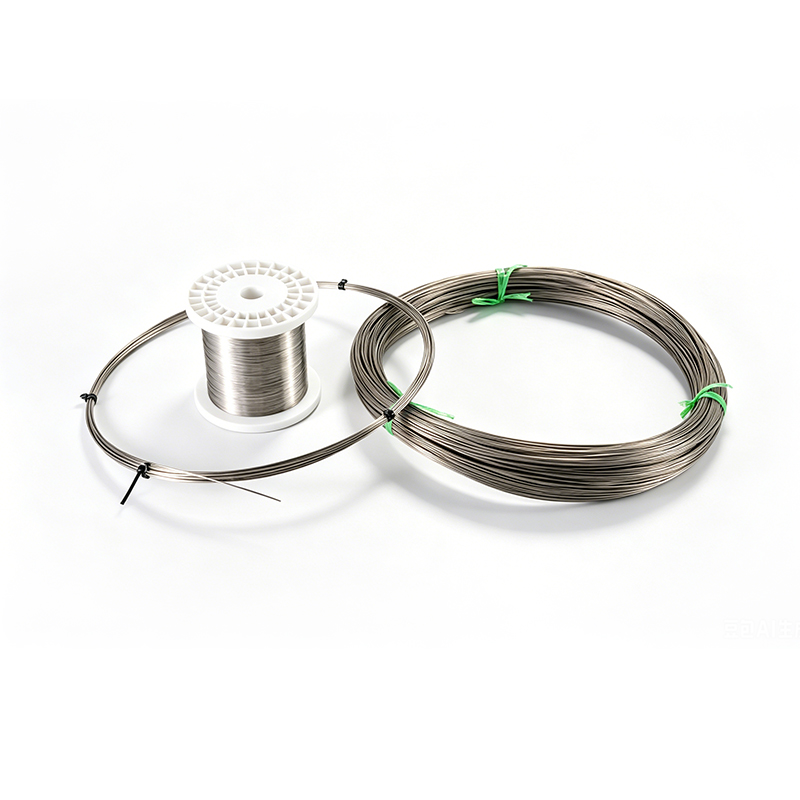
Nichrome and nichrome-iron alloy wire
Home / Product / Alloy wire / Nichrome and nichrome-iron alloy wire
  • Nichrome and nichrome-iron alloy wire
  • Nichrome and nichrome-iron alloy wire

Nichrome and nichrome-iron alloy wire

Product Introduction
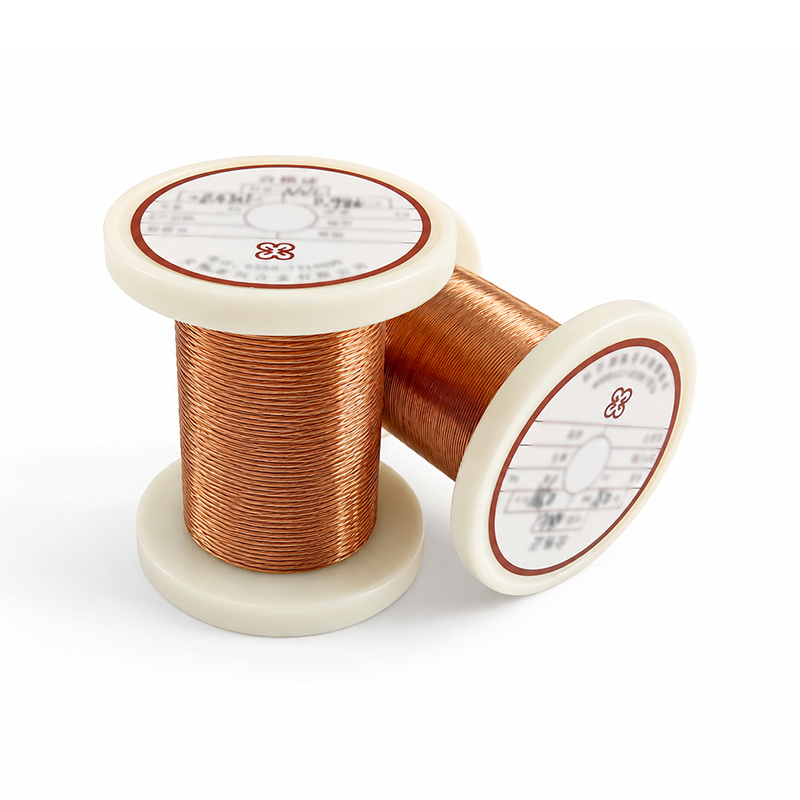
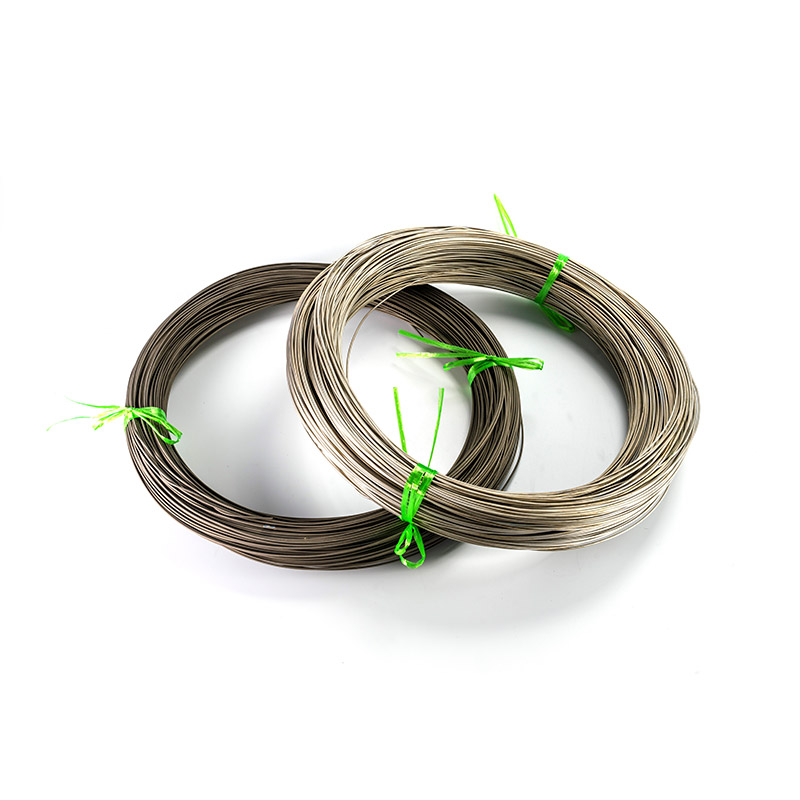
Nichrome and nichrome‑iron alloys are high‑temperature alloys based on nickel and chromium, with iron added in some grades to optimize performance. They feature extremely high heat and oxidation resistance, excellent high‑temperature strength, moderate resistivity and good structural stability. They resist deformation, cracking and aging in high‑temperature, oxidizing and corrosive environments, and have good weldability and formability. They can be used at high temperatures for long service life.

Applications & Instructions
1. Industrial Heating Equipment
Used as heating elements such as electric heating wire, heating strip and radiant tube in industrial furnaces, annealing furnaces, drying ovens, cracking furnaces and heat treatment equipment.

2. Home Appliances
Used in heating components for ovens, microwave ovens, heaters, electric water heaters, hair dryers and other household appliances.

3. Automotive & Aerospace
Used for engine preheating devices, exhaust heating systems, aerospace high‑temperature sensors, heat‑resistant wires, etc.

4. Electronics & Instruments
Used for high‑power resistors, load resistors, starting resistors, precision heating elements and temperature‑measuring compensating wires.

5. Petrochemical & Metallurgy
Used in high‑temperature furnace tubes, heat‑resistant components, heat exchange parts and corrosion‑resistant conductive parts.

Instructions
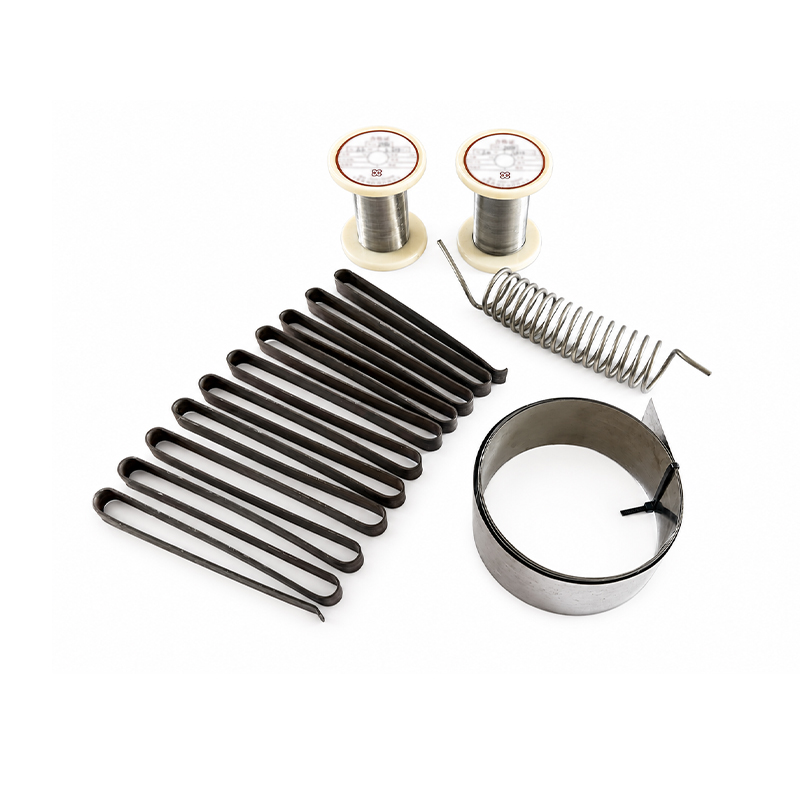
Wind into spiral, wave or frame heating elements according to design dimensions; avoid excessive stretching. Install firmly to ensure even heating and prevent high‑temperature sagging and short circuits. Crimp or weld terminals properly to reduce contact resistance and avoid local overheating and burnout. Use preferably in oxidizing atmospheres; avoid long‑term high‑temperature service in sulfur‑, carbon‑ or nitrogen‑containing atmospheres.

Core Advantage Specification

Q1: What is the difference between nichrome alloy and nichrome‑iron alloy?
A1: Nichrome alloy contains no or very low iron, with better high‑temperature oxidation resistance and longer service life. Nichrome‑iron alloy has lower cost and easier processing after adding iron, suitable for general heating applications with moderate service life requirements.

Q2: What are these alloy wires mainly used for?
A2: They are mainly used as electric heating wire, heating tube, furnace wire, load resistor and heating elements. They are also used to make MI cables, being the most common heating material for industrial furnaces, home appliances and drying equipment.

Q3: Can they be used in vacuum or reducing atmospheres?
A3: Long‑term use in reducing, sulfurous or carburizing atmospheres is not recommended, as it may cause embrittlement and shorten service life. They are more suitable for air and oxidizing atmospheres.

Q4: Is a thicker heating wire more powerful?
A4: No. For the same material, a thicker wire has lower resistance and thus higher power at the same voltage. However, thicker wire carries larger current and is more durable; selection should be based on design resistance and power.

Q5: Can a broken wire be joined and reused?
A5: It can be twisted or welded, but the joint will have higher resistance and is prone to overheating and breaking again. Full replacement is recommended for stable performance.
Name
Code
C P S Mn Si Cr Ni Al Fe
Less than
NiCr Cr20Ni80(6J20) 0.08 0.02 0.015 0.60 0.75~1.60 20.0~23.0 Bal ≤0.50 ≤1.0
NiCr Cr30Ni70 0.08 0.02 0.015 0.60 0.75~1.60 28.0~31.0 Bal ≤0.50 ≤1.0
NiCrFe Cr15Ni60 0.08 0.02 0.015 0.60 0.75~1.60 15.0~18.0 55.0~61.0 ≤0.50 Bal
NiCrFe Cr20Ni35 0.08 0.02 0.015 1.0 1.00~3.00 18.0~21.0 34.0~37.0 Bal
NiCrFe Cr20Ni30 0.08 0.02 0.015 1.0 1.00~3.00 18.0~21.0 30.0~34.0 Bal

Name Code Resistivity
at20℃ μΩ.m
Thermal conductivity KJ/m.h.℃ Melting Point ℃  Linear expansion coefficient ×10⁶/℃ Max. Working Temp ℃
NiCr Cr20Ni80(6J20) 1.09±0.05 60.3 1400 18.0 1200
NiCr Cr30Ni70 1.18±0.05 45.2 1380 17.0 1250
NiCrFe Cr15Ni60 1.12±0.05 45.2 1390 17.0 1150
NiCrFe Cr20Ni35 1.04±0.05 43.8 1390 19.0 1100
NiCrFe Cr20Ni30 1.04±0.05 43.8 1390 19.0 1100