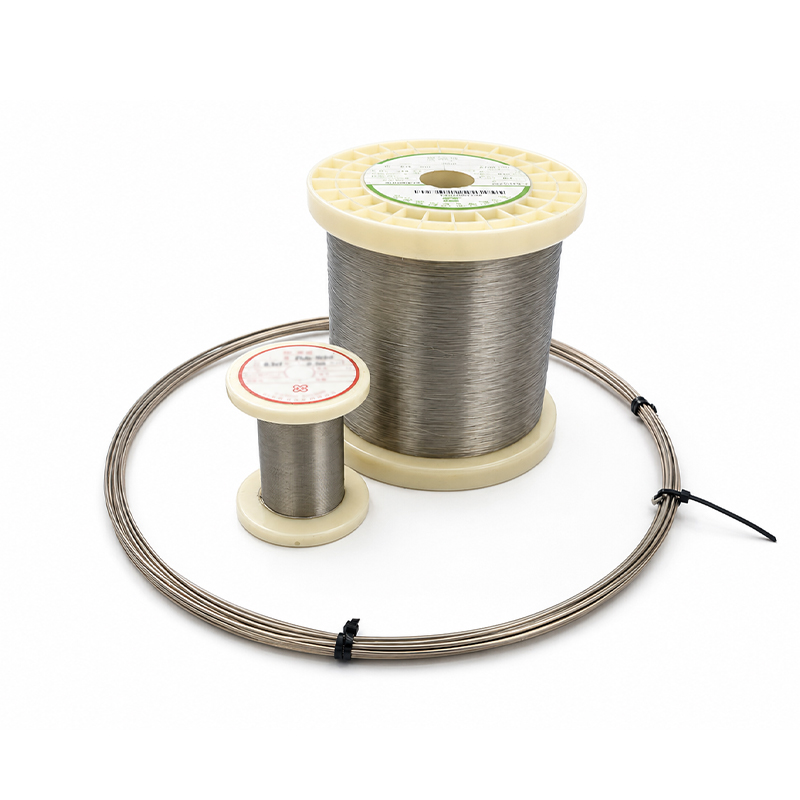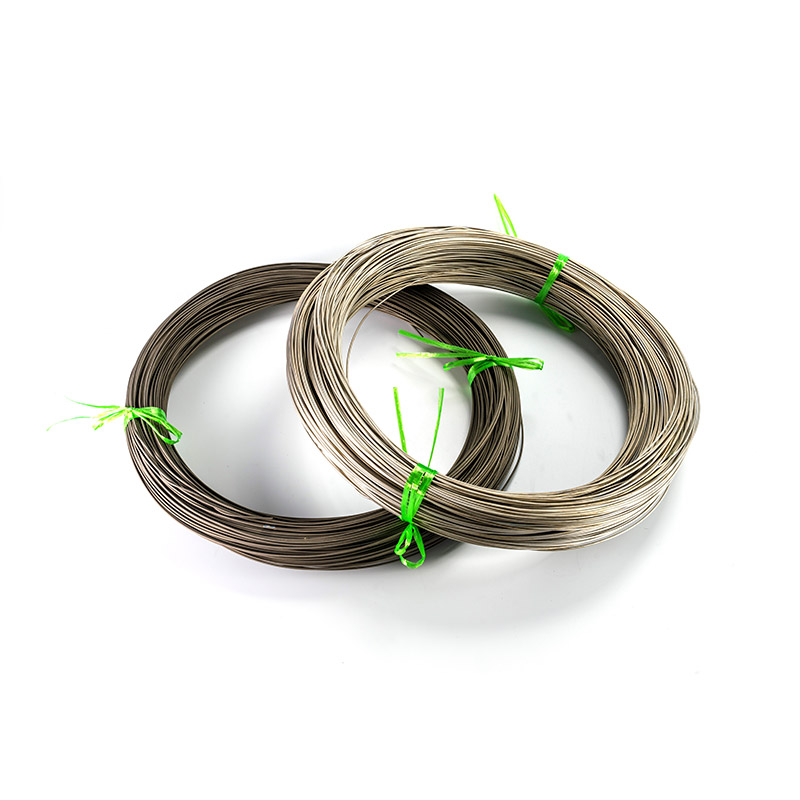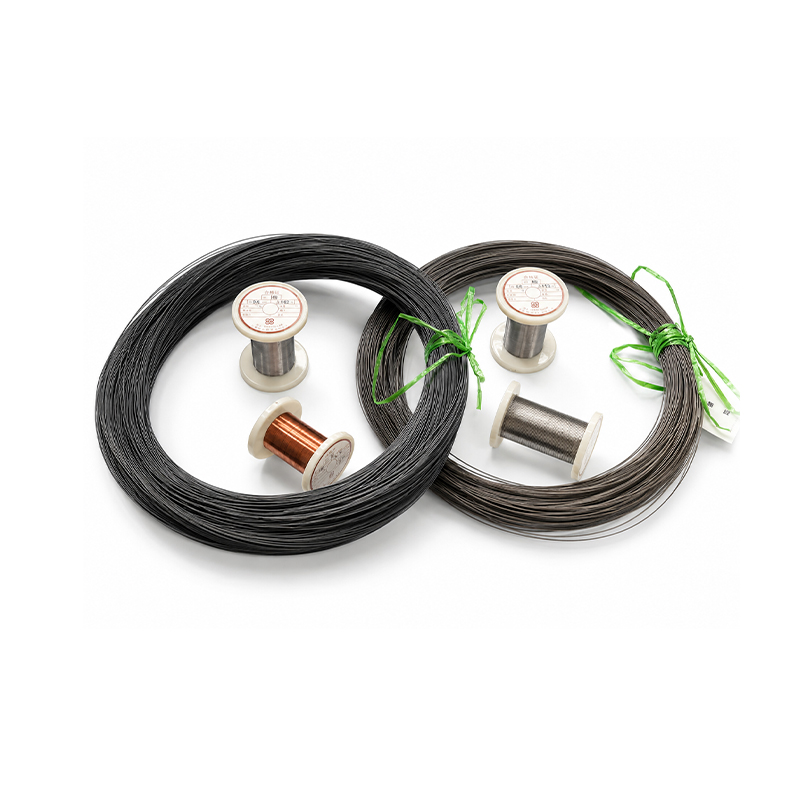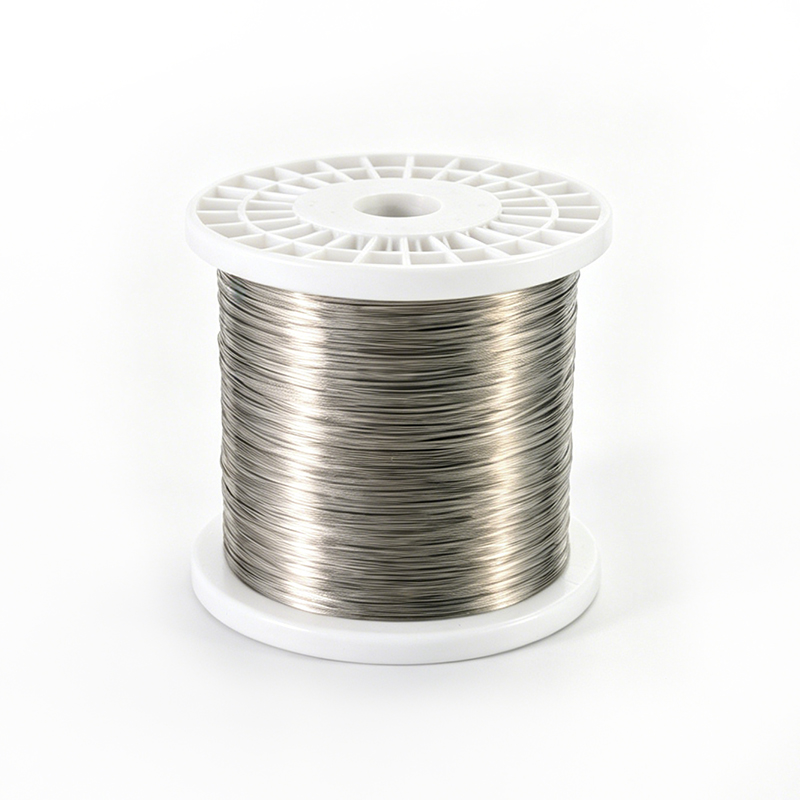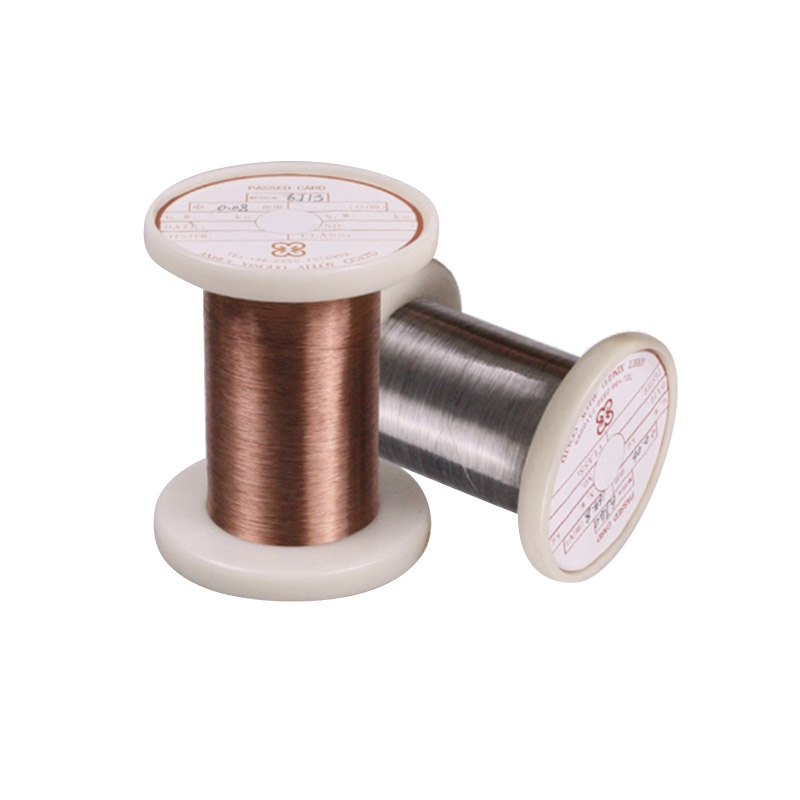
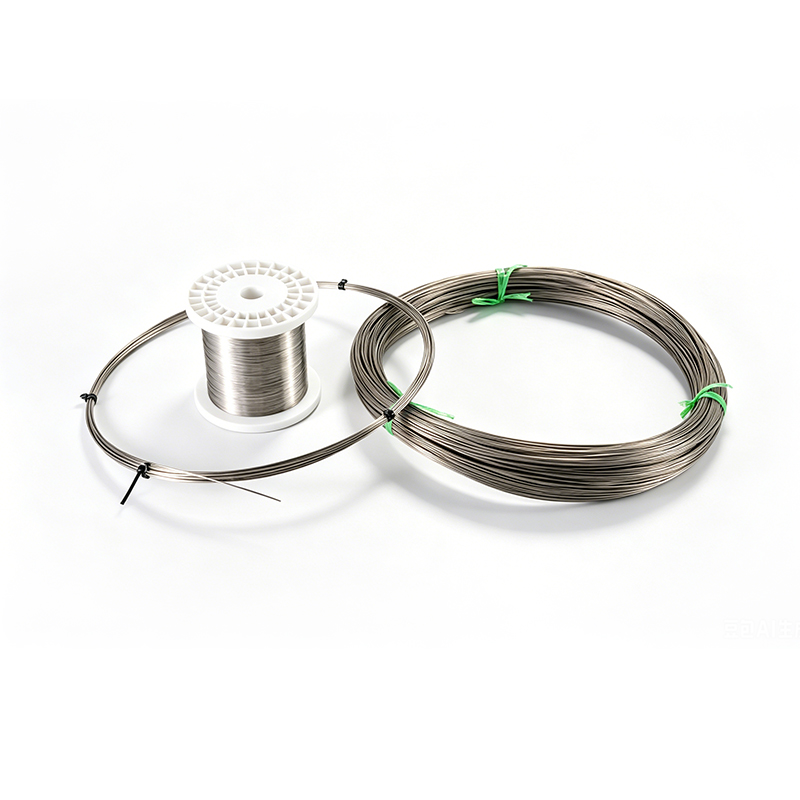
Pure nickel wire
Home / Product / Alloy wire / Pure nickel wire
  • Pure nickel wire
  • Pure nickel wire

Pure nickel wire

Product Introduction:
Pure nickel wire is a metal wire processed from high-purity nickel as raw material. It features excellent electrical conductivity, thermal conductivity, ductility and weldability, with a high melting point, good machinability and formability, suitable resistivity, high radiation coefficient and large thermal conductivity. We provide pure nickel wire in grades such as N4 and N6, with a nickel content exceeding 99.5%.

Applications & Instructions
1. Electronics & Electrical Appliances
Used as electronic leads, conductive jumpers, connectors, relay contacts, and conductive pins for vacuum devices.

2. Batteries & New Energy
Used for tabs, lead-out wires and welding pins of lithium batteries and nickel-metal hydride batteries.

3. Hydrogen Energy Industry
Nickel nets woven from pure nickel wire are widely used as auxiliary electrodes in electrolyzers for water electrolysis hydrogen production.

4. Instruments & Temperature Measurement
Used as lead wires or signal output sensors for platinum resistance temperature measurement elements.

5. Vacuum & High-Temperature Equipment
Used in vacuum furnaces, electric vacuum devices, arc extinguishers and high-temperature resistant structural wires.

6. Chemical Industry & Corrosion Protection
Used as corrosion-resistant wires, screens and seals in alkaline and neutral atmospheres.

7. Lighting & Electric Light Sources
Internal leads and support wires for incandescent lamps, halogen lamps, xenon lamps, etc.

Instructions
It can be bent, wound, stamped, welded and otherwise processed. It features good ductility and is not easy to break. With excellent weldability, it supports soldering, resistance welding and argon arc welding, providing firm connection and stable conductivity. It performs better in alkaline and neutral atmospheres; avoid long-term use in strong oxidizing high-temperature environments. Avoid excessive stretching and sharp scratches during installation to prevent damage to strength and conductivity.

Core Advantage Specification

Q1: What is the difference between pure nickel wire and nickel-chromium wire?
A1: Pure nickel wire has better conductivity and is mainly used for conduction, leads and electrodes. Nickel-chromium wire has high resistance and is mainly used as heating wire and electric heating elements.

Q2: Can pure nickel wire be used as heating wire?
A2: Yes, but it has low resistivity. To achieve the same power, thinner and longer wire is required. Besides, its oxidation resistance at long-term high temperatures is inferior to nickel-chromium alloy. It is generally only used for low-temperature or vacuum heating.

Q3: Is pure nickel wire magnetic?
A3: It is generally non-magnetic or weakly magnetic at room temperature. It may become slightly magnetic after temperature change or processing, which is normal.

Q4: How about the corrosion resistance of pure nickel wire?
A4: It has good corrosion resistance in alkaline, neutral and fresh water environments, but is prone to oxidation and corrosion in strong acids and high-temperature strong oxidizing environments.

Q5: Is pure nickel wire easy to weld?
A5: Yes. It has excellent weldability and supports soldering, resistance welding and argon arc welding. It is a commonly used weldable material for battery leads and electronic pins.
Type Main Composition (%) Impurities (%)
Ni Fe Si Mn Cu C S
N4 ≥99.9 ≤0.04 ≤0.03 ≤0.002 ≤0.015 ≤0.01 ≤0.001 ≤0.1
N5
(Nickel200)
≥99.0 ≤0.4 ≤0.35 ≤0.35 ≤0.25 ≤0.15 ≤0.01 ≤0.01
N6 ≥99.5 ≤0.10 ≤0.15 ≤0.10 ≤0.10 ≤0.05 ≤0.005 ≤0.5
N7
(Nickel201)
≥99.0 ≤0.4 ≤0.35 ≤0.35 ≤0.25 ≤0.02 ≤0.01 ≤0.01
N8 ≥98.5 ≤0.50 ≤0.35 ≤0.50 ≤0.10 ≤0.02 ≤1.5