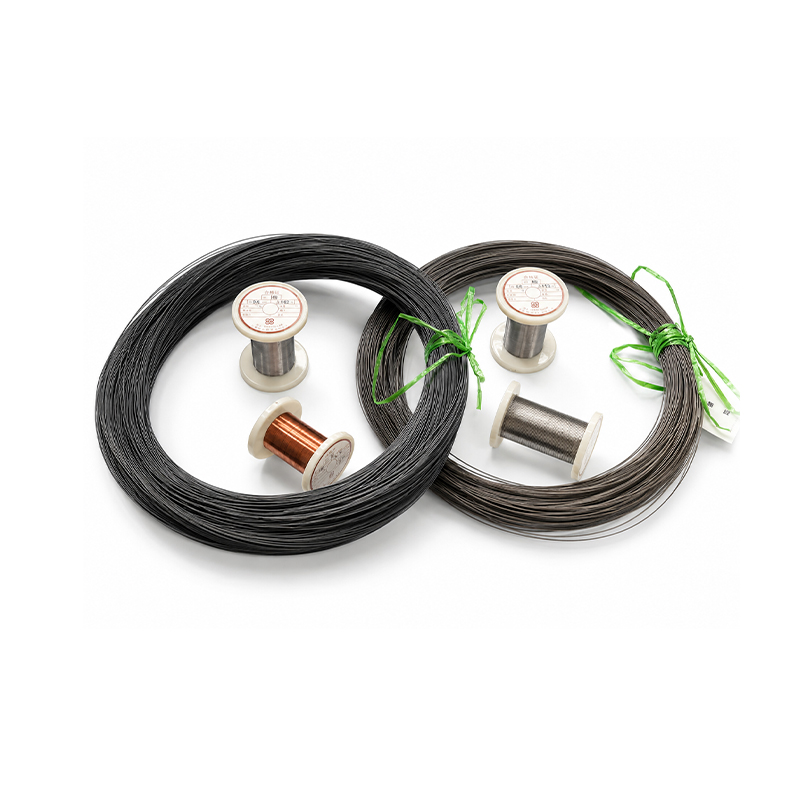
Thermocouple alloy wire
Home / Product / Alloy wire / Thermocouple alloy wire
  • Thermocouple alloy wire
  • Thermocouple alloy wire

Thermocouple alloy wire

Product Introduction
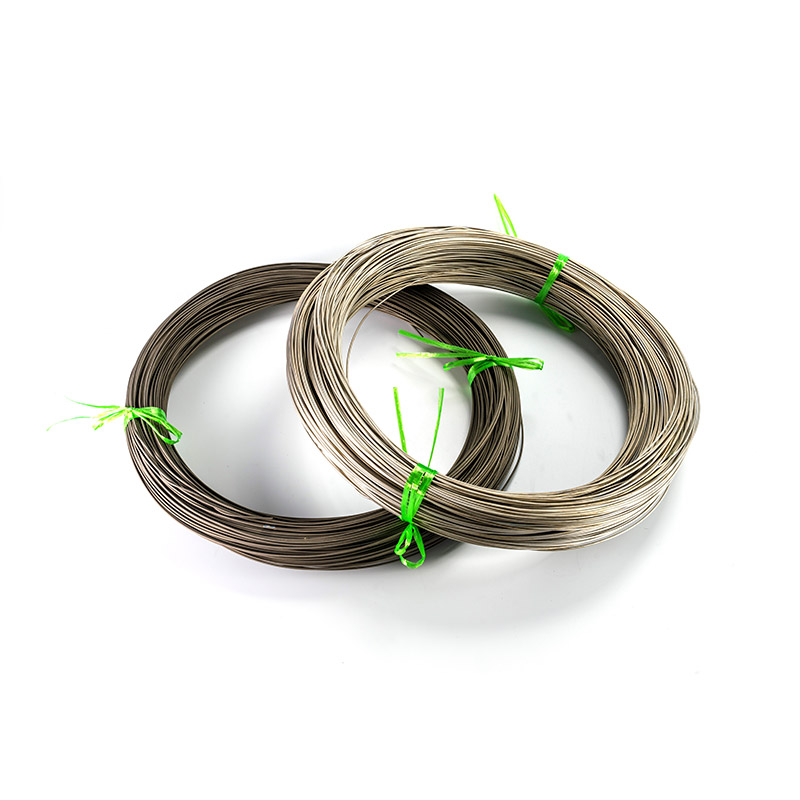
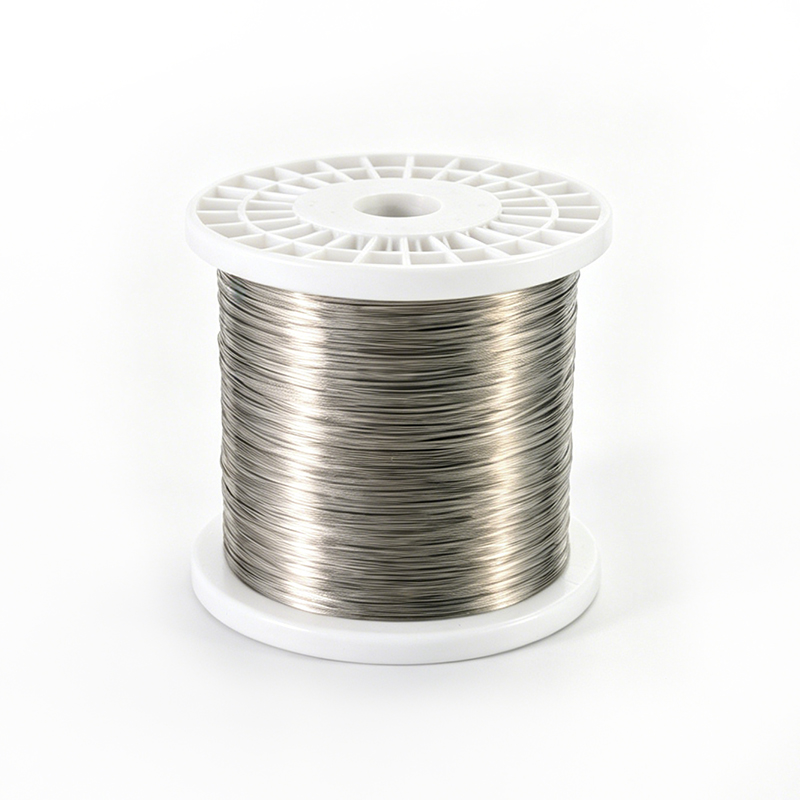
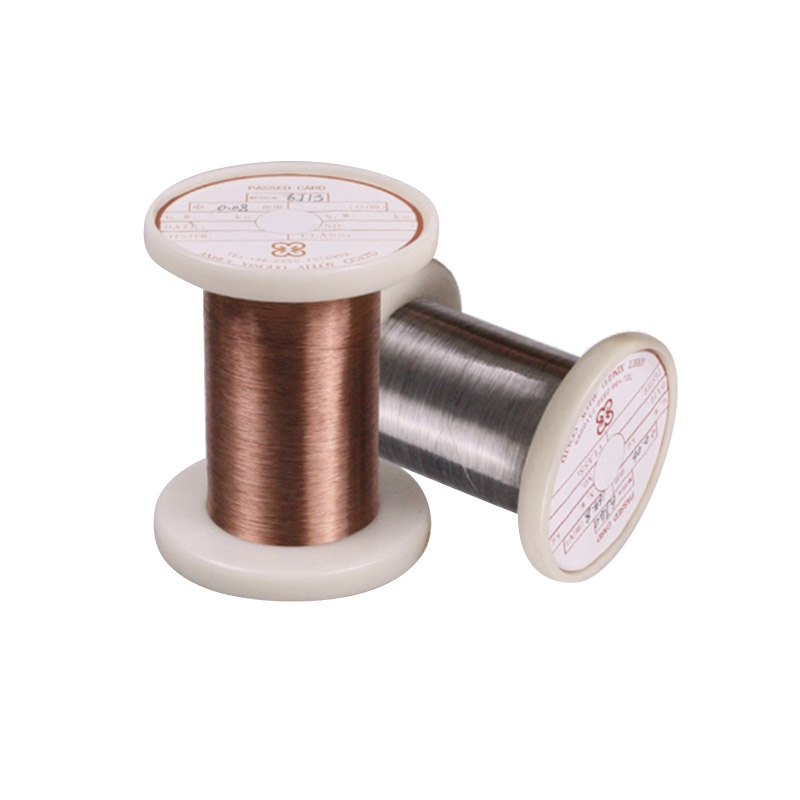
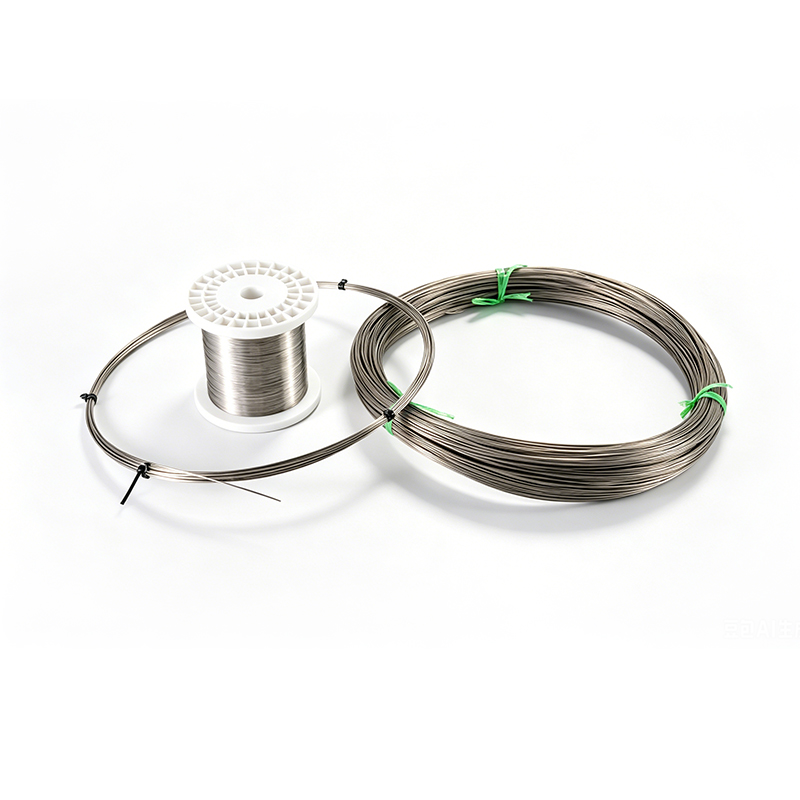
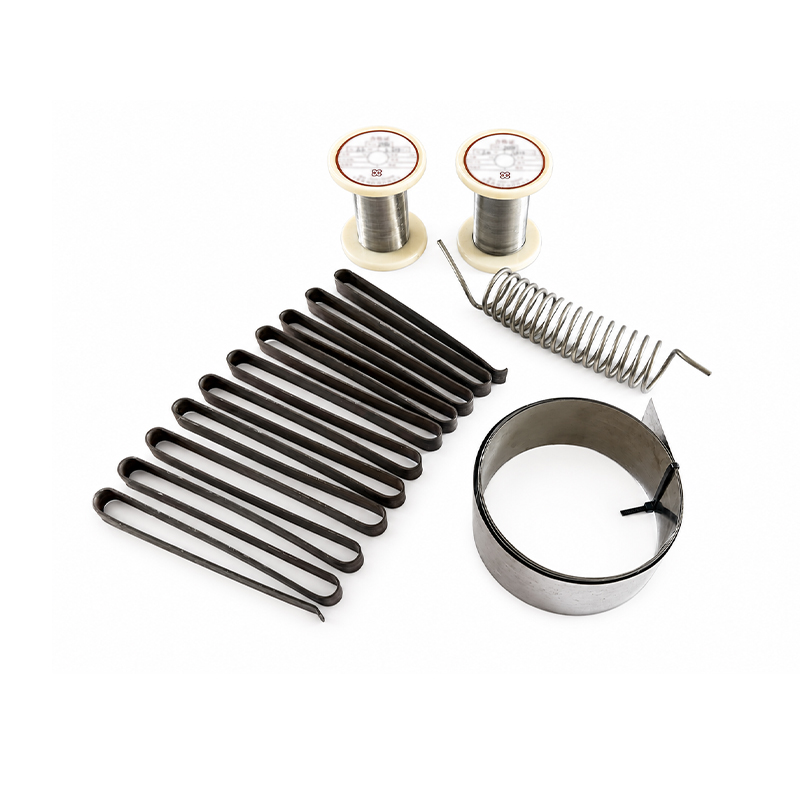
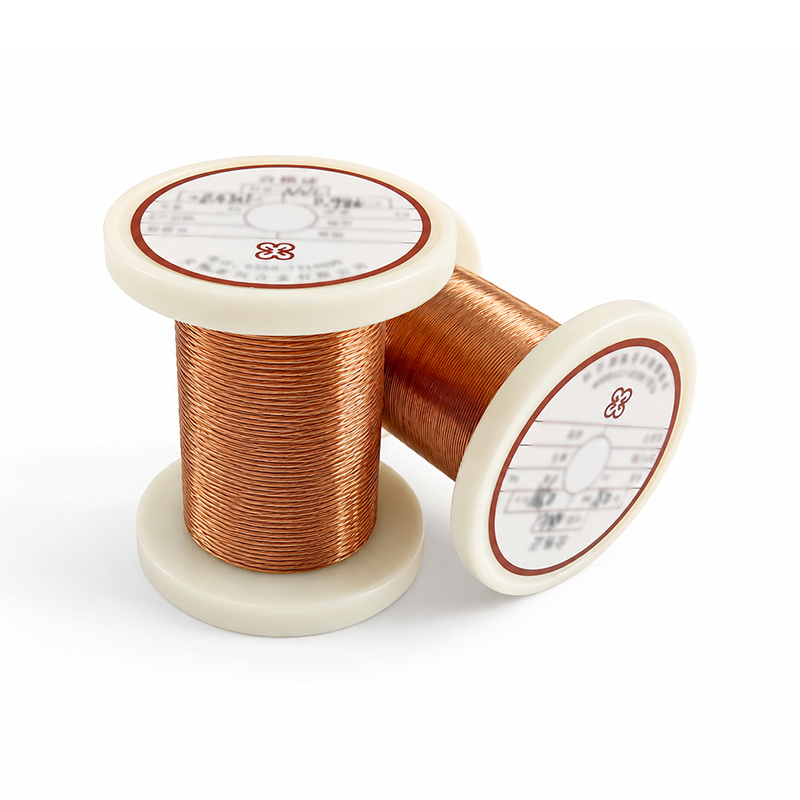
Thermocouple alloy wire is a precision temperature‑measuring alloy wire mainly composed of nickel, chromium, silicon, copper and other metals. Consisting of two or more different metals, it converts temperature differences into voltage signals based on the thermoelectric effect to realize temperature measurement. It features stable thermoelectric output, low thermoelectric drift, good oxidation resistance and uniformity, wide measuring range, high accuracy and excellent mechanical properties. It can be made into thermocouples of various standard types such as K, N, E, J and T, serving as the core functional material in the field of temperature measurement and control.

Specifications
Subject to the data in the product catalog!!!

Applications & Instructions
1. Metallurgical Industry
Furnace temperature monitoring for blast furnaces, converters, continuous casting, rolling mills and heat treatment furnaces; temperature measurement of molten metals such as molten steel and molten aluminum.

2. Petrochemical Industry
Process temperature monitoring for reaction kettles, cracking furnaces, pipelines, heat exchangers and catalytic units, suitable for corrosive, high‑pressure, flammable and explosive environments.

3. Electric Power & Energy
Temperature measurement for boilers, steam turbines, heat exchangers and flues in thermal power plants; temperature monitoring for wind power, photovoltaic, energy storage equipment and battery packs.

4. Automotive & Equipment Manufacturing
Engine exhaust temperature, cylinder temperature, exhaust treatment system, heat treatment production line and mold temperature control.

5. Building Materials & Kilns
High‑temperature continuous temperature measurement for cement rotary kilns, glass furnaces, ceramic sintering furnaces and refractory material production.

6. Food, Medicine & Laboratories
Precision temperature control for sterilization equipment, ovens, incubators, low‑temperature refrigerators and scientific research instruments.

7. Aerospace & Special Equipment
Temperature measurement for engine testing, high‑temperature test benches, aero‑engines and thermal components of spacecraft.

Instructions
It can be directly wound or spot‑welded into bare thermocouples, or made into armored thermocouples, patch thermocouples, needle probes, assembled thermocouples and other finished products, suitable for fixed, portable, embedded and other installation methods.

Core Advantage Specification

Q1: How to choose thermocouple wires of different materials?
A1: Common types:
Type K (Nickel‑Chromium / Nickel‑Silicon or Nickel‑Aluminum): medium/high temperature, universal.
Type E (Nickel‑Chromium / Copper‑Nickel): high sensitivity, medium/low temperature.
Type J (Iron / Copper‑Nickel): medium temperature, cost‑effective.
Type T (Copper / Copper‑Nickel): low temperature and precision low‑temperature measurement.
Type N (Nickel‑Chromium‑Silicon / Nickel‑Silicon‑Magnesium): high temperature, stable and good linearity.

Q2: What should be noted during use?
A2: The measuring junction shall be in full contact with the measured object; cold‑junction temperature compensation is required; wiring shall be away from strong electromagnetic interference; strictly avoid over‑temperature use to prevent oxidation, brittle fracture and measurement drift.

Q3: Why do thermocouple wires become inaccurate or damaged?
A3: Common causes: over‑temperature leading to material oxidation, poor welding or false welding, reversed positive and negative poles, insulation damage and short circuit, lack of cold‑junction compensation, wire breakage due to corrosion or mechanical vibration, and mismatched type between material and instrument.

Q4: Can I cut and weld it by myself?
A4: It can be cut to adjust the length according to installation needs. The measuring junction must be reliably welded (oxy‑welding, argon arc welding, etc.) to ensure firm connection without cold welding. The cold end connection shall be in good contact to avoid looseness affecting measurement.
Thermocouple temperature range and tolerance
Usag Classification Grade Max.operating temperature (℃) Temperature range (℃) Tolerance Standarg
Longterm Shortterm
K I 1200 1300 -40~1100 ±1.5℃ or ±0.4%t GB/T2614
K II -40~1300 ±2.5℃ or ±0.75%t
E I 750 900 -40~800 ±1.5℃ or ±0.4%t GB/T4993
E II -40~900 ±2.5℃ or ±0.75%t
J I 600 750 -40~750 ±1.5℃ or ±0.4%t GB/T4994
J II -40~750 ±2.5℃ or ±0.75%t
T I 300 350 -40~350 ±0.5℃ or ±0.4%t GB/T2903
T II -40~350 ±1℃ or ±0.75%t
T III -200~40 ±1℃ or ±1.5%t
N I 1200 1300 -40~1100 ±1.5℃ or ±0.4%t GB/T17615
N II -40~1300 ±2.5℃ or ±0.75%t

Physical Properties
TYPE Density at 20℃
(g/cm³)
Melting point
Tensile Strength
(Mpa)
Elongation
(%)
Resistivity at 20℃
(μΩ.cm)
KP 8.5 1427 ≥490 ≥10 70.6
KN 8.6 1399 ≥390 ≥15 29.4
NP 8.5 1410 ≥620 ≥30 100
NN 8.6 1340 ≥550 ≥35 33
EP 8.5 1427 ≥490 ≥25 70.6
EN 8.8 1220 ≥390 ≥25 49
JP 7.8 1402 ≥240 ≥20 12
JN 8.8 1220 ≥390 ≥25 49
TP 8.9 1084 ≥196 ≥20 1.71
TN 8.8 1220 ≥390 ≥25 49

Chemical Composition %
TYPE Chemical Composition %
Ni Cr Si Mg Fe Cu
K KP 90 10 / / / /
KN 97 / 3 / / /
N NP Bal 13.7~14.7 1.2~1.6 <0.01 / /
NN Bal <0.02 4.2~4.6 0.5~1.5 / /
E EP 90 10 / / / /
EN 45 / / / / 55
J JP / / / / 100 /
JN 45 / / / / 55
T TP / / / / / 100
TN 45 / / / / 55