 INQUIRY
 English
 عربى
عربى русский
 中文简体
中文简体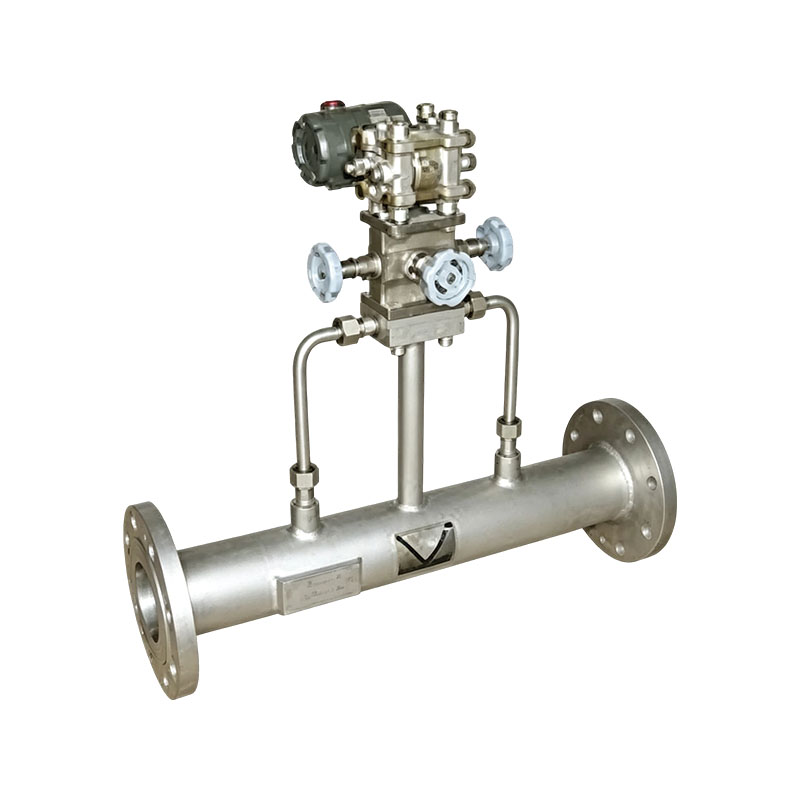

Q1: What is the principle of a wedge flowmeter, and what is its biggest advantage?
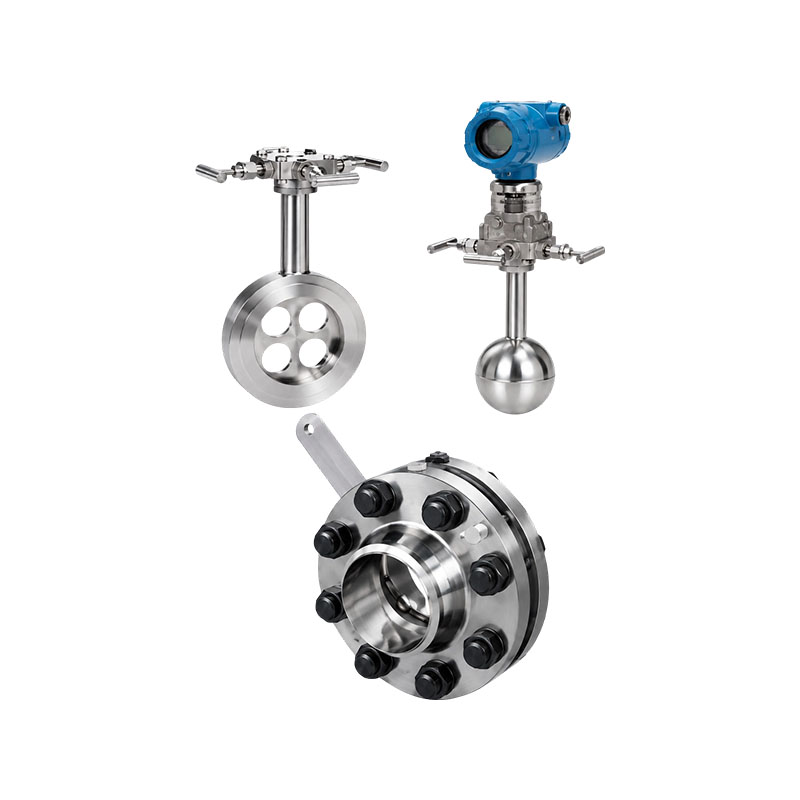
A: Belonging to the differential pressure throttling flowmeter, the fluid flows through a V-shaped wedge block in the pipeline, and a differential pressure is generated before and after the wedge block. The flow rate is calculated based on the differential pressure. Core advantages: No dead corners, self-flushing effect, skilled in measuring high-viscosity and solid-particle-containing dirty media, stable measurement even at low Reynolds numbers, and support for bidirectional flow detection.
Q2: What are the requirements for the straight pipe section of a wedge-shaped flowmeter?
A: Requires a length shorter than the orifice plate, generally 5D in the front and 3D in the back (D is the inner diameter of the pipeline); Elbows, valves, and reducers can disturb the flow field, so try to avoid them as much as possible; During installation, the pointed corners of the wedges should face downwards to ensure smooth flow of solid particles and avoid accumulation.
Q3: Under what circumstances is traffic measurement inaccurate?
A: Common reasons: ① Blockage, accumulation of fluid, and leakage of pressure pipes; ② Wedge wear and scaling change the throttling area; ③ The transmitter range and square root parameter configuration are incorrect; ④ The viscosity of the medium differs significantly from the calibration conditions. Prioritize checking the sealing of the impulse piping and transmitter parameters.
Q4: Does the wedge flowmeter need regular maintenance?
A: No moving parts, low daily maintenance. It is recommended to regularly blow and clean the pressure pipeline under solid/high dust conditions; Open the three-valve group balance valve to protect the transmitter during long-term shutdown; When blowing the pipeline, the flowmeter needs to be removed to prevent welding slag from scratching the surface of the wedge block and affecting accuracy.