 INQUIRY
 English
 عربى
عربى русский
 中文简体
中文简体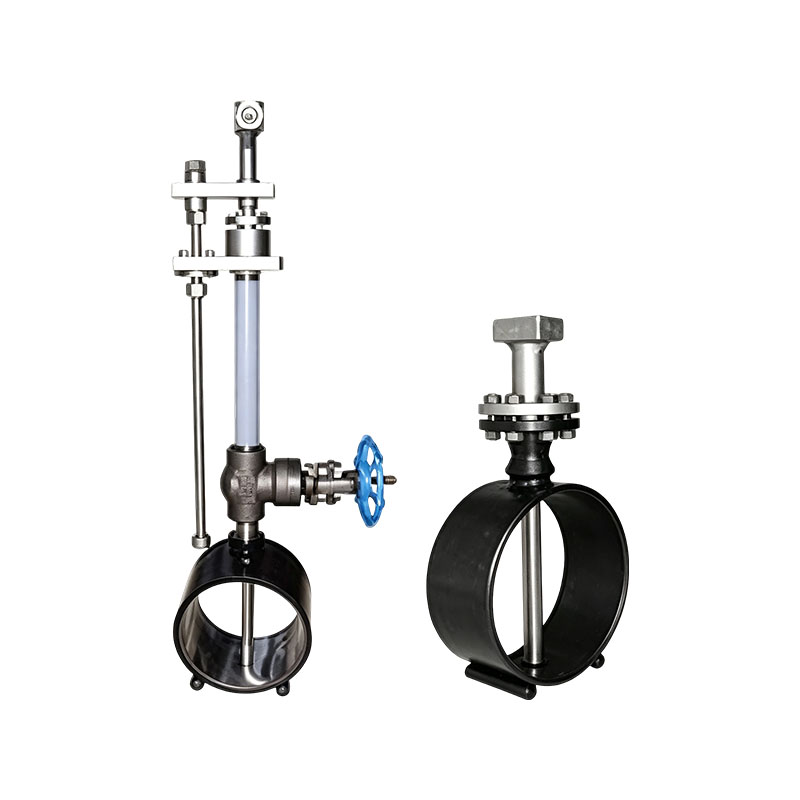

Q1: What is the principle of a Dilbar flowmeter and what media can it measure?
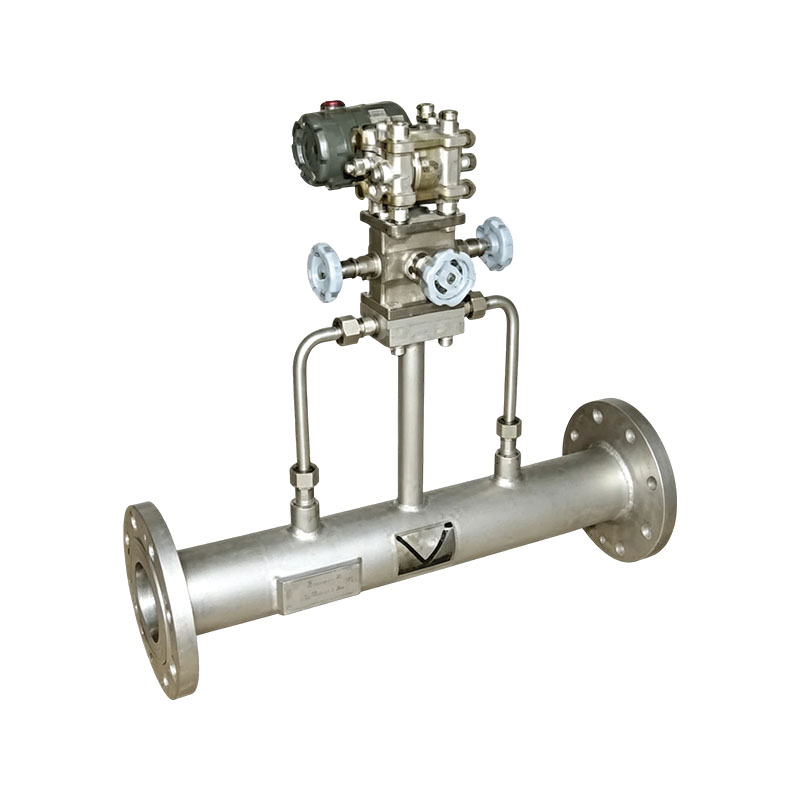
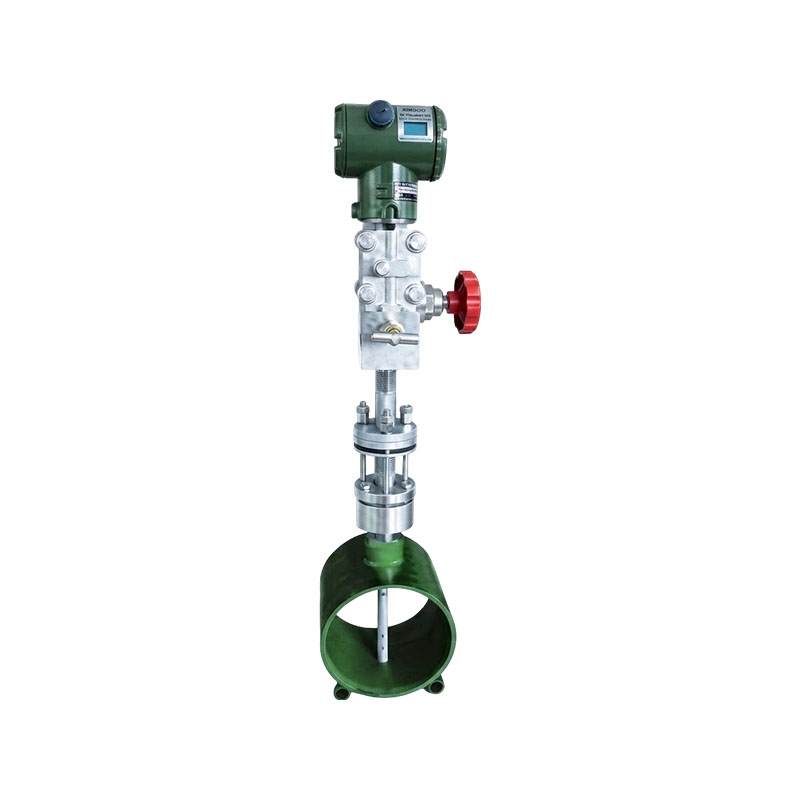
A: Belonging to the plug-in averaging tube differential pressure flowmeter, based on the Bernoulli principle, the probe collects the average total pressure on the upstream side and the static pressure on the downstream side to obtain differential pressure signals. It is equipped with a differential pressure transmitter and is combined with temperature and pressure compensation to calculate the flow rate. It can measure gases, liquids, and saturated/superheated steam, and is suitable for large-diameter pipelines above DN38, such as flue gas, compressed air, circulating water, and steam.
Q2: What are the reasons for the inaccurate display of Dilba flow rate, such as excessive or insufficient flow?
A: Common 4 points: ① Leakage, accumulation, and blockage of pressure pipelines; ② The transmitter range and square root parameter settings are incorrect, and the DCS range does not match; ③ Insufficient installation of straight pipe sections and incorrect insertion depth of probes; ④ The actual inner diameter of the pipeline does not match the calibration ID of the probe. Prioritize checking the sealing of the pressure pipe and verifying the probe parameters and transmitter configuration.
Q3: Will the Dilbar probe get stuck? How to deal with dusty media?
A: Dilbar itself comes with an anti-blocking pressure hole design, which is not easily blocked during normal continuous operation. However, high dust, viscous, and fibrous media still pose a risk of blockage during long-term shutdowns and frequent starts and stops. Solution: Install an online blowing device and regularly blow back compressed air/steam; Close the high- and low-pressure valves during shutdown, and open the balance valve to protect the pressure pipeline.
Q4: What are the requirements for the installation of Dilba's straight pipe section, and can it be installed online with pressure?
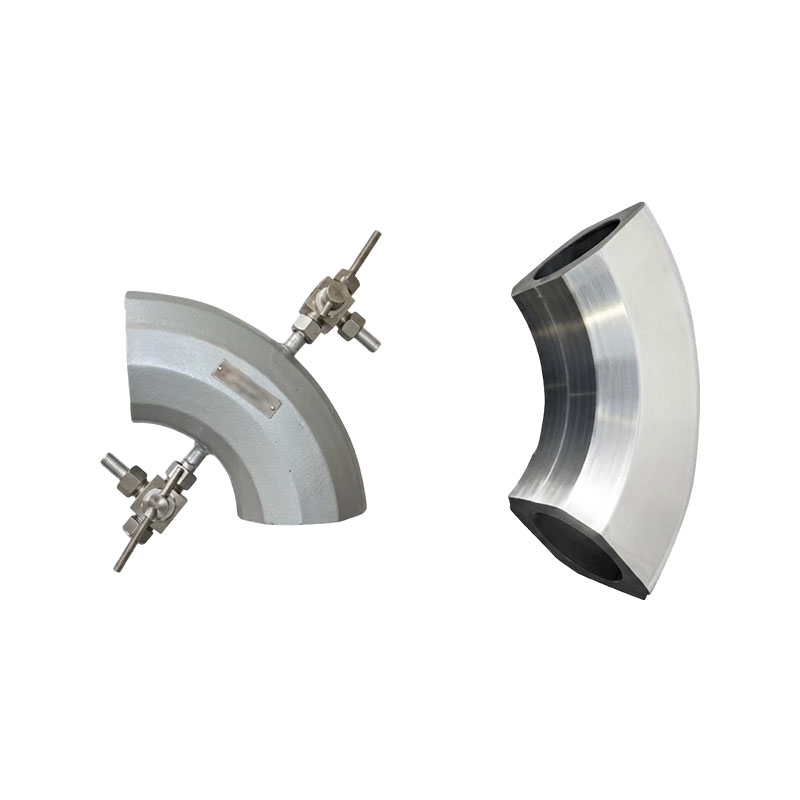
A: Generally, it is required to have a straight pipe section of 10D in the front and 5D in the back (where D represents the inner diameter of the pipeline). Bends, valves, and reducers will disturb the flow field and reduce accuracy. The plug-in structure supports continuous installation under pressure, suitable for large pipeline renovation projects. Ensure that the probe is facing the fluid flow direction during installation. After the pipeline scanning is completed, install the probe to avoid damage to the pressure tapping hole caused by welding slag.