 INQUIRY
 English
 عربى
عربى русский
 中文简体
中文简体

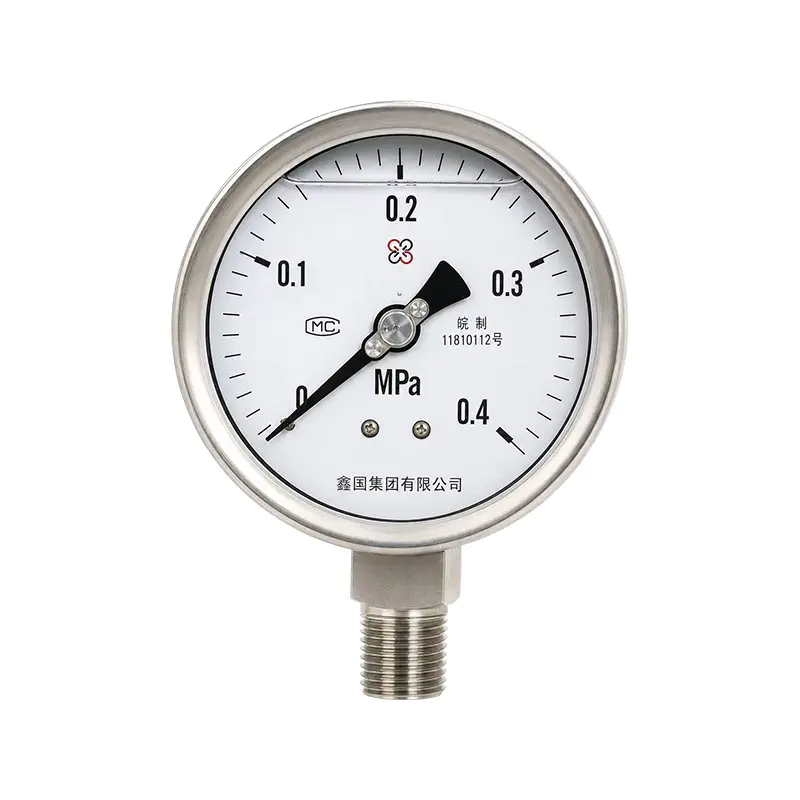
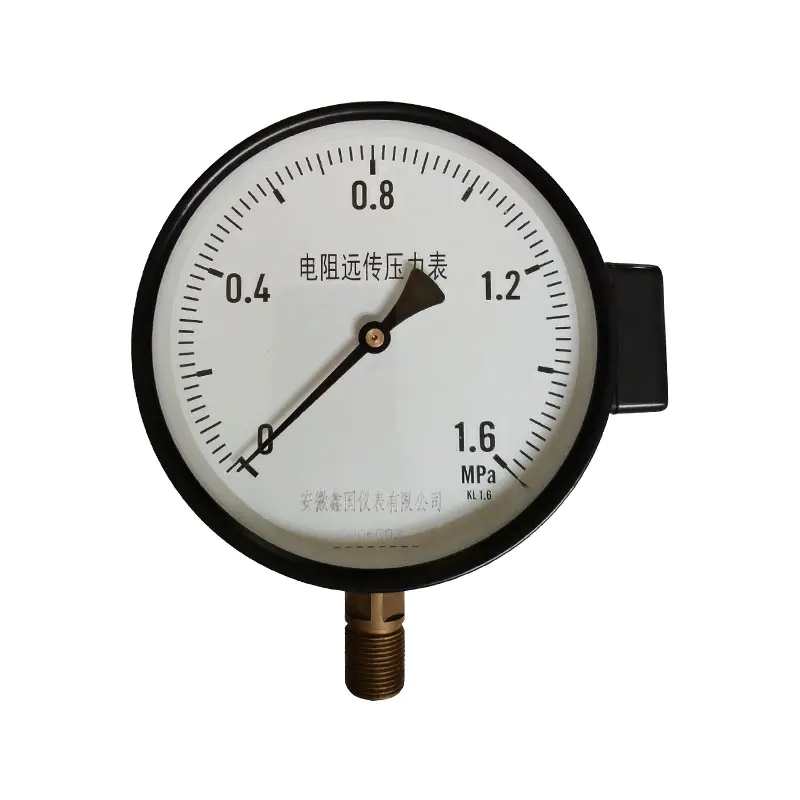
Q1: Why can't an ammonia pressure gauge be replaced with a regular copper core pressure gauge?
A: Ammonia gas can corrode copper alloys, causing the spring tube to corrode, crack, and leak the medium, posing a safety hazard. All ammonia pressure gauges use stainless steel overcurrent components, and the use of copper core gauges for ammonia systems is strictly prohibited.
Q2: Can an ammonia pressure gauge measure gaseous ammonia or liquid ammonia?
A: Can be applied to both gaseous and liquid ammonia measurement simultaneously; However, the temperature fluctuation and pressure change of liquid ammonia working conditions are significant. It is recommended to use a shock-resistant ammonia pressure gauge to improve its service life.
Q3: Can ammonia pressure gauges be used for other corrosive media?
A: Specially designed for ammonia media, optimized for ammonia and liquid ammonia; It is not recommended to use it directly with other strongly corrosive media, and a diaphragm-type anti-corrosion pressure gauge should be selected.
Q4: How to deal with needle jumping and inaccurate readings?
A: Common reasons: large pressure pulsation, high temperature, and internal components being corroded by the medium. Choose a shock-resistant ammonia pressure gauge for vibration and pulsation conditions; Avoid using it beyond the range, conduct regular inspections, and replace the casing immediately if corrosion or leakage occurs.