 INQUIRY
 English
 عربى
عربى русский
 中文简体
中文简体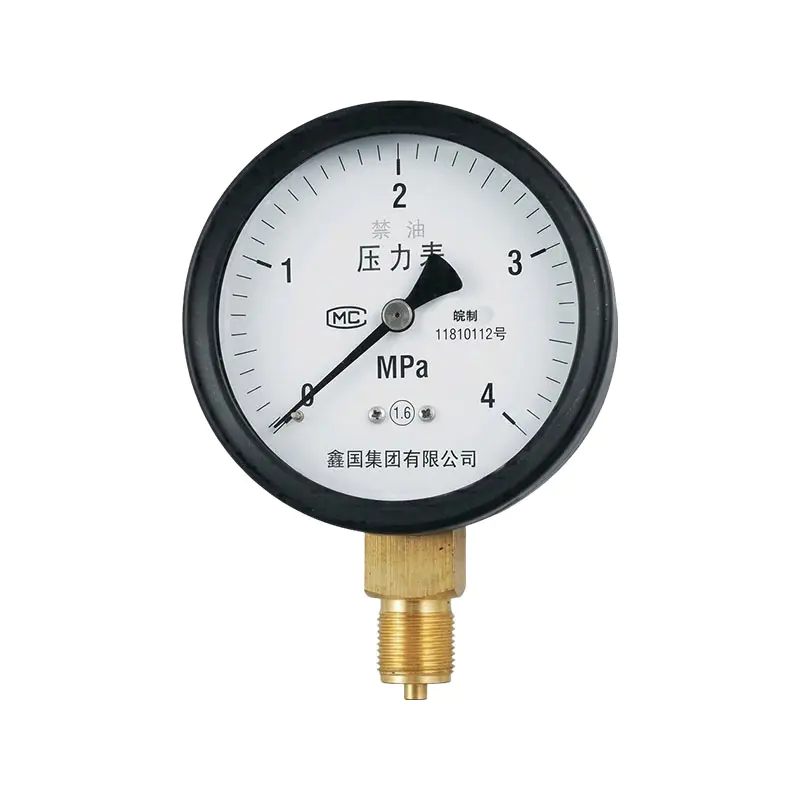

Q1: What material is the overcurrent component of a general pressure gauge made of, and can it measure corrosive media?
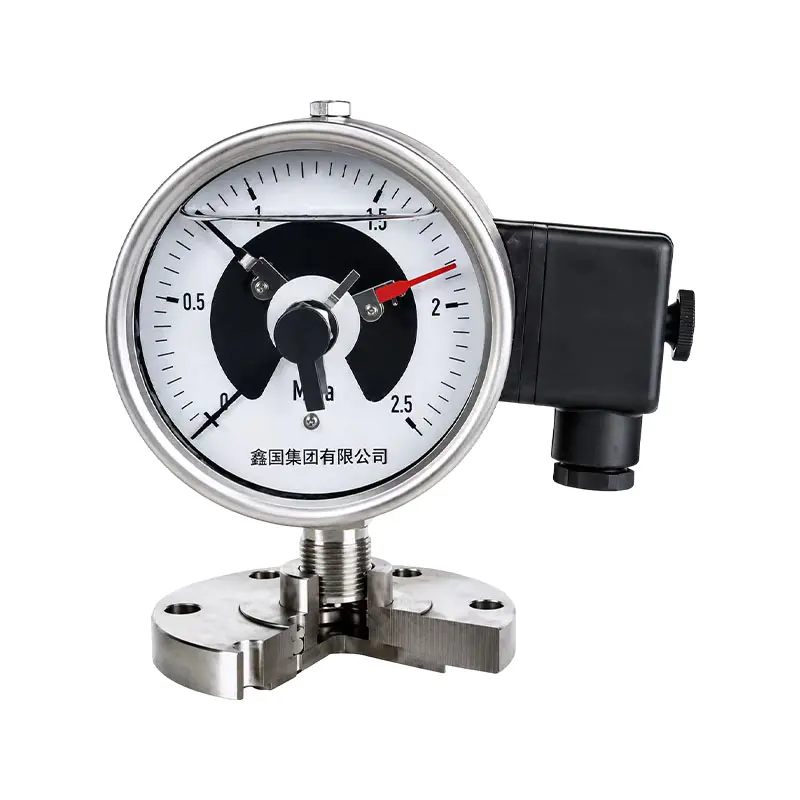
A: The overcurrent components of conventional pressure gauges are mostly made of copper alloy, which is only suitable for dry and non-corrosive media. Corrosive media cannot be used directly, and stainless steel pressure gauges should be selected. For strongly corrosive and granular media, diaphragm pressure gauges should be used.
Q2: Can general pressure gauges be used on site for pumps and compressors with high vibration?
A: Not suitable. Vibration and pressure pulsation environments can cause pointer shaking and damage to the spring tube. It is recommended to use a shock-resistant pressure gauge for such working conditions.
Q3: Can the pressure gauge pointer continue to be used if it does not return to zero?
A: If the pointer cannot return to zero, mostly due to an overpressure impact causing deformation of the spring tube, and the measurement is no longer accurate. It is not recommended to continue using and the instrument needs to be replaced.
Q4: Do general pressure gauges have temperature requirements for use?
A: The medium temperature should not be too high, as high temperatures can affect accuracy and even damage internal components. When the medium temperature is high, it is recommended to install heat dissipation pipes to reduce the temperature of the medium entering the body.