 INQUIRY
 English
 عربى
عربى русский
 中文简体
中文简体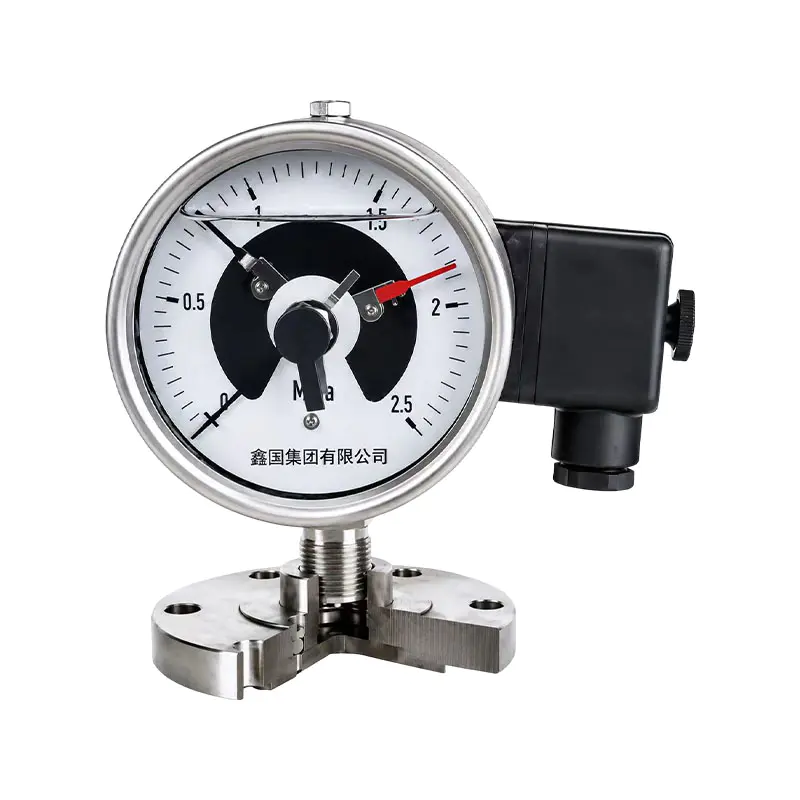

Q1: What is the difference between special magnetic-assisted electric contacts and ordinary magnetic-assisted electric contact pressure gauges?
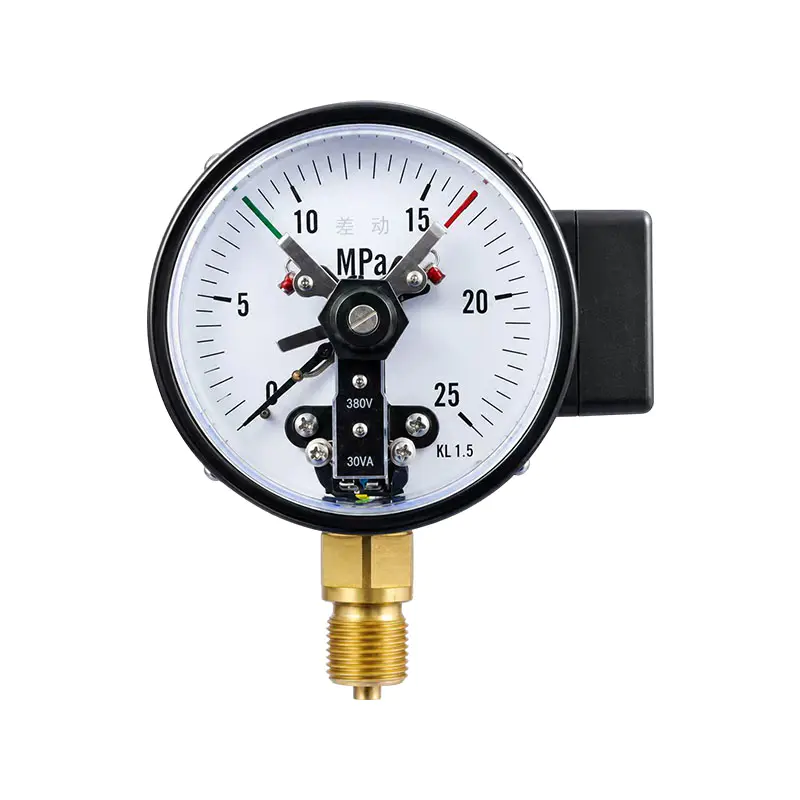
A: Ordinary magnetic-assisted electrical contacts are mostly used for conventional, non-corrosive, and low-vibration working conditions; The special version enhances the magnetic contact torque and can be paired with stainless steel, diaphragm, and membrane structures to adapt to harsh working conditions such as corrosion, pulsating impact, and viscous media. It has stronger resistance to overload and misoperation.
Q2: Can special magnetic-assisted electrical contacts directly drive high-power equipment?
A: No, the contacts are only used for signal output, and the load current is limited. External relays, contactors, relay-controlled pumps, valves, and other equipment must be connected. Directly carrying high-power loads will burn out the contact components.
Q3: Can it be used for media with particles and strong corrosion?
A: Sure, a special magnetic-assisted contact pressure gauge with a diaphragm/diaphragm structure needs to be selected, relying on diaphragm isolation for the medium. Do not let strongly corrosive or granular media come into contact with the spring tube core to avoid component damage.
Q4: How to troubleshoot contact misoperation during use?
A: Firstly, confirm whether there is excessive pressure pulsation or vibration, and prioritize using the shock-resistant version; Next, check if the contacts are oxidized; Do not set control points in frequently fluctuating pressure ranges; Avoid long-term overpressure use and regularly verify the contacts and zero points.