 INQUIRY
 English
 عربى
عربى русский
 中文简体
中文简体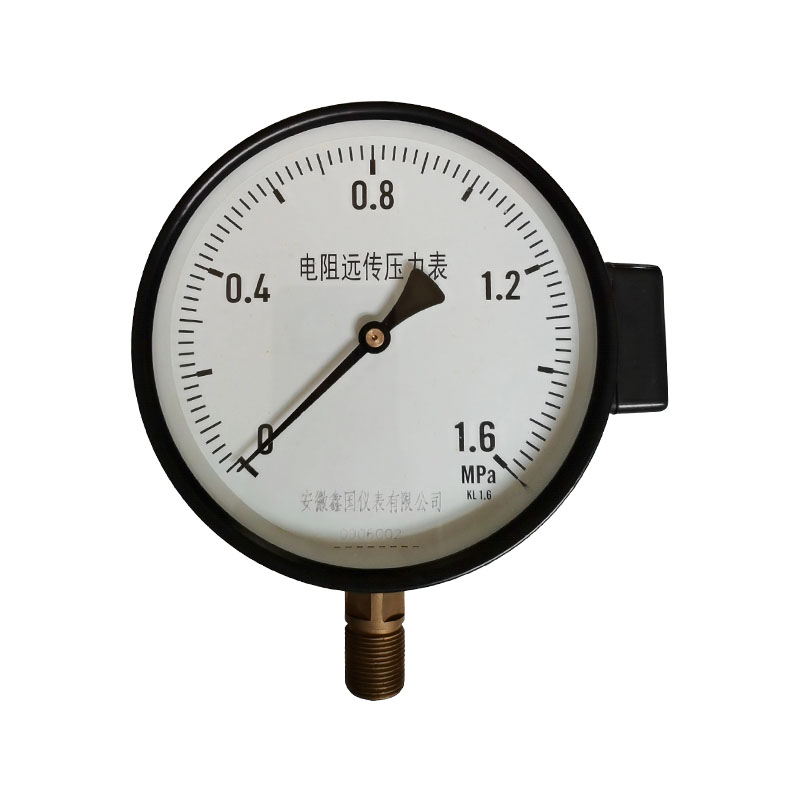

Q1: What is the output signal of the resistance remote pressure gauge, and can it be connected to a PLC?
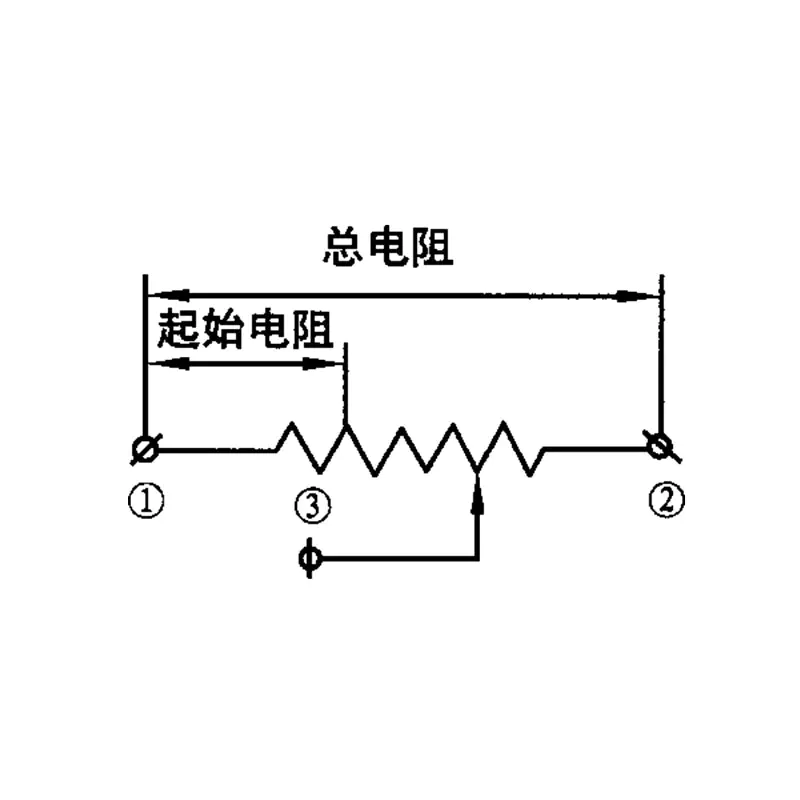
A: The output is a variable resistance signal, not 4-20mA. It cannot be directly connected to the PLC and requires a dedicated secondary display instrument to convert it into a standard signal before providing it to the PLC for use.
Q2: What are the reasons for inaccurate remote transmission and inconsistent readings between the control room and on-site pointers?
A: Common causes: excessive line resistance, loose wiring, worn sliding wire resistance, and deformation of the movement caused by overpressure. Suggest controlling the lead length, checking the wiring to avoid exceeding the range, and conducting regular calibration.
Q3: Can a resistance remote pressure gauge be used on a site with high vibration?
A: Priority should be given to using shock-resistant resistance remote pressure gauges for vibration conditions. Ordinary vibration will wear down the sliding resistance and cause signal drift; seismic-resistant models can cushion pressure fluctuations and extend the lifespan of sliding line resistors.
Q4: Can corrosive media be used for resistance remote pressure gauges?
A: The ordinary overcurrent components are made of copper alloy. For corrosive conditions, please use a fully stainless steel resistance remote pressure gauge. If the medium is viscous and contains particles, a diaphragm structure needs to be selected to protect the internal sliding resistance components from damage.