 INQUIRY
 English
 عربى
عربى русский
 中文简体
中文简体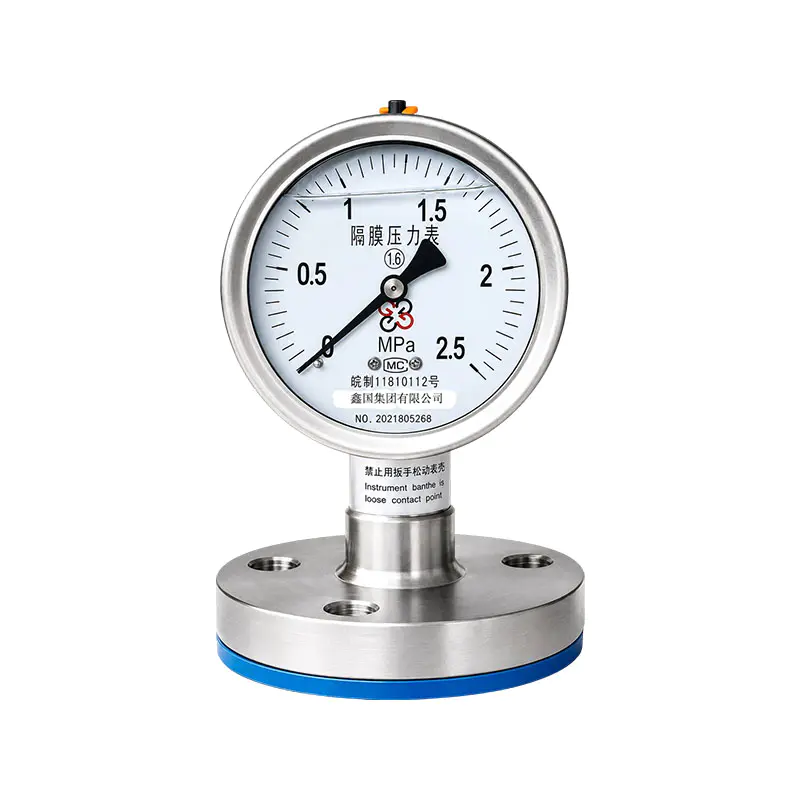

Q1: What is the difference between a sanitary diaphragm pressure gauge and a regular diaphragm pressure gauge?
A: The sanitary type adopts a flush membrane structure, without any concave or dead corners, with a high-gloss surface treatment, supporting CIP cleaning and SIP sterilization, and the interface is a clamp for quick installation, meeting GMP standards; Ordinary diaphragm meters have dead corners for medium retention and are mostly connected by threads/flanges. They are mainly used in chemical working conditions and are not suitable for clean production in food and pharmaceuticals.
Q2: Can high-temperature steam sterilization be performed?
A: Supports SIP online steam sterilization, but the medium temperature must be controlled and cannot be used for prolonged periods of overheating; Avoid pressure shock during sterilization, and it is recommended to insulate the header to prevent high-temperature damage to the internal pressure transmission medium.
Q3: How to confirm the specifications of the clamp interface?
A: Common clamp specifications include DN25, DN40, and DN50. It is necessary to confirm the outer diameter of the pipe clamp, match the corresponding clamp joint, and install it with a food-grade silicone sealing ring to ensure sealing and hygiene level.
Q4: Is there a risk of contaminating materials?
A: Under normal and intact conditions, the diaphragm separates the material from the meter head and will not contaminate the material; It is strictly prohibited to cause the diaphragm to rupture due to overpressure. After the diaphragm is damaged, the internal isolation liquid will leak into the material. If there is an abnormal reading, the machine should be stopped immediately for inspection and replacement.