 INQUIRY
 English
 عربى
عربى русский
 中文简体
中文简体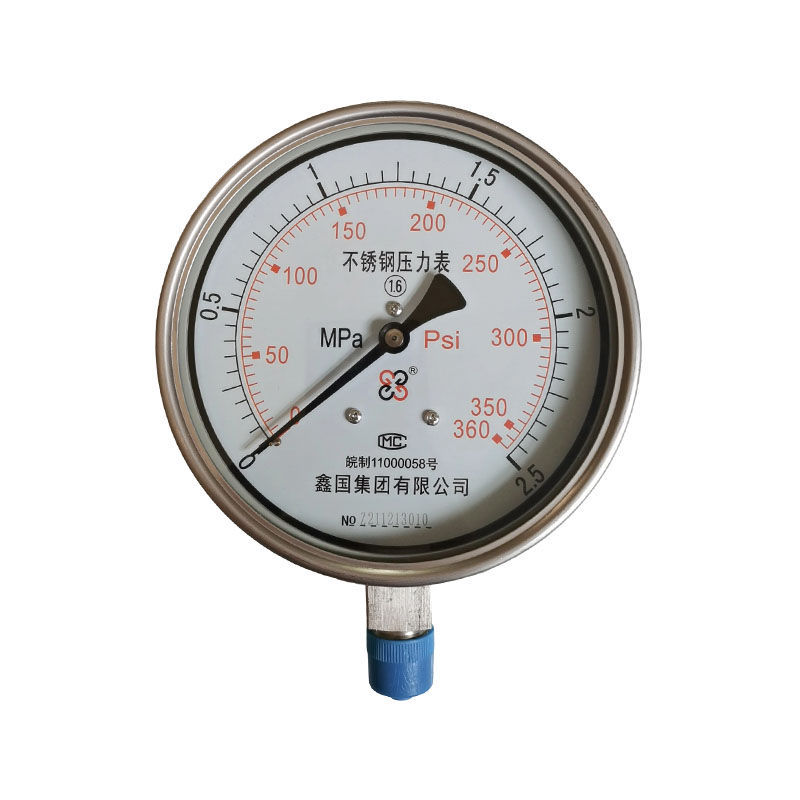

Q1: What is the main difference between a full stainless steel pressure gauge and a regular pressure gauge?
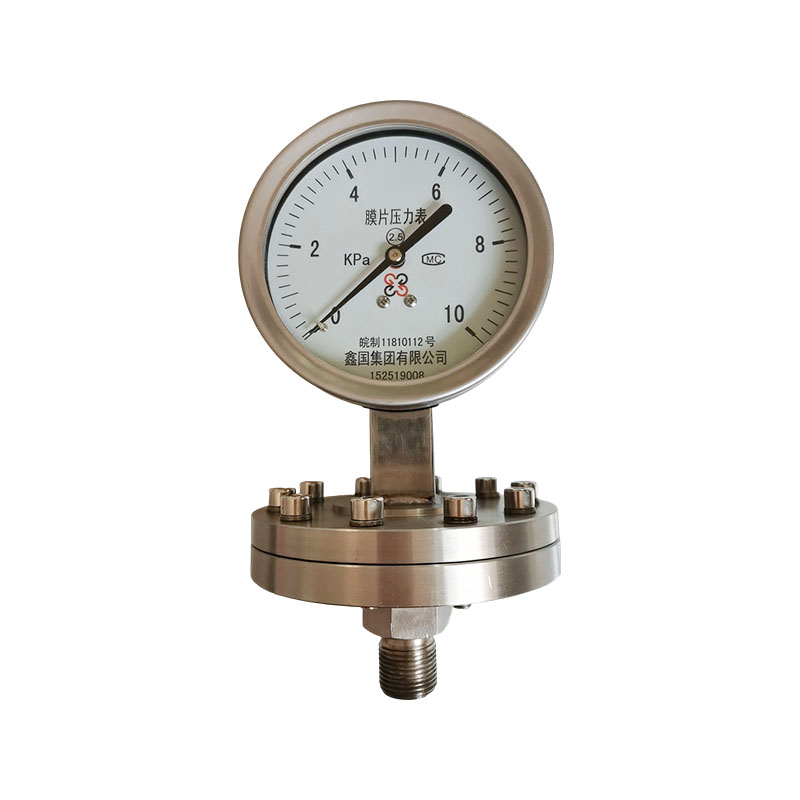
A: Ordinary pressure gauge fittings and spring tubes are mostly made of copper alloy, and the case is made of iron, which is only suitable for non-corrosive, dry media. The all-stainless-steel pressure gauge case, connector, and spring tube are all made of 304/316 stainless steel, which is resistant to acid, alkali, and moisture corrosion. It can be used in corrosive media and humid outdoor conditions and is not easily rusted or corroded, resulting in a longer service life.
Q2:How to choose 304 and 316 stainless steel?
A: Choose 304 for ordinary water, weakly corrosive gases, and general humid environments; When encountering strong acids, salt spray, seawater, and highly corrosive chemical media, it is recommended to use 316 stainless steel, which has stronger corrosion resistance.
Q3: Can all stainless steel pressure gauges be used on pump ports with high vibration?
A: Sure, it is recommended to choose an oil-filled and shock-resistant all-stainless-steel pressure gauge. Internally filled with damping oil, it can buffer pressure pulsation, suppress pointer shaking, and is suitable for sites with large vibrations such as pumps and compressors; oil-free models are not suitable for strong vibration conditions.
Q4: What are the common faults of all stainless steel pressure gauges?
A: Commonly seen are overpressure damage, medium blockage, and installation impact damage. Long term use beyond the range is strictly prohibited; It is recommended to use a membrane isolation device when the medium contains impurities and crystals; Installing buffer bends during installation can reduce pressure impact and effectively extend the lifespan of the instrument. The instrument needs to be regularly calibrated to ensure accuracy.