 INQUIRY
 English
 عربى
عربى русский
 中文简体
中文简体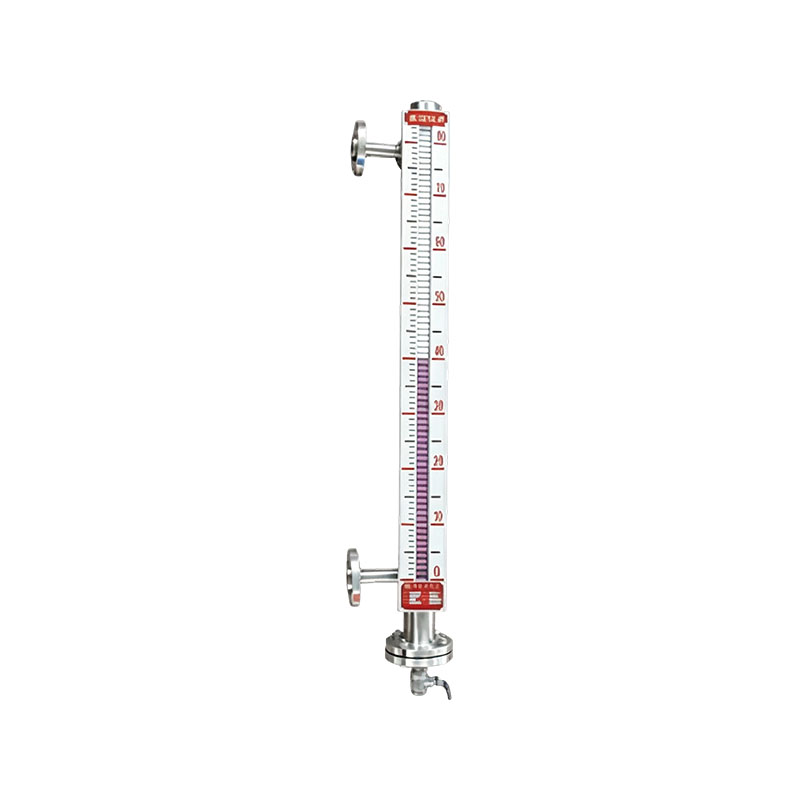

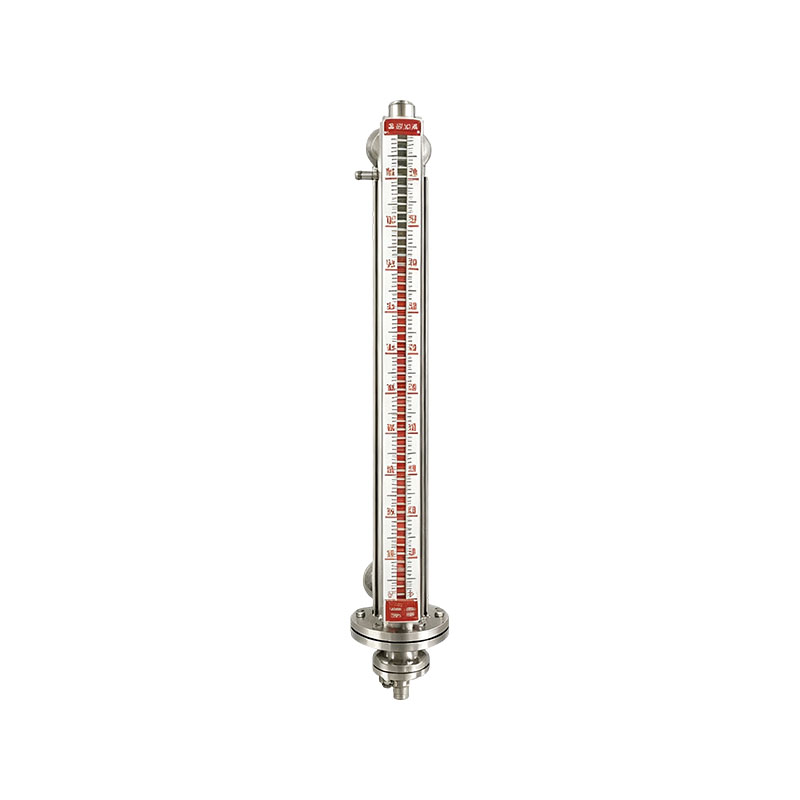
Q1: What is the maximum temperature resistance and pressure capacity of the high-temperature and low-pressure magnetic level gauge?
A: The conventional maximum temperature resistance can reach around 350 ℃, and the applicable pressure is generally ≤ 1.6MPa; Belongs to the low-pressure series and cannot be used for high-pressure vessels. Please provide actual temperature and pressure parameters when ordering.
Q2: Will slight scaling of the medium affect the use of high-temperature and low-pressure magnetic flap level gauges?
A: The scaling on the inner wall of the cylinder will hinder the up and down movement of the float, resulting in inaccurate liquid level display. It is recommended to regularly clean the cylinder or use anti-scaling structures for scaling conditions, which are not suitable for media with severe coking and scaling.
Q3: Can the high-temperature and low-pressure magnetic level gauge measure the boundary position?
A: It is possible to measure the interface between two immiscible media, and it is required that the density difference between the two media be ≥ 0.06g/cm ³. A dedicated interface float needs to be used; It is not recommended to measure the boundary position when the medium is prone to emulsification under high-temperature conditions.
Q4: What is the reason for the change in the actual liquid level of the medium in the tank despite the static liquid level of the flipping plate on site?
A: Most of them are due to the float being stuck by impurities or demagnetization of the magnetic steel in high-temperature environments. The float must be checked after stopping the machine to release pressure, and disassembly under pressure is prohibited. Do not tap the flip indicator to avoid damage to the magnet.