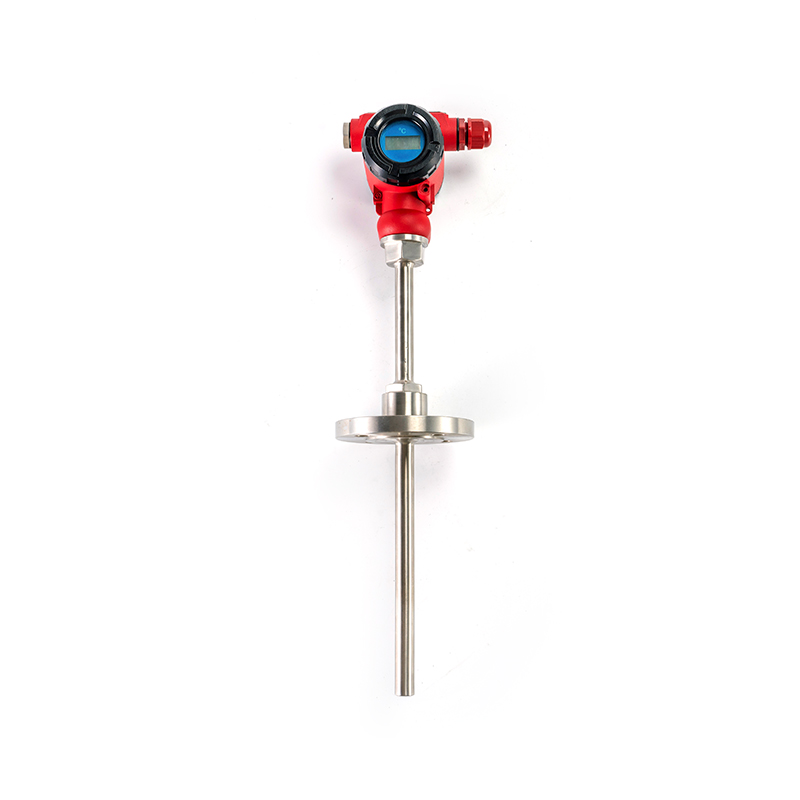
 Locate Display RTD
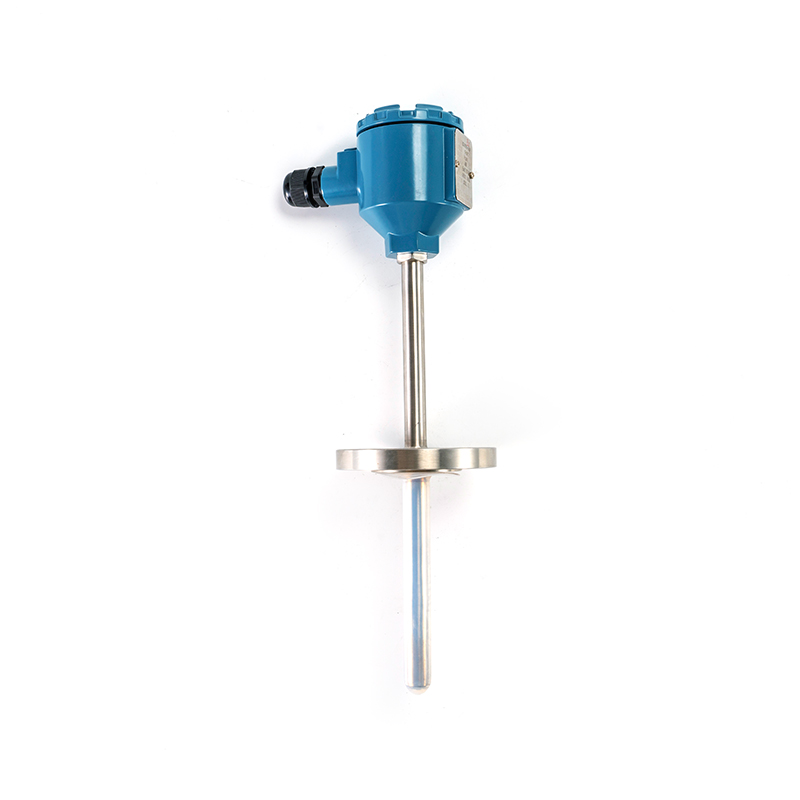 Explosion-proof RTD
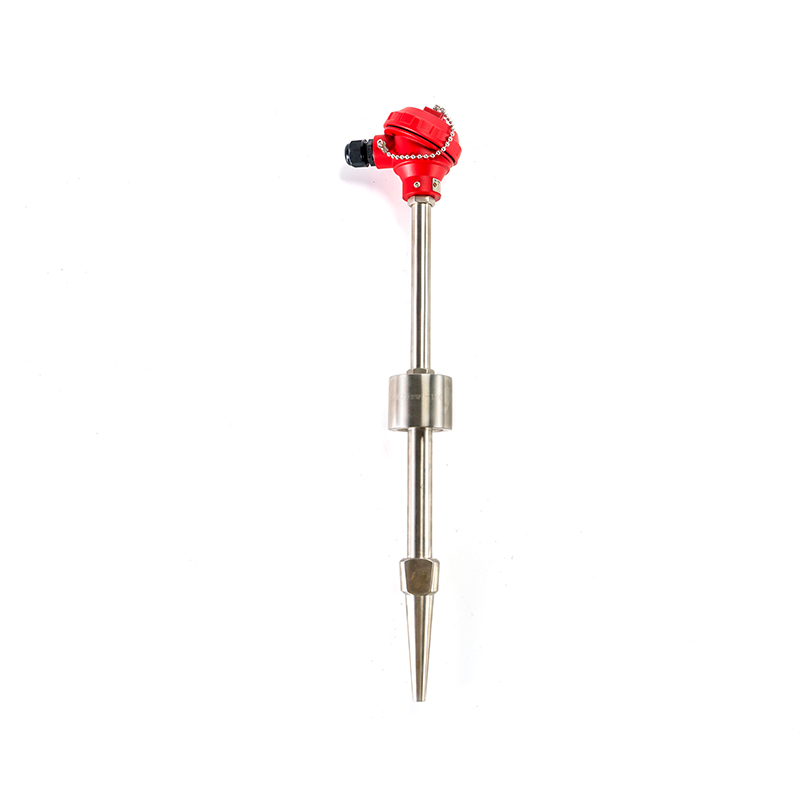 RTD for power station
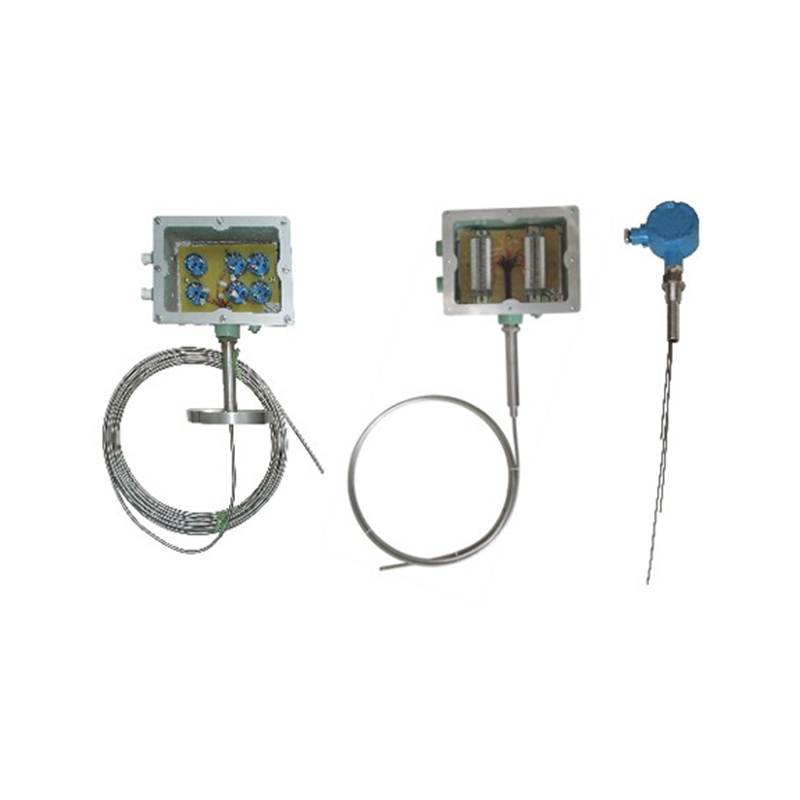 Mult-point Explosion-Proof RTD
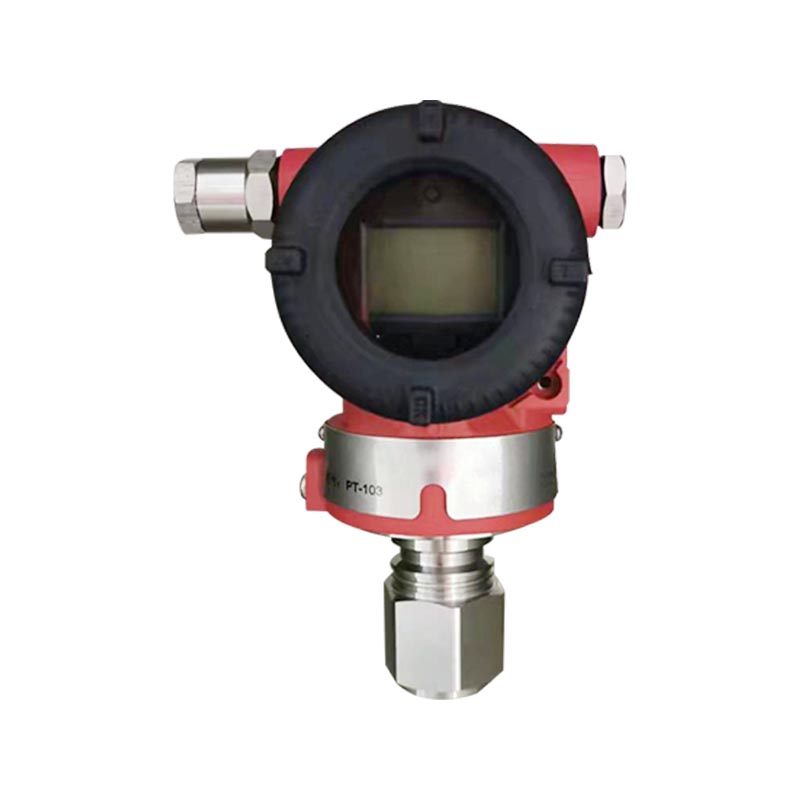 XG3051T Differential pressure/absolute pressure transmitter
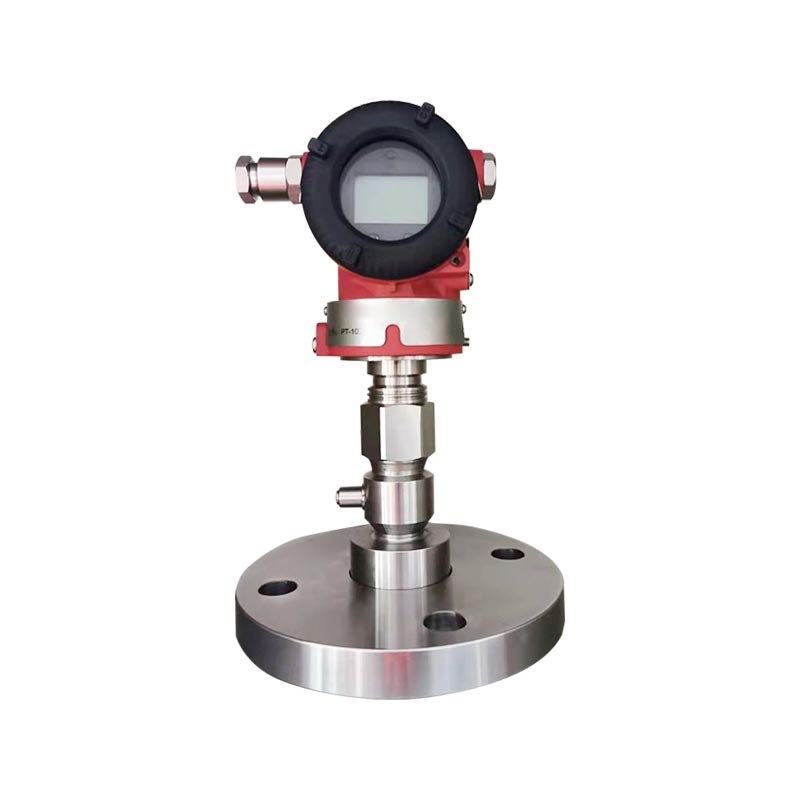 XG3051T Differential pressure/absolute pressure remote transmitter
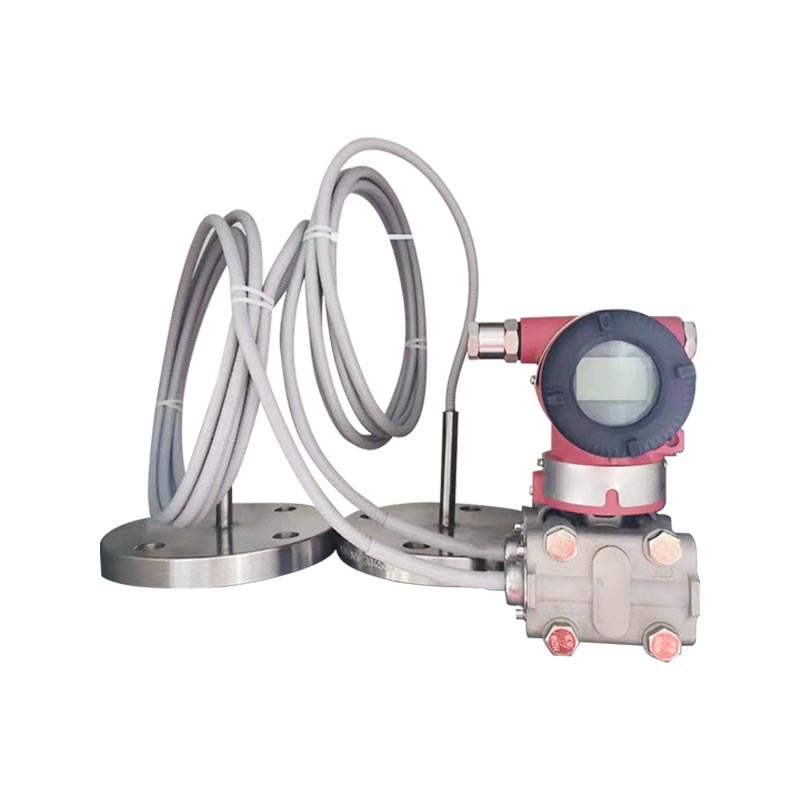 XG3051DP Differential pressure remote transmitter
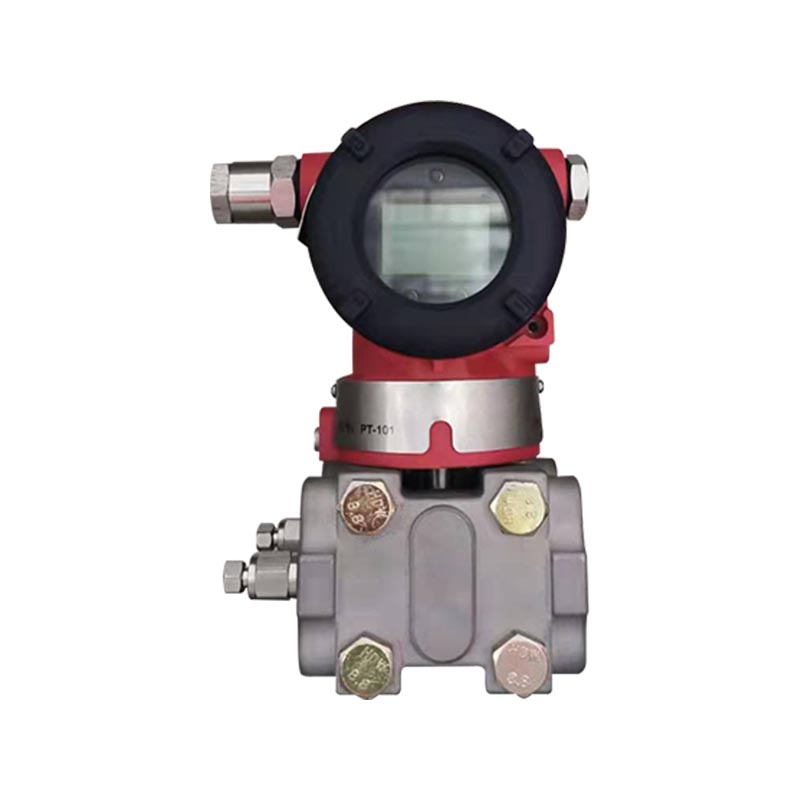 XG3051DP Differential pressure transmitter
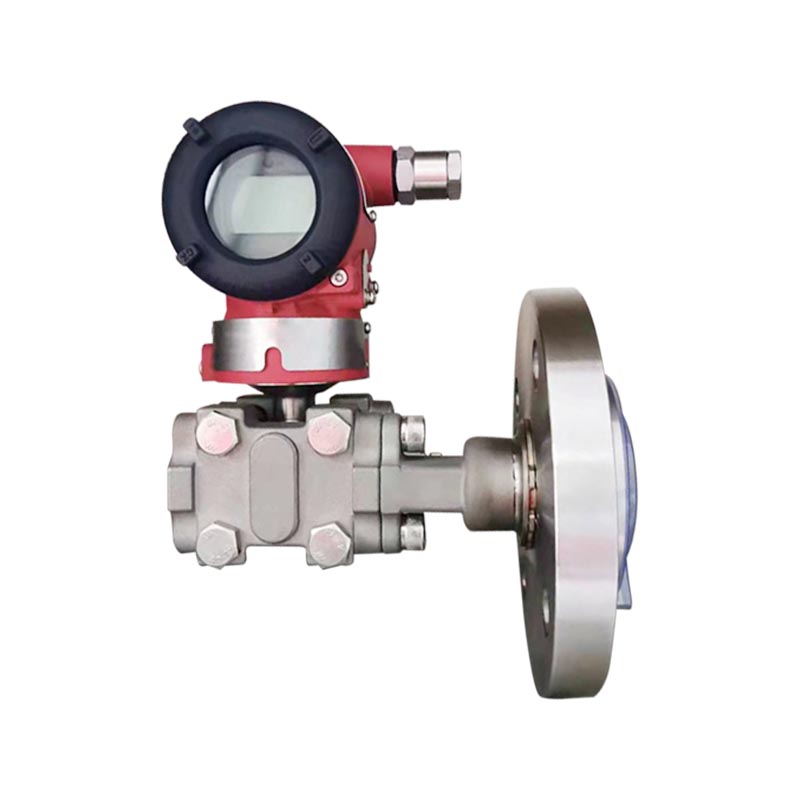 XG3051LT Differential pressure liquid level transmitter
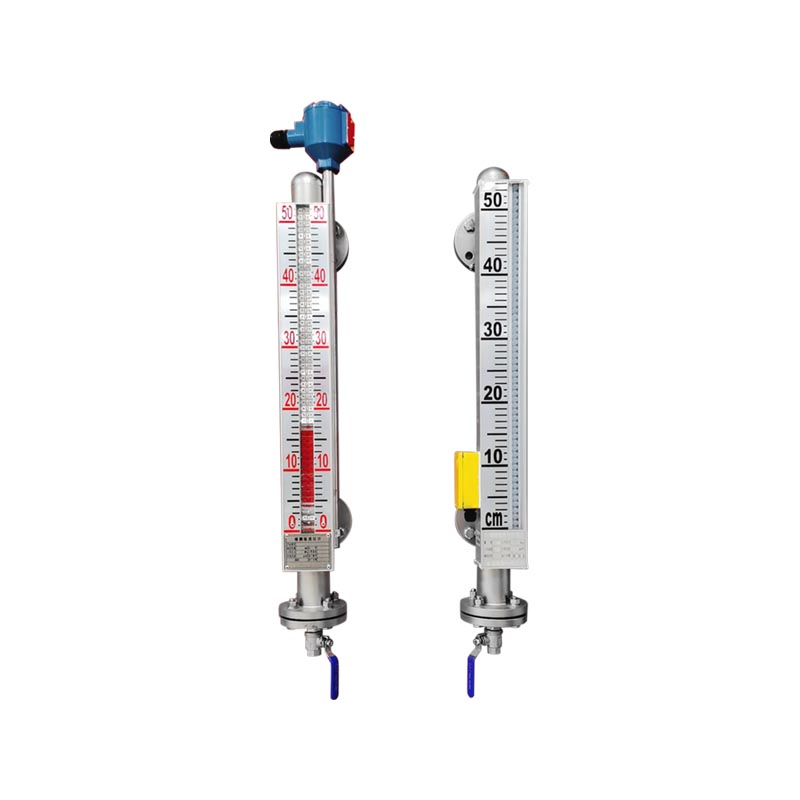 XGUHZ-50C series of magnetic float level meter
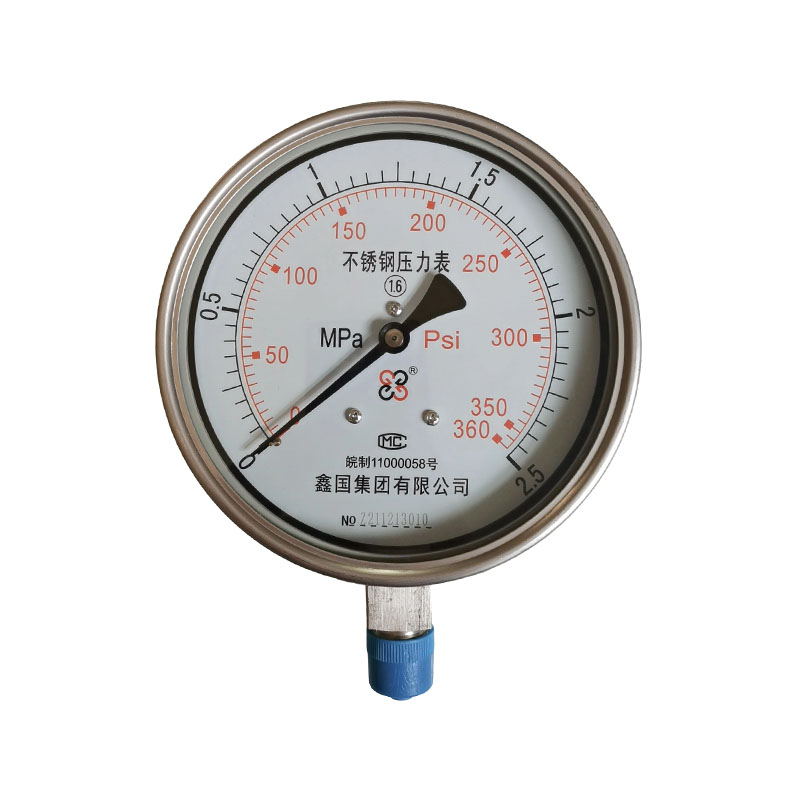 XG/Y-B series all stainless steel pressure gauge
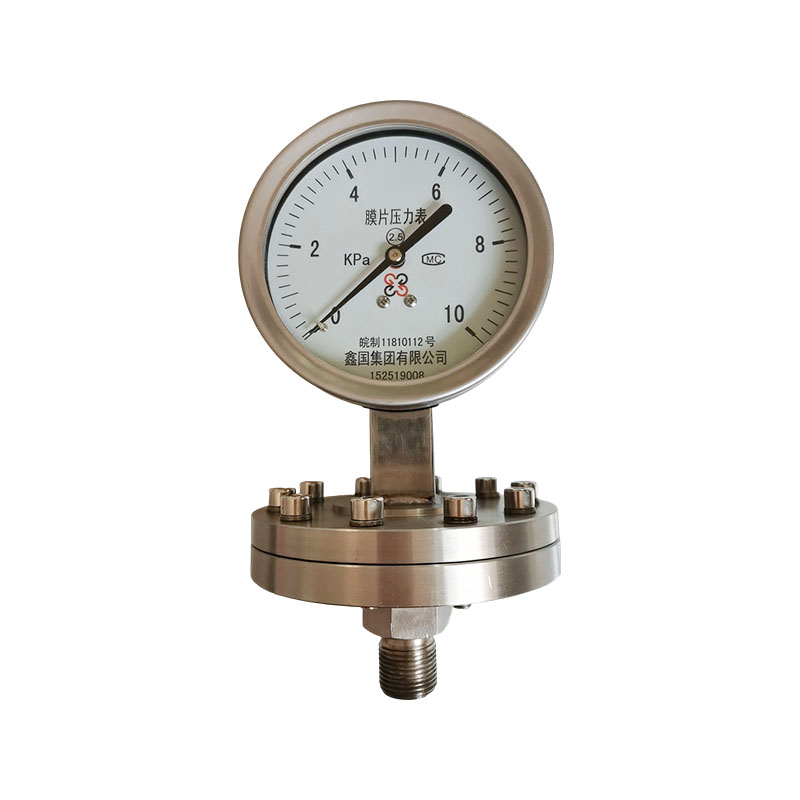 XG/Y-M series diaphragm pressure gauge
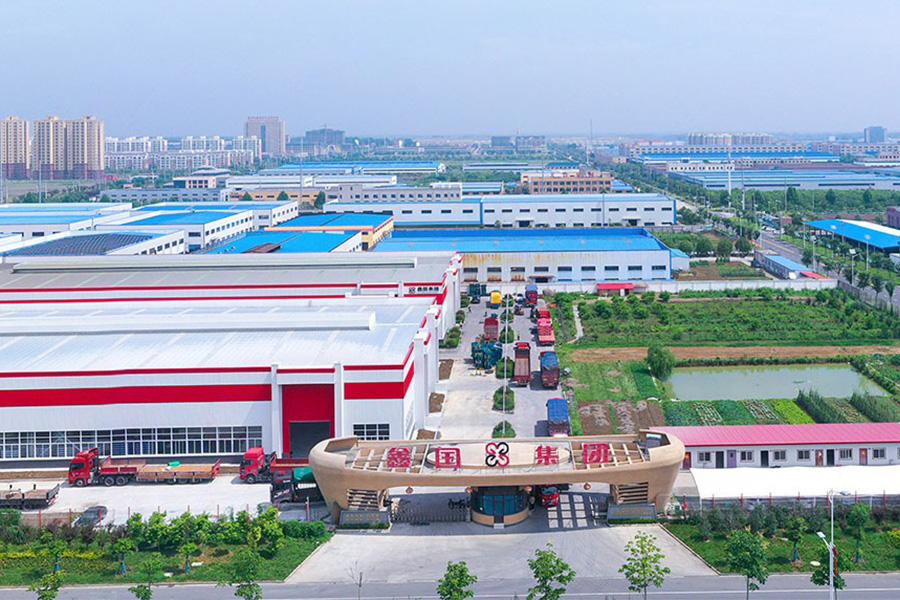
Founded in
Cover an area of
Experienced employees
Building area

A heat-treatment line that replaced its protection tubes every six weeks did not have a thermocouple problem. It had a ceramic problem. The elements came out of service clean and unbroken, yet the tubes had cracked, spalled or bowed, and the drift that followed belonged to the t...

The first sign that something is wrong with a thin film RTD is rarely a dramatic failure. It is a slow disagreement with a neighbouring sensor, a reading that creeps during a heat-up cycle, or a batch trend that no longer matches the recipe. In one case, a food processor replace...
A dairy processor in eastern China spent three weeks chasing a pasteurizer fault that turned out to be one crossed thermocouple extension wire inside a junction box. The recorder kept writing believable numbers the whole time, which is precisely why the investigation took so lon...
A heat-treat line running at 900 degrees Celsius will usually consume a Type K thermocouple in eight to fourteen months. The same probe sitting in a clean water loop at 90 degrees Celsius often survives eight years or more. Nothing about the two probes looks different on a datas...
These four products share one working principle: two dissimilar metal conductors joined at a junction generate a small voltage that changes with temperature. A Platinum-Rhodium Thermocouple pairs platinum with a platinum-rhodium alloy to hold stable output at very high temperatures. A Sheathed Thermocouple places the sensing wires inside a compacted mineral-insulated metal sheath for mechanical protection.
A Wear-resistant Thermocouple adds reinforced protective materials for abrasive or high-friction environments. Thermocouple Wire is the base sensing or extension conductor that carries the signal from the measuring junction to the instrument.
The differences between them mainly come down to three things: temperature ceiling, mechanical durability, and installation method. This page walks through common types, working structure, application guidance, a comparison table, maintenance practices, and a short FAQ, so the right type can be identified quickly.
Each product covers a different combination of temperature range, mechanical stress, and installation need. A quick side-by-side helps before going into detail below.
This type uses a pure platinum wire paired with a platinum-rhodium alloy wire, typically in S-type or R-type form. It stays chemically stable in oxidizing atmospheres, which is why it shows up in high-temperature reference measurement, glass and metal melting, and calibration work where signal consistency matters most.
The sensing wire pair sits inside a metal tube packed with compacted mineral insulation, usually magnesium oxide. Compared with older ceramic-bead designs, this gives faster response and better mechanical protection. The metal sheath — typically stainless steel or a high-temperature alloy — keeps process fluid, vibration, and impact away from the internal wires, which is why this is the default choice for power, chemical, and general manufacturing plants.
This type reinforces the tip and sheath so it can hold up against abrasive contact — rotary kiln linings, powder conveying lines, and particulate-laden gas streams are typical examples. Hardened protective sleeves or specialized tip coatings extend service life in exactly the environments where a standard sheath would wear thin quickly.
As bare or insulated conductor, this wire either forms the sensing element itself or serves as compensation and extension cable back to the instrument. The alloy composition has to match the thermocouple type at the measuring point — a mismatched pair introduces a parasitic junction that quietly distorts the reading. Xinguo Group Co., Ltd. supplies a comprehensive range of thermocouple alloy wires (K, N, E, J, T types) and matching compensation alloy wires (KX, EX, NX, JX, TX, KCA, KCB, NC, SC), which means both sides of that pairing can be sourced from one manufacturer, lowering the chance of a mismatch.
All four types rely on the Seebeck effect: two dissimilar conductors joined at a measuring junction produce a voltage that changes predictably with temperature. What differs between products is the construction around that junction.
The measuring junction is formed by welding or fusing the two conductor materials together. The resulting voltage is small, typically in the millivolt range, so the connected instrument applies cold-junction compensation to turn that raw signal into an accurate temperature reading.
Mineral insulation packed inside a metal sheath improves response time and electrical isolation over older ceramic-bead designs. Wear-resistant configurations go a step further, adding hardened outer layers at the tip to resist abrasion. Manufacturers that produce the mineral insulated cable and compensation cable alongside the sensing element in-house — such as Xinguo Group Co., Ltd., which manufactures MI heating cables, mineral insulated cables, and electric heat tracing tapes — are generally able to keep this protective construction more consistent from raw material to finished assembly.
Temperature range is usually the first filter engineers apply when narrowing down a thermocouple choice. The chart below lines up the four product types side by side so the gap between them is easy to see at a glance.
The Platinum-Rhodium Thermocouple sits at the top of the range, which fits its role in glass melting, ceramics firing, and metallurgical monitoring — settings where base-metal alloy pairs would degrade too quickly. Standard sheathed configurations cluster in the moderate range that covers most general monitoring points, including boilers, reactors, and process piping. Wear-resistant variants land slightly lower, since the design priority there is mechanical hardening rather than pushing temperature further. Thermocouple wire used as a sensing conductor generally tracks the same range as its matching sheathed type. As a rough guide: above roughly 1200 degrees Celsius, platinum-rhodium alloy configurations are the more practical direction. Below that threshold, a sheathed configuration usually gives a better balance of durability and simplicity. Wear-resistant designs are selected first for mechanical exposure, with temperature range acting as a secondary check rather than the main driver.
For users working in power generation, the sheathed type is often specified for boiler tube skin temperature monitoring, where the mineral insulation provides electrical isolation. In the aerospace sector, platinum-rhodium types are sometimes used in test rigs where measurement accuracy matters more than cost. For food processing, the wear-resistant type is less common — instead, a standard sheathed design with a small diameter is typically chosen for its faster response in dynamic temperature zones. Xinguo Group Co., Ltd. supplies temperature instruments for all these sectors, and its product portfolio covers the full temperature spectrum from cryogenic ranges up to 1600°C.
Three questions narrow the choice down quickly: what is the process temperature, how much mechanical stress hits the measurement point, and how long is the signal run back to the instrument.
High Temperature or Reference DutyFurnaces, kilns, and calibration work generally call for a Platinum-Rhodium Thermocouple for its stability at elevated temperatures. |
General Plant MonitoringBoilers, reactors, and process piping are commonly served by a standard Sheathed Thermocouple. |
Abrasive or High-Friction PointsRotary kilns, powder conveying lines, and particulate-laden gas streams call for a Wear-resistant Thermocouple with reinforced tip protection. |
Extended Signal RunsWhen the junction sits far from the control room, properly matched Thermocouple Wire or compensation cable keeps the signal accurate over distance. |
Installation depth, sheath diameter, and connection head style matter too, once temperature and mechanical exposure are settled. Xinguo Group Co., Ltd. offers configurable thermocouple assemblies with adjustable sheath length and diameter, enabling a sensor to be matched precisely to the installation point rather than forcing the process to fit a fixed standard product. The company also provides complete automation control systems and instrument valves, which means the thermocouple can be integrated with mounting hardware and signal conditioning equipment from the same supplier.
These four categories are not always mutually exclusive. A kiln or furnace feed point that combines high temperature with abrasive exposure may call for a wear-resistant sheath paired with a platinum-rhodium sensing element, specified together as one assembly. In the chemical industry, for example, a reactor outlet temperature point might use a sheathed thermocouple with a specialty alloy sheath to resist both heat and mild corrosion, while a downstream fluidized bed dryer might use a wear-resistant thermocouple to withstand particle impingement. This flexibility means the user does not have to compromise between temperature capability and mechanical durability — the two can be combined when the application requires it.
Since the standard sheathed type and the wear-resistant type are the two most frequently compared options, a radar chart is a useful way to see how they trade off against each other across four factors at once: temperature tolerance, abrasion resistance, response speed, and signal stability.
The Sheathed Thermocouple profile extends further on temperature tolerance and response speed — a balanced shape that fits general-purpose monitoring rather than one narrow use case. The Wear-resistant Thermocouple profile pushes out further on abrasion resistance and service life, matching its reinforced tip and sheath construction. Both types hold comparable signal stability, since the same thermoelectric junction principle sits behind either construction. Neither is universally better — each is shaped by a deliberate trade-off for a specific operating condition. In practice: a clean gas stream at moderate temperature is usually a better fit for a standard sheathed sensor, since the extra abrasion protection of a wear-resistant design goes unused there. A rotary kiln feed point with continuous particulate contact tends to favor the wear-resistant option, which typically outlasts a standard sheathed sensor under the same conditions.
When considering response speed, the sheathed type generally reacts faster than a ceramic-bead or heavy-walled design due to the compacted mineral insulation, which has good thermal conductivity. However, if the application involves high-velocity gas or rapidly fluctuating temperatures, a bare-wire thermocouple or a sheathed type with a smaller outer diameter may be preferable. For installations where mechanical strength is the primary concern — such as in a fluidized bed reactor — the wear-resistant type is specified even though it may have a slightly slower response time than a thin-sheathed design. This trade-off is acceptable because the longer service life reduces maintenance downtime.
In the cement industry, for example, preheater cyclone exit temperature points often use wear-resistant thermocouples because the dust-laden gas stream erodes unprotected sheaths rapidly. In contrast, a chemical plant measuring catalyst bed temperature in a clean process gas would use a standard sheathed type with a larger diameter for extended life without the added cost of abrasion-resistant materials. Understanding these application-specific factors helps in selecting the right configuration. Xinguo Group Co., Ltd. serves both the cement and chemical sectors, offering thermocouple assemblies tailored to the mechanical demands of each process environment.
A quick reference before checking a specific datasheet.
| Product Type | Primary Advantage | Typical Application |
|---|---|---|
| Platinum-Rhodium Thermocouple | High-temperature stability | Furnace, kiln, glass melting |
| Sheathed Thermocouple | Balanced durability and response | General industrial monitoring |
| Wear-resistant Thermocouple | Abrasion resistance | Rotary kiln, powder conveying |
| Thermocouple Wire | Signal path flexibility | Extended runs, compensation cabling |
When the sensing element, the mineral insulated sheath, and the compensation cable come from one organization — Xinguo Group Co., Ltd. manufactures temperature instruments, power cables, control cables, compensation cables, computer cables, signal cables, and MI heating cables — these three components tend to line up more consistently for a given installation than parts sourced separately. This integrated approach simplifies procurement, reduces the risk of incompatible components, and ensures that the thermocouple assembly is supported by documentation covering the complete signal path from the measuring junction to the control room instrument.
Thermocouple wire is not a single product — it spans multiple alloy families, each optimized for a different temperature range and environment. The chart below shows the most common letter-designated thermocouple types and their typical temperature envelopes.
This chart groups thermocouple wire types by their practical temperature limits in continuous service. Type K is the most widely used general-purpose alloy, covering the majority of industrial monitoring needs from 0°C to 1260°C. Type N offers slightly better oxidation resistance than Type K at higher temperatures, making it suitable for applications where long-term stability matters. Type E has a higher output voltage per degree compared with other types, which can be an advantage in lower-temperature applications where signal resolution is important. Type J is a lower-cost option for moderate temperatures, but it is limited by the oxidation of its iron leg at elevated temperatures. Type T is the only type with a copper leg, making it suitable for cryogenic measurements down to -200°C.
For users selecting thermocouple wire, the choice of alloy determines not only the temperature limit but also the sensitivity (microvolts per degree) and the environment in which it can be used. Type K and N are suitable for oxidizing and inert atmospheres but are not recommended for reducing conditions, sulfur-containing environments, or vacuum at high temperatures. Type T, with its copper leg, is more susceptible to corrosion in acidic atmospheres but performs well in humid conditions and cryogenic services. Xinguo Group Co., Ltd. supplies all these thermocouple alloy wire types along with matching compensation wires (KX, EX, NX, JX, TX, KCA, KCB, NC, SC), allowing users to select the appropriate pair for their specific temperature range and atmospheric condition.
Routine inspection extends service life across all four types, though the checks differ by construction:
A supplier that documents alloy composition and sheath material specifications makes it easier to set realistic inspection intervals based on actual construction rather than generic assumptions. Xinguo Group Co., Ltd. develops and produces temperature instruments alongside thermocouple alloy wire and compensation cable, so sensing elements, sheath materials, and connection cabling can be considered together as one measurement system. This also makes it easier to trace a compensation cable alloy back to its material source when troubleshooting a signal issue, since the company maintains production records for its power cables, control cables, compensation cables, computer cables, and signal cables.
Q1: When is a Platinum-Rhodium Thermocouple preferred over a standard sheathed type?When process temperatures exceed what base-metal alloy pairs can handle — high-temperature furnace or calibration reference work, for example. Platinum-rhodium types are also preferred when long-term stability at elevated temperatures is required. |
Q2: What makes a Sheathed Thermocouple suitable for general industrial use?Mineral insulation plus a protective metal sheath give it a practical balance of durability, response speed, and installation flexibility for most standard plant points. The sheath provides mechanical protection while the mineral insulation ensures electrical isolation and good thermal response. |
Q3: Where is a Wear-resistant Thermocouple typically installed?At points exposed to continuous abrasion — rotary kiln linings, powder conveying lines, or particulate-heavy gas streams. Examples include cement preheater cyclones, fluidized bed reactors in chemical plants, and coal-fired boiler feed lines. |
Q4: Why does compensation cable need to match the thermocouple type?Compensation and Thermocouple Wire need the same alloy pair as the sensing junction — a mismatch creates a parasitic junction that distorts the signal before it reaches the instrument. This error is often overlooked during installation and can result in significant measurement offsets. |
Q5: Can these thermocouple types be customized for specific installation needs?Yes — sheath length, diameter, connection head style, and protective tip configuration can generally be adjusted to the temperature range and mechanical exposure at the installation point. Custom termination options are also available. |
Q6: How often should thermocouple calibration be checked?Calibration frequency depends on the application and process criticality. For high-temperature platinum-rhodium installations, annual verification against a reference standard is recommended. For general plant monitoring, calibration intervals may be extended to two to three years. |
Q7: What are the differences between Type K and Type N thermocouple wire?Type N offers better oxidation resistance and improved stability compared with Type K at temperatures above 800°C. Type N also exhibits reduced drift in cyclic temperature applications, making it a preferred choice for certain furnace and kiln monitoring points. |



 INQUIRY
 English
 عربى
عربى русский
 中文简体
中文简体
