How to Choose a Reliable Sheathed Thermocouple: Types and Guide
Sheathed Thermocouple Overview: Direct Answer and Core Benefits
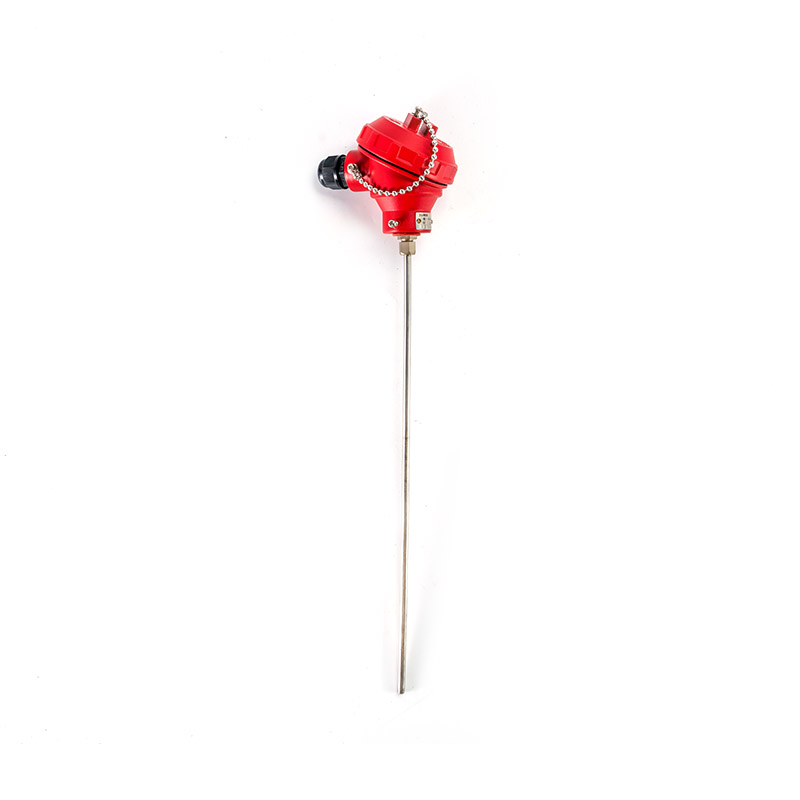
A Sheathed Thermocouple, often called an MI Thermocouple because it uses a mineral-insulated construction, is a temperature sensing assembly in which one or more pairs of thermocouple wire are sealed inside a metal sheath and separated from that sheath by tightly compacted magnesium oxide (MgO) powder. This construction produces a sensor that is mechanically strong, resistant to moisture ingress, and flexible enough to be bent or formed to fit tight process geometries, which is a primary reason it has become a standard choice for industrial temperature measurement. Because the sensing wires are fully enclosed, a sheathed thermocouple can be installed directly into a process stream, welded into a vessel wall, or fitted inside a thermowell without exposing the measuring junction to the surrounding atmosphere.
For plant engineers, distributors, and instrumentation buyers, the practical question is rarely what a sheathed thermocouple is, but rather which configuration, sheath material, and junction style will hold up in a specific process. This article works through the common product types, including Wear-resistant Thermocouple, Assembled Thermocouple, Multi-point Thermocouple, and Platinum-Rhodium Thermocouple designs, along with the internal structure, selection criteria, comparative performance data, and maintenance practices that determine long-term reliability. The information below reflects general engineering characteristics commonly referenced in industrial instrumentation literature, and no specific brand or competing product is named or evaluated.
Sealed metal sheath keeps the mineral insulation and internal wire pair protected from moisture, oil, and mechanical damage
Small sheath diameters, down to roughly 0.5 mm, allow fast thermal response and flexible routing in confined spaces
High insulation resistance between conductors and sheath supports stable, low-noise signal transmission over long cable runs
Multiple sheath alloys are available, so a single Thermocouple Wire type can be matched to a wide range of chemical and thermal conditions
The sheathed format supports Multi-point Thermocouple assemblies and Assembled Thermocouple configurations built from the same base components
Key takeaway: A sheathed (MI) thermocouple combines a metal sheath, compacted MgO insulation, and an internal wire pair into a single sealed sensor that resists moisture, vibration, and mechanical stress more effectively than open-wire designs.
Common Types of Sheathed Thermocouples and Their Characteristics
Sheathed thermocouples are produced in several configurations, and each one is optimized for a different combination of temperature range, mechanical loading, and installation pattern. Understanding these differences is a useful first step for any engineer or wholesale buyer comparing options from a professional manufacturer or supplier. Table 1 summarizes five configurations commonly referenced in industrial specifications, followed by a closer look at junction styles that further shape how each sensor performs in service.
Table 1. Common sheathed thermocouple configurations and their typical industrial roles.
Configuration
Key Feature
Typical Use Case
Standard Sheathed / MI Thermocouple
General base-metal wire (K, N, J, T, E) in an MI sheath
General industrial process temperature monitoring
Wear-resistant Thermocouple
Hardened, thicker-wall sheath and reinforced tip
High-particulate or abrasive flow measurement
Assembled Thermocouple
Modular sheath plus connection head and thread fitting
Process pipelines requiring quick field replacement
Multi-point Thermocouple
Multiple sensing junctions along one adjustable-depth sheath
Vertical temperature profiling in reactors, silos, and tanks
Platinum-Rhodium Thermocouple
Type S, R, or B noble-metal wire with high-temperature stability
High-temperature furnaces, kilns, and metallurgical processes
Junction Styles at a Glance
Beyond the sheath configuration itself, the internal junction style has a direct effect on response time, electrical isolation, and mechanical durability. This is a separate specification that a professional China supplier will typically confirm before quoting a wear-resistant, assembled, or multi-point thermocouple order.
Grounded Junction The wire pair is welded directly to the inside of the sheath tip, giving a comparatively fast response and a mechanically robust hot junction. This style is often selected for wear-resistant builds used in abrasive or high-vibration flows.Ungrounded (Isolated) Junction The wire pair stays electrically isolated from the sheath, reducing electrical noise near variable-frequency drives or heavy equipment. Response is somewhat slower since heat must pass through the insulation layer first.Exposed Junction The wire tip extends slightly beyond the sheath for the fastest possible response, such as in low-pressure gas ducts. It offers reduced mechanical protection, so it is less common in heavy process lines.
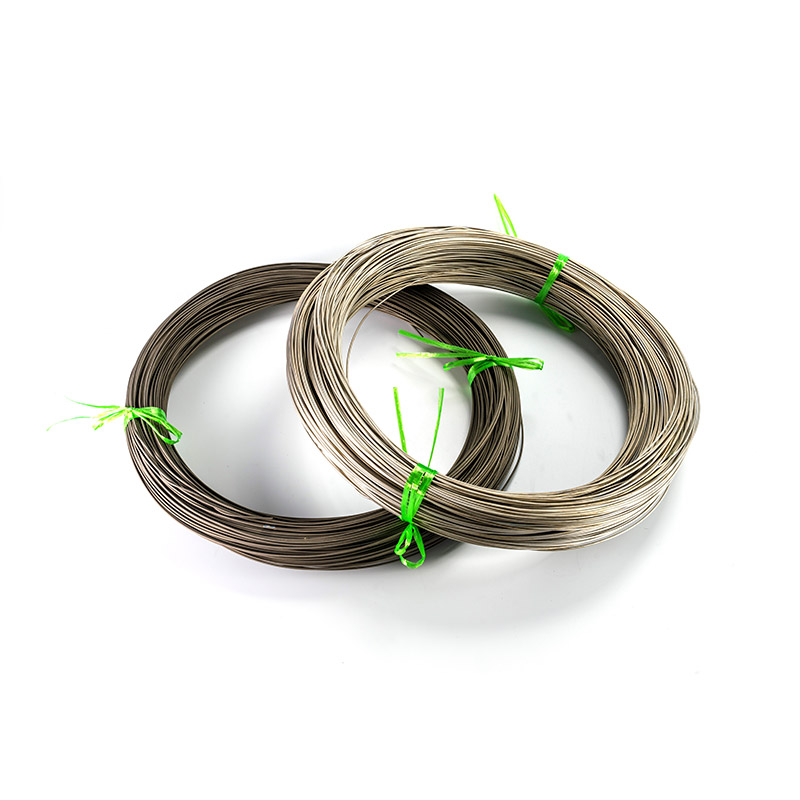
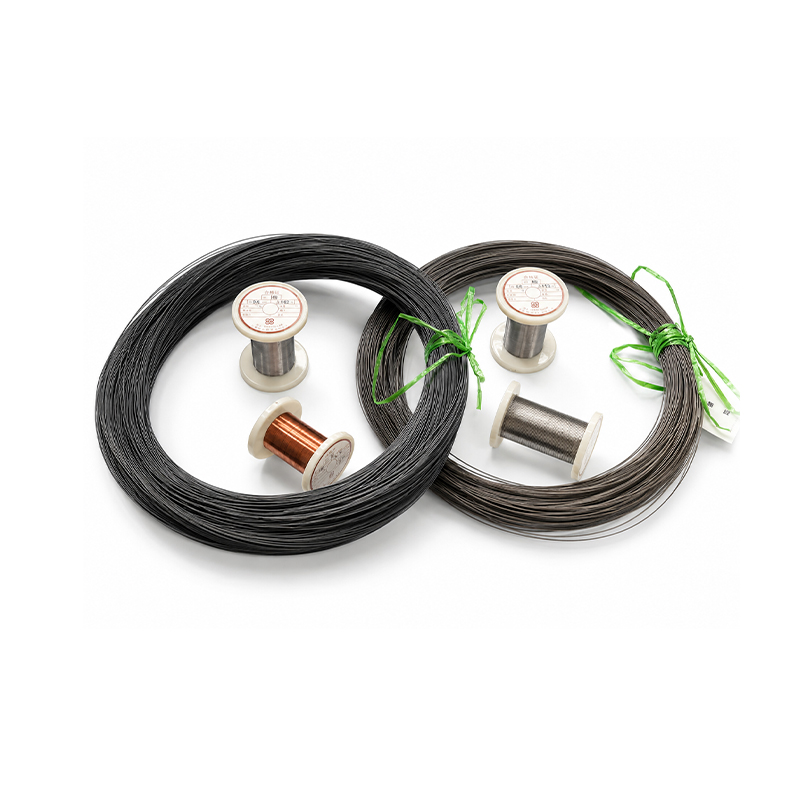
Regardless of junction style, the Thermocouple Wire pair inside the sheath is manufactured to recognized calibration curves such as Type K, N, E, J, T, S, R, or B. A professional China manufacturer producing sheathed thermocouples typically maintains its own wire drawing and matching capability rather than sourcing wire from a third party, which supports more consistent output across a wholesale or OEM order.
Key takeaway: Sheath configuration and junction style are two independent specifications, and both should be matched to the process before ordering a wear-resistant, assembled, or multi-point thermocouple.
Internal Structure and Working Principle of MI Thermocouples
A thermocouple generates a small voltage whenever there is a temperature difference between its measuring junction and its reference end, an effect known as the Seebeck effect. In a sheathed thermocouple, this basic principle is packaged into a durable, self-contained assembly through a manufacturing process called swaging, in which a metal tube, the internal wire pair, and magnesium oxide powder are drawn down together under high pressure until the MgO is compacted into a dense, moisture-resistant insulating layer.
The sheath itself is commonly produced from 304 or 310 stainless steel for general-duty service, 316L stainless steel where mild corrosion resistance is needed, or nickel-based alloys such as Inconel 600, Inconel 601, and Hastelloy for higher-temperature or more chemically aggressive environments. Selecting a reliable sheath alloy is one of the main factors that determines whether a sensor remains durable over years of continuous operation rather than requiring early replacement.
Cross-Section Schematic
Figure 1. Simplified cross-section of a mineral-insulated (MI) sheathed thermocouple, shown as a flat schematic rather than a photographic image.
Because the wire pair and MgO insulation are fully sealed by the swaging process, the finished sensor can be cut to length, bent, or coiled during installation without breaking the internal insulation barrier, provided the bend radius stays within the manufacturer's guidance for that sheath diameter. This is one of the practical reasons sheathed designs are favored over open-junction thermocouples in tight or vibration-prone installations.
Key takeaway: The swaging process that compacts MgO insulation around the wire pair is what gives sheathed thermocouples their combination of flexibility, sealing, and mechanical strength.
Sheath Material Selection: Comparing Wear and Corrosion Resistance
The sheath material is one of the most consequential choices in a sheathed thermocouple specification because it determines how the sensor tip behaves inside an abrasive or corrosive process stream. Common sheath alloys include 310 stainless steel, 316L stainless steel, Inconel 600, Inconel 601, and Hastelloy C276, and each alloy carries a different combination of oxidation resistance, mechanical hardness, and cost efficiency. Wear-resistant thermocouple assemblies intended for pneumatic conveying lines, cement kilns, or particulate-laden gas streams generally specify a higher-alloy sheath because the tip experiences continuous surface abrasion rather than a single point of chemical attack. The chart below presents a relative wear-resistance index for five widely used sheath alloys on a 0 to 10 scale, based on general metallurgical reference characteristics rather than a single proprietary test. Reviewing this comparison before finalizing a purchase order can help a buyer avoid under-specifying the sheath material for a wear-resistant or high-duty-cycle application.
As the chart shows, Hastelloy C276 records the highest relative wear-resistance index among the five alloys, which is consistent with its high molybdenum and chromium content and its established use in demanding chemical and petrochemical environments. Inconel 601 and Inconel 600 follow closely behind, and both nickel-chromium alloys are frequently specified for sheathed thermocouples operating at sustained high temperatures, where oxidation resistance matters as much as mechanical wear resistance. 316L stainless steel sits in the middle of the comparison, offering a practical balance between mechanical durability and material cost, which is why it remains a common default sheath material for general-purpose sheathed thermocouples across many industrial sectors. 310 stainless steel shows the lowest relative index in this comparison, though it still performs adequately in moderate-temperature, low-abrasion applications and continues to be specified where extreme wear resistance is not the primary concern. This ranking does not mean a lower-indexed alloy is unsuitable for a given process; rather, it indicates that the sheath material should be matched to the specific abrasive or corrosive conditions expected at the installation point. For example, a multi-point thermocouple installed in a relatively clean liquid storage tank may perform reliably with a 316L sheath, while a wear-resistant thermocouple positioned in a raw-material feed chute may justify the added durability of Inconel or Hastelloy. A professional thermocouple manufacturer or supplier will typically ask about the process medium, flow velocity, and particulate content before recommending a specific sheath alloy, since these factors influence wear rate more than temperature alone in many mechanical-abrasion scenarios. Buyers working with an OEM manufacturer or ODM manufacturer can usually request a specific alloy sheath as a custom configuration, which allows the same base sensor design to be adapted across several plant areas with different wear characteristics. It is also worth noting that sheath wall thickness interacts with material selection, since a thicker wall in a moderate-resistance alloy can sometimes deliver a comparable service life to a thinner-wall high-alloy sheath, though at the cost of slower thermal response. In practice, most industrial buyers balance wear-resistance index, response time requirements, and long-term reliability when finalizing a sheath specification with their chosen factory or exporter, rather than defaulting to the highest-indexed alloy for every point in a plant. Because this comparison is illustrative rather than certified laboratory data, engineers working on critical applications should confirm specific alloy performance with their material supplier or internal engineering standards before finalizing a design.
Key takeaway: Nickel-based alloys such as Inconel and Hastelloy generally provide higher wear and corrosion resistance than standard stainless steel sheaths, making them a common choice for wear-resistant thermocouple assemblies in abrasive process conditions.
Application Scenarios and Selection Guide
Sheathed thermocouples are applied across power generation, petroleum and chemical processing, metallurgy, building materials, general machinery, food processing, aerospace, and new energy production, as well as in scientific research and educational laboratories. The right configuration depends less on the industry label and more on the specific mechanical, thermal, and installation conditions at the measurement point, which is why a structured selection process is more useful than choosing by industry category alone.
Application Environment
High vibration, abrasive particulate flow
Frequent field replacement required
Tall reactor, silo, or tank with depth variation
Furnace or kiln above roughly 1300°C
General process line, stable conditions
Recommended Configuration
Wear-resistant Thermocouple, hardened tip
Assembled Thermocouple with thread fitting
Multi-point Thermocouple, adjustable spacing
Platinum-Rhodium Thermocouple (Type S/R/B)
Standard Sheathed Thermocouple, base-metal wire
Practical Selection Factors
Once the general configuration is identified, several detailed factors determine the final specification sent to a manufacturer or wholesale supplier:
Sheath diameter, which affects response time, mechanical strength, and minimum bend radius
Sheath material, selected against the wear and corrosion comparison discussed above
Junction style, chosen for response speed versus electrical isolation needs
Insertion length and, for multi-point designs, the number and spacing of sensing points
Termination type, such as a connection head, flying leads, or a mineral-insulated cable extension
Compatibility with an existing thermowell or process fitting, where an adjustable compression fitting is often specified for field serviceability
Key takeaway: Matching sheath diameter, sheath material, junction style, and termination type to the actual process conditions is more reliable than selecting a sheathed thermocouple by industry category alone.
Response Time and Sheath Diameter: What the Data Shows
Response time is the amount of time a sheathed thermocouple needs to register a change in process temperature, and it is directly influenced by sheath diameter because a larger sheath contains more thermal mass around the measuring junction. Engineers frequently underestimate how strongly this relationship scales, particularly when moving from a small-diameter sensor used in laboratory or instrumentation testing to a larger-diameter industrial probe intended for durability rather than speed. The line chart below plots typical response time in seconds against six common sheath diameters, from 1.0 mm up to 6.0 mm, using general engineering reference values for MI sheathed thermocouples rather than a single certified data set. This relationship is one of the more important trade-offs a buyer accepts when moving from a fast-responding thin-sheath sensor to a thicker, more mechanically durable probe. Reviewing this trend before specifying a sensor for a fast-cycling process helps avoid selecting a sheath diameter that is mechanically reliable but too slow for the control loop it needs to support.
The chart illustrates a clear upward curve rather than a straight line, meaning response time increases at an accelerating rate as sheath diameter grows, particularly beyond the 3.0 mm mark. A 1.0 mm sheathed thermocouple typically responds in a fraction of a second, which makes it a common choice for laboratory work, fast-cycling processes, or small-scale instrumentation where quick readings matter more than mechanical ruggedness. Moving to a 2.0 mm sheath roughly doubles the response time compared with the smallest diameter, and this is still considered a fast-responding configuration suitable for many standard industrial control loops. By 3.0 mm, response time has increased further, reflecting the larger thermal mass surrounding the junction, though the sensor also gains meaningfully improved mechanical strength at this diameter. The 4.5 mm and 6.0 mm sheath sizes show the slowest response times in this comparison, but they are also the diameters most often selected for wear-resistant thermocouple and heavy-duty assembled thermocouple builds, where physical durability under mechanical stress outweighs the need for millisecond-level response. This trade-off between speed and strength is one of the most practical decisions an engineer makes when working with a professional supplier on a new specification. A control loop with fast temperature swings, such as an extrusion or injection process, generally benefits from a smaller sheath diameter and a grounded junction to minimize response lag. In contrast, a large storage tank, kiln shell, or slow thermal process can usually accept a larger, more durable sheath without materially affecting control performance. Multi-point thermocouple assemblies often use a mid-range diameter to balance profiling accuracy at multiple depths with the mechanical strength needed for long insertion lengths. Because response time also depends on the surrounding medium, such as still air versus flowing liquid, the values shown here should be treated as general reference points rather than guaranteed figures for every installation. A reliable manufacturer will typically provide diameter-specific response time information as part of a technical data sheet upon request, which allows for more precise control-loop tuning than general reference charts alone.
Key takeaway: Response time increases sharply as sheath diameter grows, so fast-cycling processes generally call for a smaller-diameter sensor while heavy-duty or abrasive environments often justify the slower response of a larger, more durable sheath.
Detailed Comparison of Sheathed Thermocouple Configurations
The table below places the four specialized configurations side by side across four practical specifications: maximum operating temperature range, typical mechanical strength, general response characteristics, and multi-point monitoring capability. This kind of side-by-side view is useful for engineers comparing quotations from different OEM or ODM suppliers, since it highlights where each configuration is strongest rather than presenting one option as universally superior.
Table 2. General comparison of specialized sheathed thermocouple configurations.
Specification
Wear-resistant
Assembled
Multi-point
Platinum-Rhodium
Typical Max Temperature
Up to about 1100°C
Up to about 1000°C
Up to about 1100°C
Up to about 1700°C
Mechanical Strength
High
Moderate
Moderate to High
Moderate
Response Speed
Moderate
Moderate
Moderate
Moderate
Multi-point Monitoring
Not typical
Not typical
Standard feature
Not typical
To make this comparison easier to interpret at a glance, the radar chart below scores each configuration from 1 to 5 across five practical dimensions: temperature range, mechanical durability, response speed, installation flexibility, and multi-point monitoring capability. These scores are illustrative and intended to show relative shape rather than exact laboratory measurements. A configuration that scores well on one axis often trades off against another axis, which is a normal pattern in engineered products rather than a flaw in any single design. Reading the overall shape of each polygon is usually more informative than focusing on any single axis in isolation. The chart complements Table 2 by making the trade-offs visually apparent across all five dimensions at once.
The radar chart shows that the Wear-resistant Thermocouple polygon extends furthest along the mechanical durability axis, confirming that its primary design advantage is physical toughness rather than raw speed or flexibility. The Assembled Thermocouple polygon extends furthest along the installation flexibility axis, which reflects its modular connection head and thread fitting that allow field technicians to swap the sensing element without disturbing the surrounding process fitting. The Multi-point Thermocouple polygon is clearly strongest on the multi-point monitoring axis, since this is the one capability none of the other three configurations are designed to provide, and it scores moderately on the remaining axes as a general-purpose performer. The Standard configuration forms a relatively balanced, mid-sized polygon across most axes, which is consistent with its role as a general-purpose sheathed thermocouple rather than a specialized product for one particular condition. None of the four configurations dominates on every axis simultaneously, and that is an expected outcome for engineered sensors, since design choices such as sheath thickness or thread fittings that improve one property typically involve a trade-off elsewhere. For a buyer evaluating quotations from a China factory or exporter, this kind of shape-based comparison can help clarify which configuration actually matches the operating priority, whether that priority is durability, serviceability, or multi-depth profiling. It is also useful to note that a professional OEM or ODM supplier can sometimes blend features across these categories, for example building a wear-resistant sheath into an assembled thermocouple housing, which shifts the polygon shape without requiring an entirely custom product line. Because the scoring system used here is illustrative, buyers with tightly defined performance requirements should request measured technical data from their chosen manufacturer rather than relying solely on relative comparisons like this one. Overall, the radar chart is best used as a starting point for narrowing down which configuration family fits an application, with Table 2 and the sheath material chart in the previous section providing more specific supporting detail.
Key takeaway: Each specialized sheathed thermocouple configuration is strongest on a different practical dimension, so matching the polygon shape to the actual process priority is more useful than looking for a single all-around best option.
Where Sheathed Thermocouples Are Used Across Industry
Sheathed thermocouples are applied broadly enough that it is easy to lose sight of which sectors actually account for most installed volume. Power generation and petrochemical processing tend to represent the largest shares of demand because both sectors run continuous, high-temperature processes that require dependable, sealed sensors across many measurement points. Metallurgy and general machinery manufacturing follow closely, reflecting furnace, kiln, and heat-treatment applications where a durable sheathed design outperforms open-junction alternatives. Food processing, aerospace, and new energy production account for smaller but steadily growing shares, often driven by hygienic design requirements or the need for compact, high-precision sensors. The donut chart below breaks down a general industrial application distribution across seven sectors to give a visual sense of this relative demand pattern.
Power generation leads this general distribution at roughly a quarter of overall demand, driven by boiler, turbine, and flue-gas monitoring points that each require sealed, vibration-resistant sensors operating continuously for years at a time. Petrochemical processing follows closely, reflecting the large number of temperature measurement points along reactors, distillation columns, and pipeline networks in a typical refinery or chemical plant. Metallurgy accounts for a meaningful share as well, since steel, alloy, and non-ferrous metal production all depend on accurate furnace and ladle temperature data to maintain consistent product quality. Machinery manufacturing represents a somewhat smaller but still significant share, largely tied to heat-treatment furnaces, drying ovens, and process equipment used in general industrial production. Aerospace and new energy applications, taken together, show a smaller current share in this general distribution but tend to require higher-precision sensors, including platinum-rhodium thermocouple assemblies for demanding thermal test environments and battery or hydrogen-related new energy processes. Food processing represents a modest share, generally tied to sanitary-grade sheathed sensors used in pasteurization, sterilization, and cooking line monitoring where hygienic housing design matters alongside accuracy. The remaining share, grouped as other sectors, includes scientific research, educational laboratories, and specialized industrial applications that do not fit neatly into the primary categories above. This distribution pattern is presented as a general reference rather than a precise market statistic, since actual demand varies by region, plant type, and reporting methodology. For a wholesale supplier or exporter serving multiple regions, this kind of sector spread illustrates why maintaining a broad product range, spanning standard, wear-resistant, assembled, multi-point, and platinum-rhodium configurations, tends to serve customer demand more effectively than focusing on a single niche configuration. Buyers evaluating a potential factory or manufacturer partner can use this general pattern as a starting point for understanding which configurations that supplier is likely to have the deepest production experience with, based on the primary industries it serves.
Key takeaway: Power generation and petrochemical processing account for the largest general share of sheathed thermocouple demand, while metallurgy, machinery, food processing, aerospace, and new energy sectors each contribute meaningful but more specialized shares.
Installation and Maintenance Guidance for Long-Term Reliability
A sheathed thermocouple is a durable, largely maintenance-free sensor, but a small number of installation and inspection practices have a measurable effect on service life and measurement accuracy. Following these practices consistently helps a plant get the full expected service life from a reliable, well-made sensor rather than losing performance to avoidable installation errors.
Insert the sensor to the correct depth so the measuring junction sits within the representative temperature zone of the process, since shallow insertion is one of the most common causes of measurement error
Respect the minimum bend radius specified for the sheath diameter and material, since bending too sharply can crack the compacted MgO insulation and reduce insulation resistance over time
Keep the connection head or termination point sealed against moisture and dust, since a compromised terminal enclosure is a frequent source of drift or signal noise even when the sheath itself remains intact
Periodically check insulation resistance between the conductors and the sheath, since a declining reading over time can indicate moisture ingress or insulation degradation before an outright sensor failure occurs
Inspect wear-resistant and multi-point assemblies at scheduled intervals for visible surface erosion, especially at the tip, since abrasive wear tends to progress gradually rather than causing a sudden failure
Cross-check readings against a secondary reference instrument during routine maintenance windows to catch gradual drift, and replace the sensing element proactively once drift trends outside the process tolerance
Keep spare assembled thermocouple elements on hand for critical measurement points, since the modular design allows a fast field swap without shutting down the surrounding process fitting
Platinum-rhodium thermocouples used in high-temperature furnace applications warrant additional care, since prolonged exposure near the top of their rated range can gradually shift calibration even when the sheath and wire remain physically intact. For applications where absolute accuracy matters over long service periods, periodic recalibration against a reference standard is a more dependable practice than relying solely on visual inspection.
Key takeaway: Correct insertion depth, respected bend radius limits, sealed terminations, and periodic insulation-resistance checks are the practices most likely to extend the reliable service life of a sheathed thermocouple.
Sourcing From a Professional China Manufacturer and Supplier
When evaluating a China manufacturer, China factory, or China supplier for sheathed thermocouples, buyers generally look for a combination of in-house alloy or wire capability, documented process control, and the flexibility to support OEM and ODM configurations rather than a single fixed catalog. A supplier that produces its own thermocouple wire and compensation cable, rather than purchasing wire from an unrelated third party, is typically better positioned to maintain consistent calibration accuracy across a large wholesale order and to support technical questions about a specific alloy or configuration.
Xinguo Group Co., Ltd. is one example of a China-based high-tech enterprise structured around this kind of vertically integrated model. Founded in 1997 and based in Tianchang City, Anhui Province, the Group operates several subsidiaries, including Anhui Xinguo Instrument Co., Ltd., Anhui Xinguo Alloy Co., Ltd., Anhui Xinguo Cable Co., Ltd., and Anhui Xinguo Precious Metals Co., Ltd. With a registered capital of 118 million RMB, a site covering more than 150 mu, and a building area of about 60,000 square meters, the Group employs more than 300 people, including over 50 professional and technical staff such as senior engineers, engineers, and assistant engineers. This scale supports a broad product range that includes temperature, pressure, level, and flow instruments alongside digital display equipment, various power and control cables, mineral-insulated heating cables, distribution and automation control systems, instrument valves, and laboratory equipment, with applications spanning power, petroleum, chemical, metallurgy, building materials, machinery, food, aerospace, and new energy sectors.
Within the Group, Anhui Xinguo Alloy Co., Ltd. focuses specifically on precision alloy materials for thermocouple production and holds a council-member role within the Instrument Materials Branch of the China Instrument and Control Society. Its product range covers thermocouple alloy wire in K, N, E, J, and T types, along with compensation alloy wire types such as KX, EX, NX, JX, TX, KCA, KCB, NC, and SC, as well as high-resistance heating alloys, precision resistance alloys, pure nickel wire, manganese-copper alloys, and Monel alloys used across aviation, petroleum, chemical engineering, machinery manufacturing, and power and energy industries. For a buyer sourcing a sheathed thermocouple, wear-resistant thermocouple, multi-point thermocouple, or platinum-rhodium thermocouple as a wholesale supplier, an exporter, or an OEM or ODM partner, this kind of upstream wire and alloy capability is a practical indicator of consistent quality and technical support across an order, rather than a claim about any single product being superior to alternatives on the market.
Key takeaway: A vertically integrated China manufacturer with in-house wire, alloy, and instrument production capability is generally better equipped to support consistent OEM and ODM sheathed thermocouple orders at scale.
Frequently Asked Questions
The questions below cover common points that come up when comparing sheathed thermocouple types, structure, and sourcing options with a manufacturer or supplier.
Q1: What is the difference between a sheathed thermocouple and a standard open-wire thermocouple?
A sheathed thermocouple encloses the wire pair inside a metal sheath with compacted MgO insulation, which seals the sensing element against moisture and mechanical damage. An open-wire thermocouple leaves the junction and wires exposed, which is simpler and often lower cost but generally less durable in harsh industrial conditions.
Q2: How is a wear-resistant thermocouple different from a standard sheathed thermocouple?
A wear-resistant thermocouple typically uses a thicker-wall, harder sheath alloy and a reinforced tip designed to withstand continuous abrasion from particulate flows, while a standard sheathed thermocouple is built for general-purpose process conditions without heavy abrasive exposure.
Q3: What is a multi-point thermocouple used for?
A multi-point thermocouple contains several sensing junctions along a single sheath, allowing temperature profiling at multiple depths in one installation. It is commonly used in tall reactors, storage silos, and tanks where temperature can vary significantly from top to bottom.
Q4: Why might a platinum-rhodium thermocouple be chosen over a base-metal thermocouple wire?
Platinum-rhodium thermocouples, such as Type S, R, or B, support significantly higher operating temperatures and generally offer greater long-term stability at temperature extremes compared with base-metal thermocouple wire types like K or N, making them suitable for high-temperature furnace and metallurgical applications.
Q5: Can sheathed thermocouples be customized by an OEM or ODM manufacturer?
Yes, a professional OEM or ODM manufacturer can typically customize sheath diameter, sheath material, junction style, insertion length, and termination type to match a specific process, which allows a wholesale supplier or exporter to serve varied industrial requirements from a shared production base.
A heat-treatment line that replaced its protection tubes every six weeks did not have a thermocouple problem. It had a ceramic problem. The elements came out of service clean and unbroken, yet the tubes had cracked, spalled or bowed, and the drift that followed belonged to the t...
The first sign that something is wrong with a thin film RTD is rarely a dramatic failure. It is a slow disagreement with a neighbouring sensor, a reading that creeps during a heat-up cycle, or a batch trend that no longer matches the recipe. In one case, a food processor replace...
A dairy processor in eastern China spent three weeks chasing a pasteurizer fault that turned out to be one crossed thermocouple extension wire inside a junction box. The recorder kept writing believable numbers the whole time, which is precisely why the investigation took so lon...
A heat-treat line running at 900 degrees Celsius will usually consume a Type K thermocouple in eight to fourteen months. The same probe sitting in a clean water loop at 90 degrees Celsius often survives eight years or more. Nothing about the two probes looks different on a datas...





 INQUIRY
 English
 عربى
عربى русский
 中文简体
中文简体