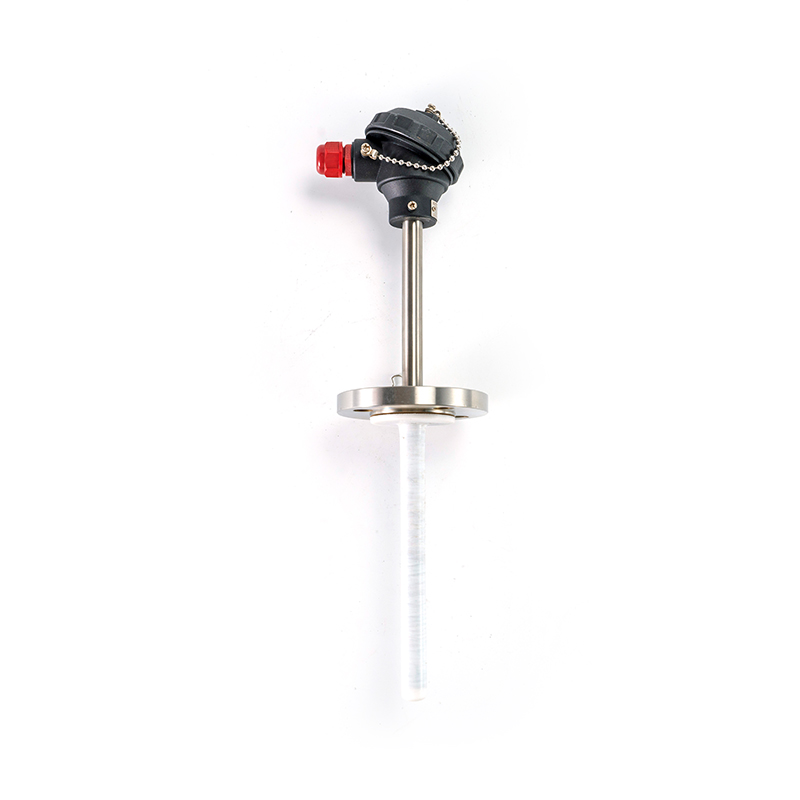
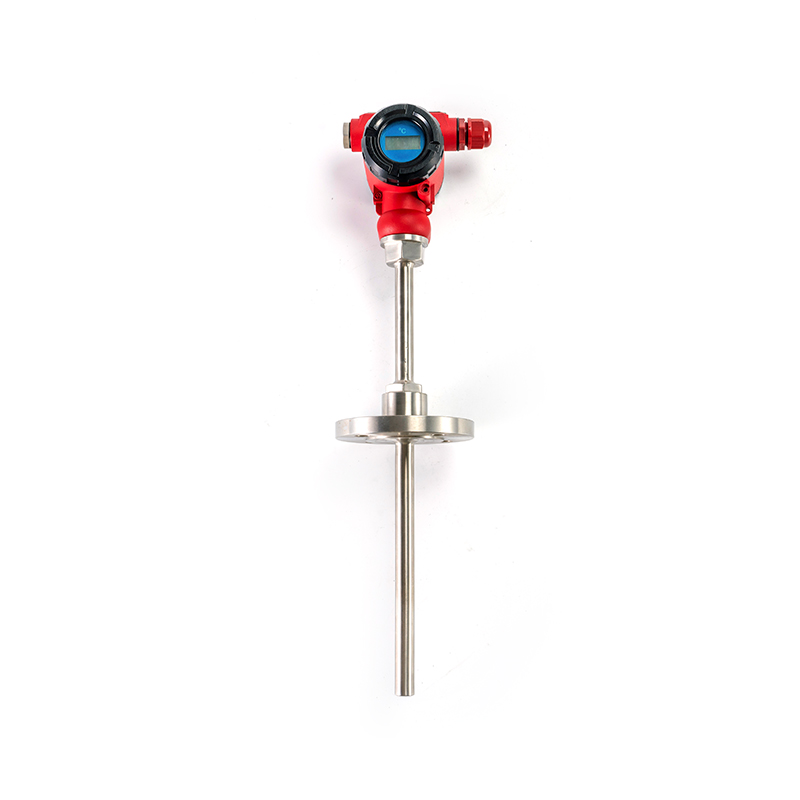
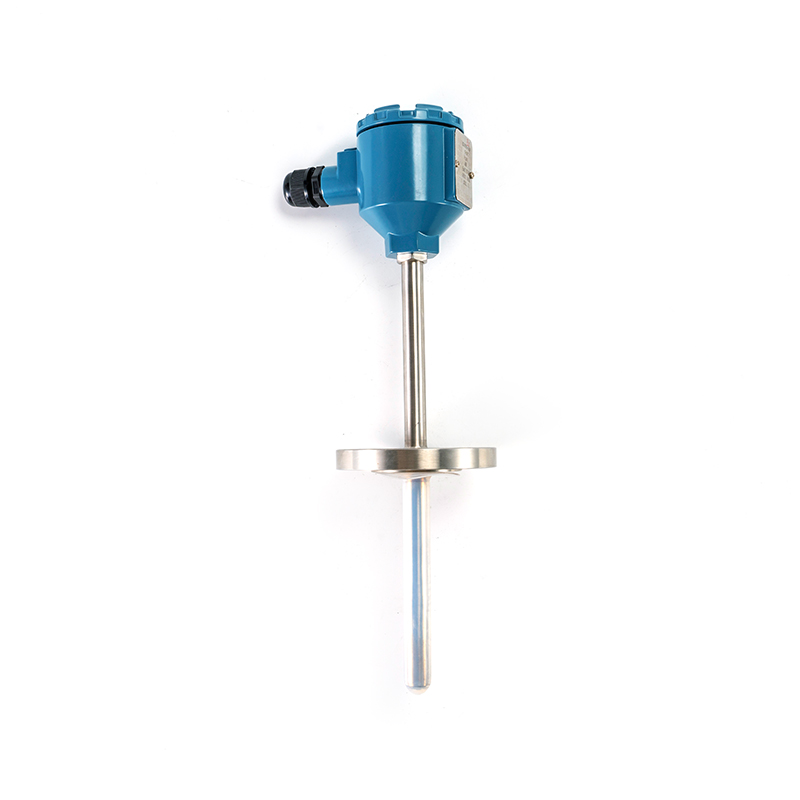
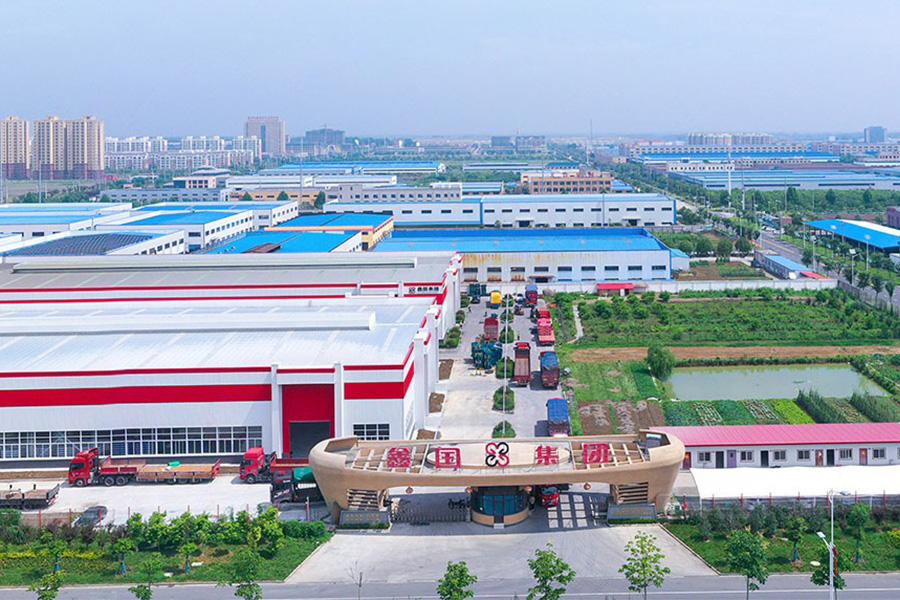
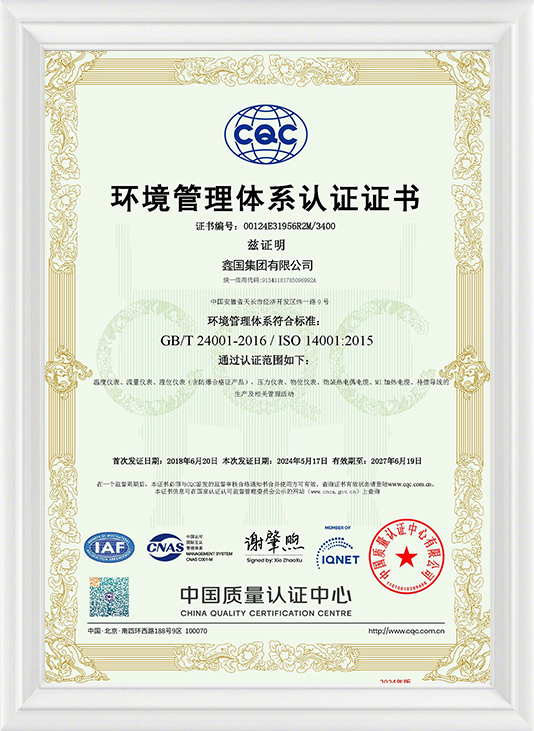
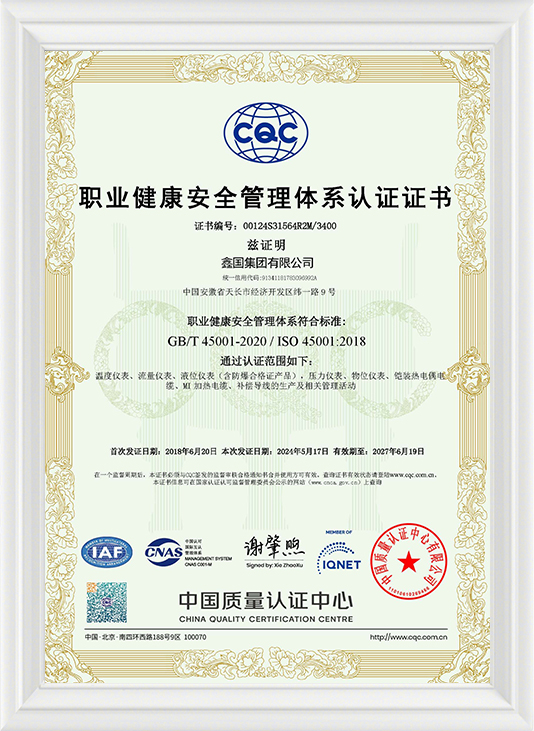
Xinguo Group Co., Ltd. is a high-tech enterprise with subsidiaries including Anhui Xinguo Instrument Co., Ltd., Anhui Xinguo Alloy Co., Ltd., Anhui Xinguo Cable Co., Ltd. and Anhui Xinguo Precious Metals Co., Ltd. Founded in 1997, the Group is located in Tianchang City, Anhui Province — a National Civilized City. It has a registered capital of 118 million RMB, covers a land area of over 150 mu and a building area of 60,000 square meters. The company currently has more than 300 employees, among whom over 50 are professional and technical personnel including senior engineers, engineers and assistant engineers.
The Group is a China
Custom Abrasion-resistant RTD Manufacturer and
Industrial RTD Supplier, mainly engages in the R&D, production and sales of temperature instruments, pressure instruments, level instruments, flow instruments and digital display instruments. Its product portfolio also encompasses power cables, control cables, compensation cables, computer cables, signal cables, MI heating cables, mineral insulated cables, electric heat tracing tapes, cable trays and accessories, high and low voltage distribution equipment, complete automation control systems, instrument valves, pipeline valves and fittings, glass instruments and laboratory equipment. We also supply platinum-rhodium wires, precision alloys and complete mechanical equipment, while providing supporting processing, manufacturing, sales and technical services. Additionally, we deal in professional instrument materials, alloy materials and precious metals. Our products are widely applied in power, petroleum, chemical, metallurgy, building materials, machinery, food, aerospace, new energy and other industrial sectors, as well as scientific research and education fields.
Anhui Xinguo Alloy Co., Ltd. is dedicated to manufacturing a full range of precision alloy materials and serves as a council member of the Instrument Materials Branch of China Instrument & Control Society. Its flagship products cover thermocouple alloy wires (K, N, E, J, T types), thermocouple compensation alloy wires (KX, EX, NX, JX, TX, KCA, KCB, NC, SC), high-resistance heating alloys, precision resistance alloys, heating resistance alloys, pure nickel wires, manganese-copper alloys and Monel alloys. These products are extensively used in aviation, petroleum, chemical engineering, machinery manufacturing, power and energy industries.

 INQUIRY
 English
 عربى
عربى русский
 中文简体
中文简体